

Introduction to Graphite Lump Conveying Systems and the Advantages of Air-Pneumatic Conveying for Gr
Graphite, a crucial industrial material widely used in refractory, battery, and other high-tech industries, often comes in the form of graphite lumps or irregular fragments. The efficient and safe transportation of these graphite lumps is essential for industrial production processes. This article introduces the graphite lump conveying system and highlights the key advantages of air-pneumatic conveying technology for handling graphite lumps, presented by Shandong HeadPowder Engineering Co., Ltd., a leading manufacturer of specialized material handling solutions.
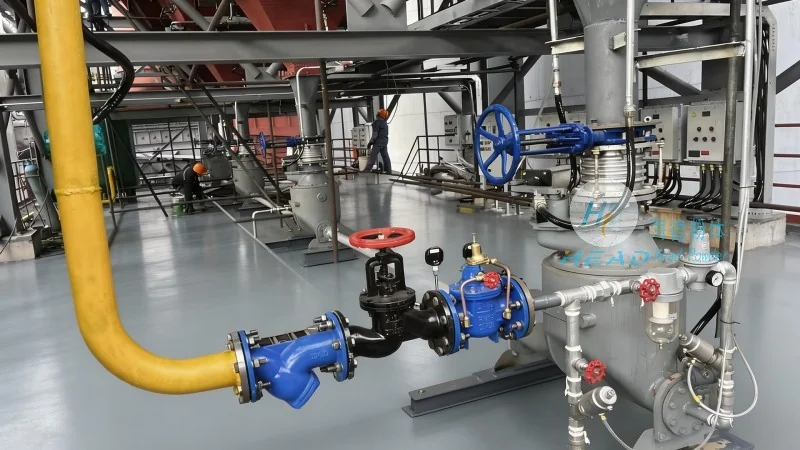
Understanding Graphite Lump Conveying Systems
Graphite lump conveying systems are engineered to transport graphite lumps from storage areas to processing or production lines. These systems typically consist of components such as feeders, pipelines, air blowers, and dust collectors. The primary goal is to ensure that graphite lumps are moved with minimal damage, low dust generation, and high efficiency. The design of these systems must consider the physical properties of graphite lumps, including their density, particle size distribution, and abrasiveness, to optimize performance.
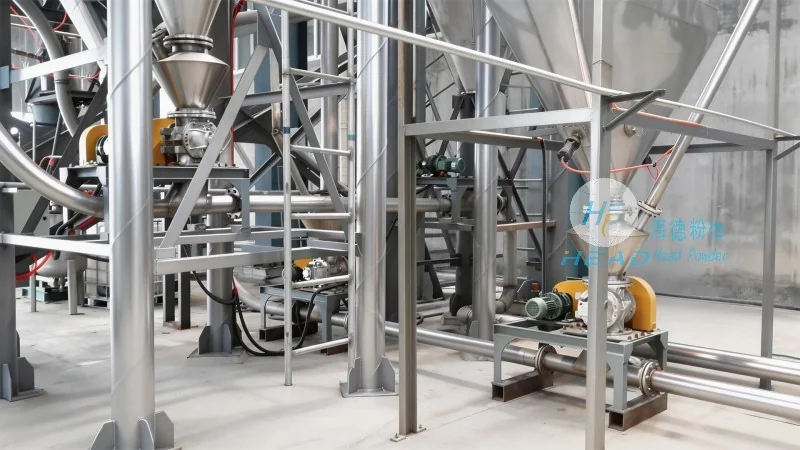
The Advantages of Air-Pneumatic Conveying for Graphite Lumps
Among various conveying methods, air-pneumatic conveying stands out as a superior solution for graphite lump transportation. This technology uses compressed air to move graphite lumps through a closed pipeline system. The key advantages of air-pneumatic conveying for graphite lumps include:
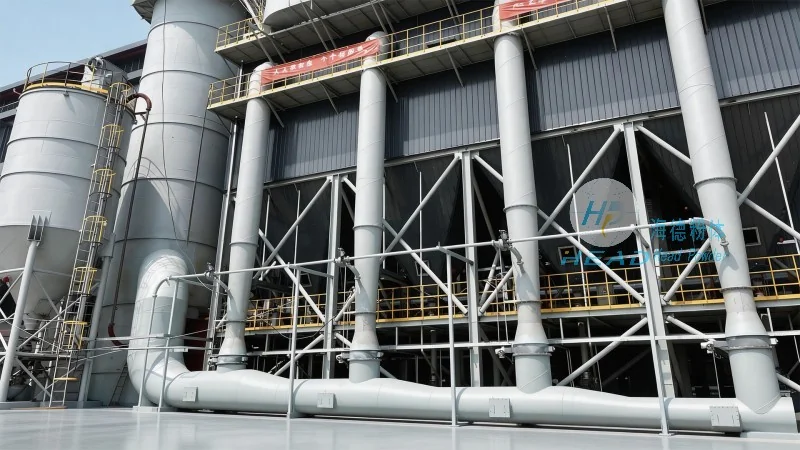
- Low Dust Generation: Unlike mechanical conveying methods that can cause significant dust and particle breakdown, air-pneumatic systems minimize dust exposure by keeping the material within a sealed pipeline. This reduces health hazards for workers and prevents contamination of the graphite product.
- Reduced Material Damage: The gentle handling of graphite lumps in air-pneumatic systems prevents breakage or crushing, which is critical for maintaining the quality of graphite products. This is particularly important for high-purity graphite used in battery anodes or refractory applications.
- Efficient and Flexible Layout: Air-pneumatic conveying systems offer high flexibility in terms of layout design. They can handle complex routes, including vertical and horizontal changes, with minimal equipment. This allows for customized solutions that fit the specific spatial constraints of industrial facilities.
- Energy Efficiency: Modern air-pneumatic conveying systems are designed to be energy-efficient. By optimizing air flow and pressure, these systems reduce energy consumption compared to traditional methods, leading to lower operational costs.
- Hygienic and Clean Operation: The sealed pipeline design of air-pneumatic systems ensures that the conveying process is clean and hygienic. This is beneficial for industries where product purity is paramount, such as battery manufacturing or pharmaceuticals.
Key Components of a Graphite Lump Air-Pneumatic Conveying System
A typical graphite lump air-pneumatic conveying system includes several essential components that work together to ensure smooth operation. These components are:
- Feeder: The feeder is responsible for feeding graphite lumps into the conveying pipeline. It can be a rotary valve, a screw feeder, or a vibratory feeder, depending on the material characteristics and required flow rate. The feeder must handle the irregular shape and varying size of graphite lumps without clogging or damaging the material.
- Air Blower: The air blower provides the necessary compressed air to move the graphite lumps through the pipeline. High-pressure blowers are used to ensure sufficient air velocity to overcome resistance and maintain material flow. The blower's capacity and pressure are matched to the system's design to achieve optimal conveying efficiency.
- Pipeline System: The pipeline is the core of the air-pneumatic conveying system. It is typically made of corrosion-resistant materials such as stainless steel or polyethylene to withstand the abrasive nature of graphite lumps and prevent material buildup. The pipeline design includes bends, elbows, and straight sections to accommodate the required layout and ensure smooth material flow.
- Dust Collector: The dust collector is an integral part of the system, designed to capture any airborne dust generated during the conveying process. It uses filtration systems to separate dust from the air, ensuring that the exhaust air is clean and meets environmental regulations. The collected dust can be returned to the system or disposed of as waste, depending on the application.
- Control System: The control system manages the operation of the entire conveying process. It monitors parameters such as air pressure, flow rate, and material level, and adjusts the system settings as needed to maintain optimal performance. Modern control systems use sensors and automation to enhance efficiency and reduce human intervention.
Applications of Graphite Lump Conveying Systems
Graphite lump conveying systems are widely used in various industries where graphite lumps need to be transported efficiently and safely. Some common applications include:
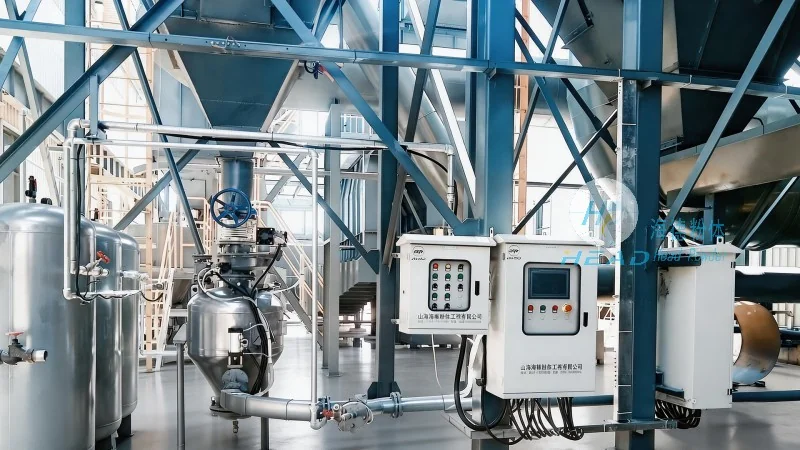
- Refractory Industry: In the production of refractory materials, graphite lumps are used as a raw material. Air-pneumatic conveying systems are used to transport graphite lumps from storage to mixing and molding equipment, ensuring consistent material quality and reducing downtime.
- Battery Manufacturing: High-purity graphite is a critical component in lithium-ion battery anodes. The air-pneumatic conveying system ensures that the graphite lumps are handled with minimal contamination and damage, maintaining the battery's performance and lifespan.
- Carbon Fiber Production: Graphite lumps are used as a precursor in the production of carbon fibers. The conveying system transports the graphite lumps to the carbonization and graphitization stages, where they are converted into high-performance carbon fibers.
- Chemical Processing: In chemical plants that use graphite as a catalyst or additive, air-pneumatic conveying systems ensure the safe and efficient transport of graphite lumps, minimizing the risk of accidents and ensuring consistent product quality.
Conclusion
Graphite lump conveying systems, particularly those utilizing air-pneumatic technology, offer significant advantages in terms of efficiency, safety, and material handling. By minimizing dust generation, reducing material damage, and providing flexible layout options, these systems enhance the overall productivity and quality of industrial processes. For companies dealing with graphite lumps, investing in a well-designed air-pneumatic conveying system is a strategic decision that can lead to long-term operational benefits. Shandong HeadPowder Engineering Co., Ltd. specializes in providing customized air-pneumatic conveying solutions tailored to the unique needs of graphite processing industries, ensuring reliable and efficient material transport from storage to production lines.