

Introduction to Seaweed Residue Pellet Conveying Systems: Advantages and Features of Seaweed Pellet
Seaweed residue, a byproduct of various marine processing operations, presents unique challenges in handling and transportation. The development of efficient conveying systems is crucial for optimizing the utilization of this material. This article introduces a specialized seaweed residue pellet conveying system, highlighting its design, operational advantages, and key features that address the specific demands of the industry.
Advantages of Pneumatic Conveying for Seaweed Pellets
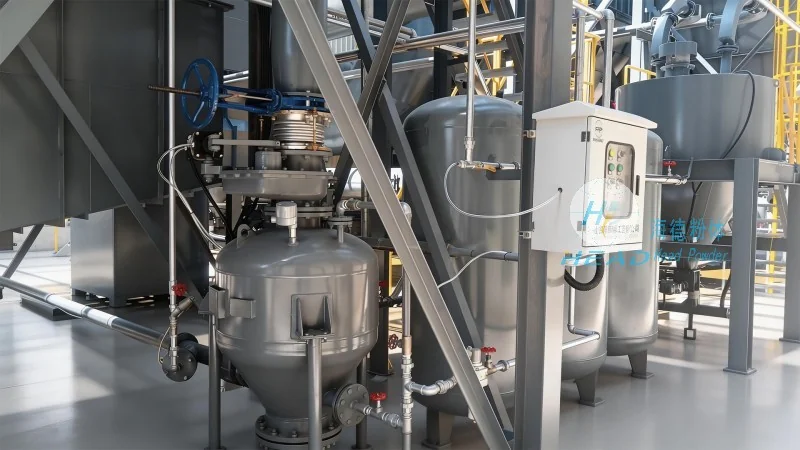
Pneumatic conveying of seaweed pellets offers several distinct advantages over traditional methods. The primary benefit is the ability to transport materials in a closed system, minimizing dust exposure and environmental contamination. This not only enhances workplace safety but also complies with stringent environmental regulations. Additionally, the system's flexibility allows for integration with existing processing lines, reducing the need for extensive infrastructure modifications.
Key Features of the Conveying System
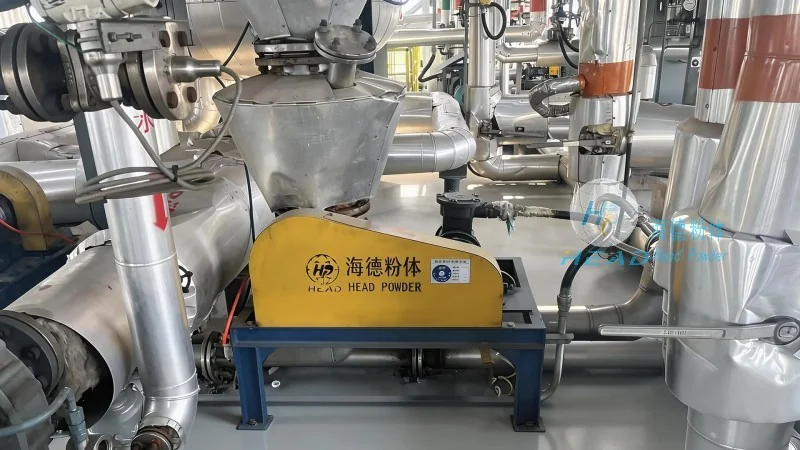
The conveying system incorporates advanced components, including high-efficiency airlocks, adjustable velocity control valves, and robust material handling ducts. These features ensure consistent flow rates and prevent material degradation during transport. The design also prioritizes energy efficiency, with optimized air pressure and flow management that reduces operational costs over time.
Technical Specifications and Operational Benefits
From a technical standpoint, the system operates at pressures suitable for handling fine to medium-sized pellets, with capacities tailored to match production volumes. The use of stainless steel and corrosion-resistant materials ensures longevity, even in harsh marine environments. Operational benefits include reduced labor costs due to automated feeding and conveying processes, as well as improved product quality by minimizing exposure to external elements.
Application Scenarios and Industry Impact
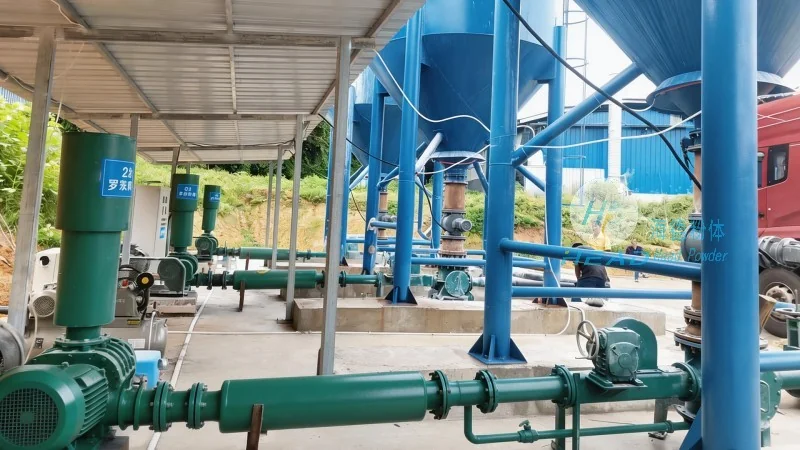
These conveying systems are particularly valuable in seaweed processing plants, where the efficient removal of residue is critical for maintaining production efficiency. By streamlining the material handling process, the system enables manufacturers to enhance overall productivity and reduce downtime. The technology also supports sustainable practices, as it facilitates the reuse of seaweed residue in other applications, such as biofuel production or fertilizer manufacturing.