

Introduction to Lithium-Ion Battery Anode Material Handling Systems and the Advantages of Pneumatic
HeadPowder, a leading engineering solutions provider based in Shandong, China, specializes in the design, manufacturing, and integration of advanced material handling systems tailored for the lithium-ion battery industry. With a focus on precision and efficiency, the company delivers customized solutions that meet the stringent requirements of modern battery production lines.
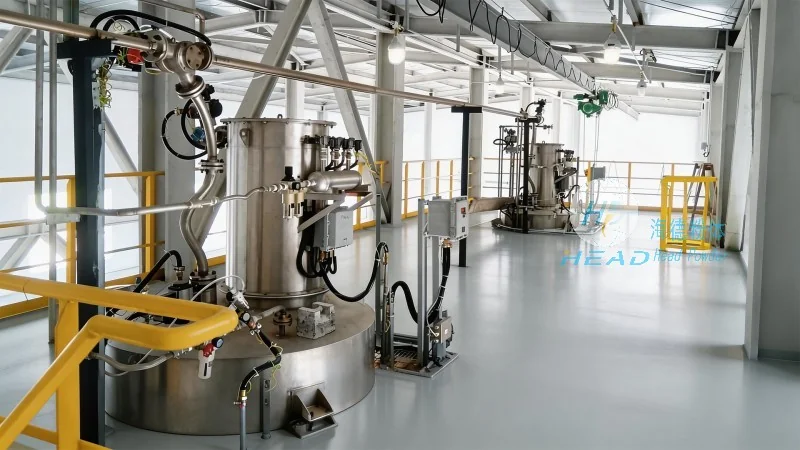
Introduction to Lithium-Ion Battery Anode Material Handling Systems
Lithium-ion battery anode material handling systems are critical components in the production process of lithium-ion batteries. These systems are responsible for the safe and efficient transport of anode powders, which are typically composed of graphite, silicon, or other composite materials. The handling process involves several key stages, including material storage, feeding, conveying, and distribution. A well-designed system ensures minimal material loss, consistent particle size distribution, and optimal flow characteristics, all of which are essential for maintaining the quality and performance of the final battery cells.
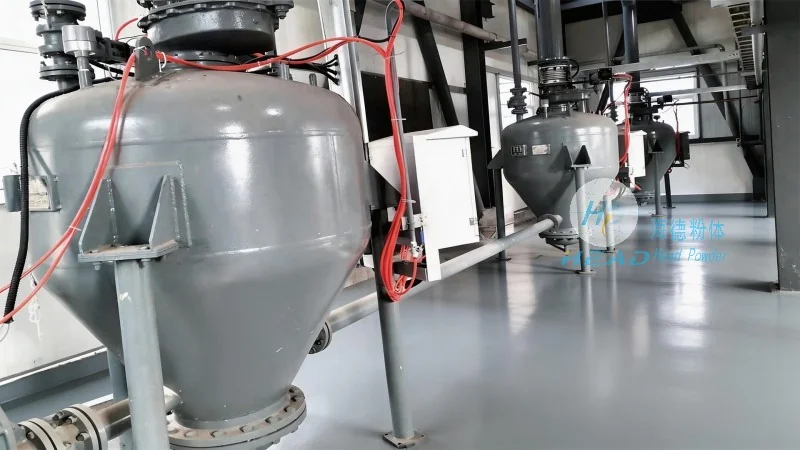
Advantages and Features of Pneumatic Conveying for Lithium-Ion Battery Anode Materials
Pneumatic conveying has emerged as a preferred method for transporting lithium-ion battery anode materials due to its numerous advantages over traditional mechanical conveying systems. One of the primary benefits is the ability to handle fine powders and composite materials without the need for additional equipment like hoppers or chutes. This reduces the risk of material degradation and contamination, which are common issues with mechanical systems. Additionally, pneumatic conveying offers high throughput rates, allowing for increased production efficiency and reduced downtime. The system's flexibility in terms of layout and integration with existing production lines is another key advantage, as it can be easily adapted to accommodate changes in production volume or material types.
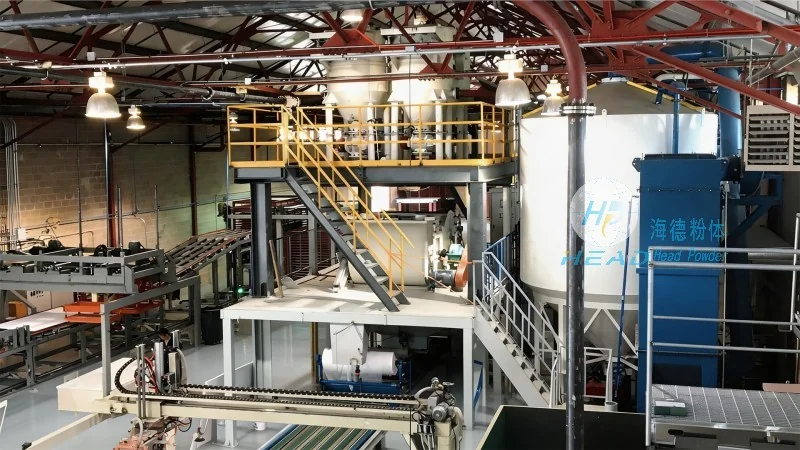
Key Design Considerations for Efficient Anode Material Handling
The design of a lithium-ion battery anode material handling system, particularly when using pneumatic conveying, requires careful consideration of several factors. First, the material's physical properties, such as particle size, density, and moisture content, must be analyzed to determine the most suitable conveying method and equipment. For example, fine graphite powders may require a low-pressure, dense-phase conveying system to prevent particle segregation and blockages. Second, the system's capacity and flow rate must be matched to the production line's requirements to avoid bottlenecks or overloading. Third, the system's integration with other production equipment, such as mixers, extruders, and cell formers, is crucial for maintaining a smooth and continuous production process. HeadPowder's engineering team employs advanced simulation tools and material testing to ensure that the designed system meets all these requirements and operates reliably under various operating conditions.
Enhancing Production Efficiency and Product Quality
By implementing a well-designed pneumatic conveying system for lithium-ion battery anode materials, manufacturers can achieve significant improvements in both production efficiency and product quality. The reduction in material loss and contamination leads to higher yield rates and lower material costs. The consistent flow and particle size distribution ensure that the anode materials are uniformly mixed and processed, resulting in more stable battery performance and longer cycle life. Furthermore, the system's ability to handle high volumes of material at a controlled rate minimizes the risk of equipment wear and tear, extending the lifespan of the production line. HeadPowder's clients have reported up to 20% increase in production throughput and a 15% reduction in material waste after adopting their customized anode material handling solutions.
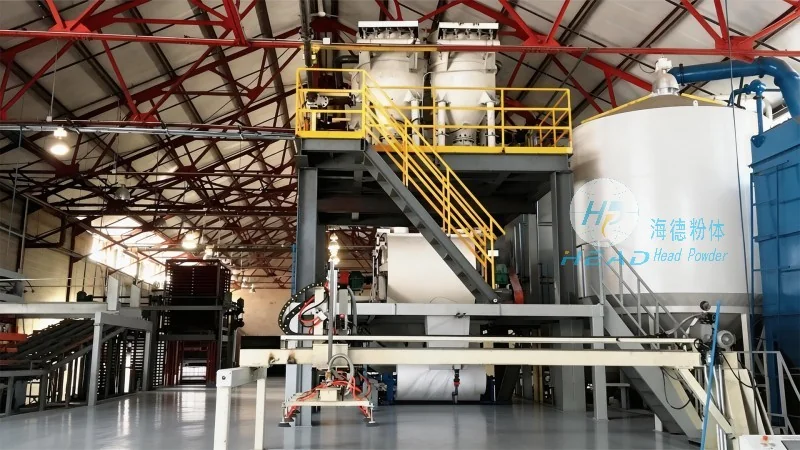
Technical Support and Maintenance Services
HeadPowder provides comprehensive technical support and maintenance services to ensure the long-term performance and reliability of their anode material handling systems. The company's engineering team offers on-site consultations and system audits to identify potential issues and optimize system performance. Regular maintenance programs are tailored to the specific requirements of each system, including filter cleaning, component replacement, and performance monitoring. By maintaining the system in optimal condition, manufacturers can minimize downtime and maximize the return on their investment. HeadPowder's commitment to quality and customer satisfaction is reflected in their comprehensive after-sales support, which includes training for operators and technical staff on system operation and troubleshooting.