

Principles and Classification Applications of Grain Pneumatic Conveying Systems
Grain pneumatic conveying systems have become a cornerstone in modern agricultural and food processing industries, offering efficient and reliable methods for transporting bulk materials like grains, seeds, and powders. Understanding the underlying principles and various classification applications of these systems is crucial for optimizing operational efficiency and ensuring product integrity. This article delves into the working mechanisms, classification types, and practical applications of grain pneumatic conveying, with a focus on the expertise and solutions provided by Shandong HeadPowder Engineering Co., Ltd., a leading manufacturer in the field.
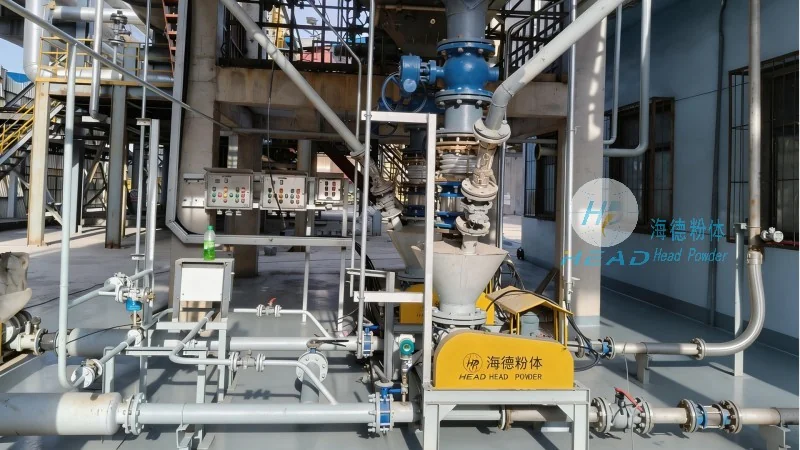
Working Principles of Grain Pneumatic Conveying Systems
At its core, grain pneumatic conveying operates by utilizing air as the medium to transport solid materials. The system typically consists of a hopper, a conveyor line, and a discharge point. The process begins with the material being fed into the hopper, where it is then drawn or pushed by a fan or blower into the conveying line. The air, under pressure or suction, moves the grain particles through the pipeline, ensuring a continuous flow. The key to effective pneumatic conveying lies in maintaining the correct air-to-material ratio, which balances the velocity of the air with the density and size of the grains to prevent blockages and ensure smooth transport.
Classification of Grain Pneumatic Conveying Systems
Grain pneumatic conveying systems are broadly classified into three main categories based on the direction of air flow and the method of material transport: suction, pressure, and mixed systems. Each type has distinct characteristics and is suited for different operational requirements.
Suction Conveying Systems
Suction systems, also known as negative pressure or vacuum systems, operate by creating a vacuum in the conveying line. This vacuum draws the material from the source, such as a storage bin or silo, into the pipeline. Suction conveyors are ideal for applications where the material needs to be transported from a higher elevation to a lower one, or where the source is located at a distance from the destination. They are commonly used in grain handling facilities for tasks like transferring grain from silos to processing plants or for loading trucks. The primary advantage of suction systems is their ability to handle materials with high moisture content or those that are prone to dust generation, as the vacuum helps to control dust and maintain material quality.
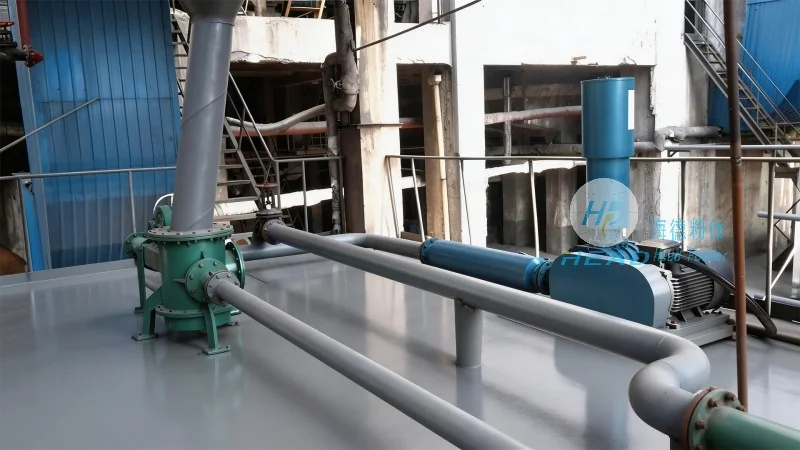
Pressure Conveying Systems
Pressure systems, or positive pressure systems, work by forcing air and material through the conveying line using a positive pressure fan or blower. Unlike suction systems, pressure conveyors push the material from the source towards the discharge point, making them suitable for transporting materials from a lower elevation to a higher one or over longer distances. These systems are often used in industrial settings where high throughput is required, such as in large-scale grain processing plants or for bulk material handling in food manufacturing facilities. Pressure conveyors are known for their high efficiency and ability to handle a wide range of grain types, including those with high oil content or delicate structures.
Mixed Conveying Systems
Mixed systems combine elements of both suction and pressure conveyors, offering flexibility in material handling. These systems can operate in either suction or pressure mode depending on the operational needs, allowing for versatile applications. For instance, a mixed system might use suction to draw material from a storage bin and then switch to pressure to transport it to a processing unit. This adaptability makes mixed systems suitable for complex grain handling operations where multiple sources and destinations are involved. Shandong HeadPowder Engineering Co., Ltd. specializes in designing and manufacturing mixed conveying systems that cater to the diverse needs of modern agricultural and food processing industries.
Applications of Grain Pneumatic Conveying Systems
The versatility of grain pneumatic conveying systems makes them applicable across various sectors of the agricultural and food industry. In grain storage facilities, these systems are used for transferring grain from storage silos to processing units, ensuring a continuous supply of raw materials. In food processing plants, they facilitate the movement of grains for milling, grinding, or blending operations, maintaining product quality and consistency. Additionally, pneumatic conveyors are employed in the packaging and distribution stages, where they help in loading trucks or containers with bulk grains. The ability to handle different grain types, including wheat, corn, rice, and soybeans, makes these systems indispensable in global food supply chains.
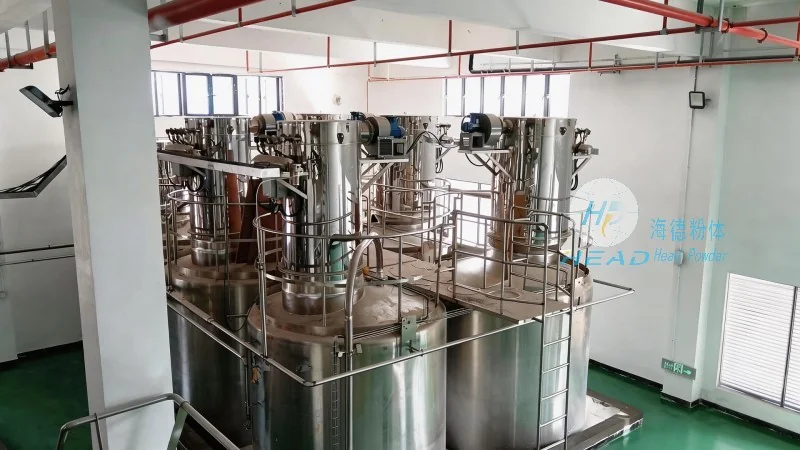
Advantages of Grain Pneumatic Conveying
Compared to traditional mechanical conveyors, grain pneumatic conveying systems offer several advantages that enhance operational efficiency and product quality. One of the key benefits is the reduced risk of material contamination, as the system is enclosed, preventing exposure to external elements or contaminants. This is particularly important for food-grade grains, where hygiene is a critical factor. Additionally, pneumatic conveyors can handle materials with varying moisture content and particle sizes, making them suitable for a wide range of grain types. The systems also provide flexibility in layout, as they can be installed in various configurations to suit the specific needs of a facility. Furthermore, the use of air as the conveying medium eliminates the need for physical contact between the material and the conveyor, reducing wear and tear on equipment and extending its lifespan.
Role of Shandong HeadPowder Engineering Co., Ltd. in Grain Pneumatic Conveying
Shandong HeadPowder Engineering Co., Ltd., commonly known as HeadPowder, is a leading manufacturer specializing in the design, development, and production of grain pneumatic conveying systems. With a strong presence in China, particularly in Shandong province, the company has established itself as a trusted provider of high-quality conveying solutions for the agricultural and food processing industries. HeadPowder's expertise lies in understanding the unique requirements of grain handling operations and tailoring systems that meet these needs. The company employs advanced engineering techniques and materials to ensure that its conveying systems are durable, efficient, and reliable. By leveraging its experience and innovation, HeadPowder has become a key player in the global market for grain pneumatic conveying equipment.
Conclusion
Grain pneumatic conveying systems play a vital role in modern grain handling and processing, offering efficient, hygienic, and flexible solutions for transporting bulk materials. The classification of these systems—suction, pressure, and mixed—enables their application in diverse operational scenarios, from small-scale farms to large industrial facilities. As the demand for efficient grain handling increases, the importance of understanding the principles and applications of pneumatic conveying systems becomes more pronounced. Companies like Shandong HeadPowder Engineering Co., Ltd. continue to advance the technology, providing tailored solutions that enhance productivity and ensure the quality of grain products. With their expertise and commitment to innovation, HeadPowder remains at the forefront of grain pneumatic conveying, contributing to the efficiency and sustainability of the global agricultural and food industries.