

Principles and Classification Applications of Paddy Husk Pneumatic Conveying
HeadPowder, a leading engineering firm based in Shandong, China, specializes in the design and implementation of pneumatic conveying systems for agricultural byproducts such as paddy husk. This article provides an in-depth exploration of the fundamental principles behind paddy husk pneumatic conveying, along with a detailed classification of its applications across various industries.
Introduction to Paddy Husk Pneumatic Conveying
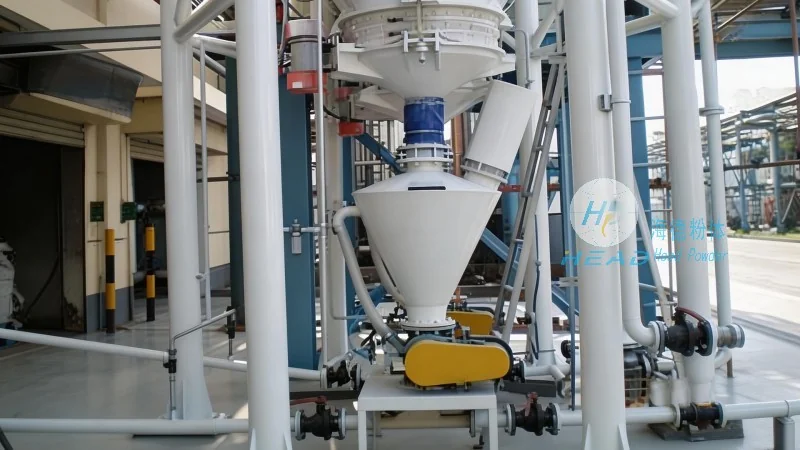
Paddy husk, a natural byproduct of rice processing, is widely used as a raw material in the production of biofuels, animal feed, and other value-added products. Efficient and reliable material handling is crucial for optimizing the processing workflow. Pneumatic conveying offers a solution by utilizing air to transport paddy husk through a closed system, eliminating the need for mechanical components like belts or buckets. This method not only enhances operational efficiency but also reduces maintenance costs and improves workplace safety.
Core Principles of Pneumatic Conveying
The fundamental principle of pneumatic conveying involves the creation of a pressure differential within a pipeline system. Air is introduced into the conveying line, either by suction (creating a negative pressure) or by pressure (creating a positive pressure), which then lifts and transports the paddy husk particles. The velocity of the air stream must be sufficient to overcome the gravitational forces acting on the particles, ensuring stable and continuous flow. Key factors influencing the conveying efficiency include air velocity, particle size, density, and the length and diameter of the pipeline.
Classification of Pneumatic Conveying Systems
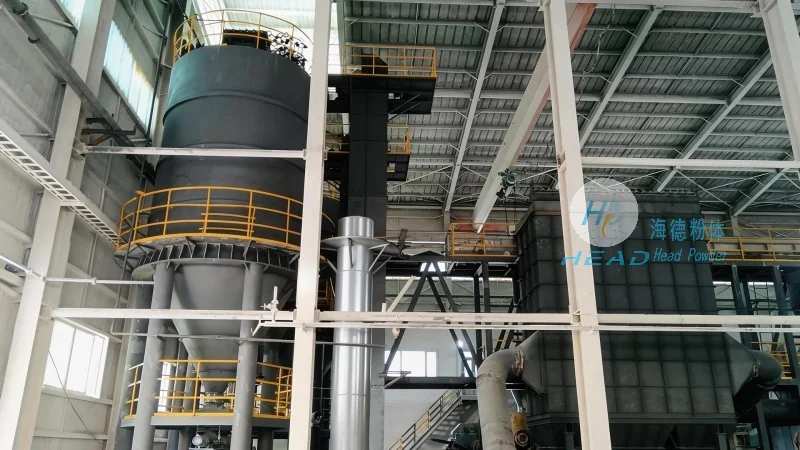
Paddy husk pneumatic conveying systems can be broadly classified into two main categories: suction (or negative pressure) systems and pressure (or positive pressure) systems. Each type has distinct characteristics and is suited for different operational requirements.
Suction Conveying Systems
Suction systems operate by creating a vacuum at the material inlet, drawing paddy husk into the pipeline. These systems are ideal for applications where the material is located at a higher elevation or needs to be collected from multiple sources. They are commonly used in grain storage facilities and processing plants where the material is to be transported from a silo or hopper to a processing unit. The primary advantage of suction systems is their ability to handle large volumes of material over relatively long distances without the need for additional power at the discharge end.
Pressure Conveying Systems
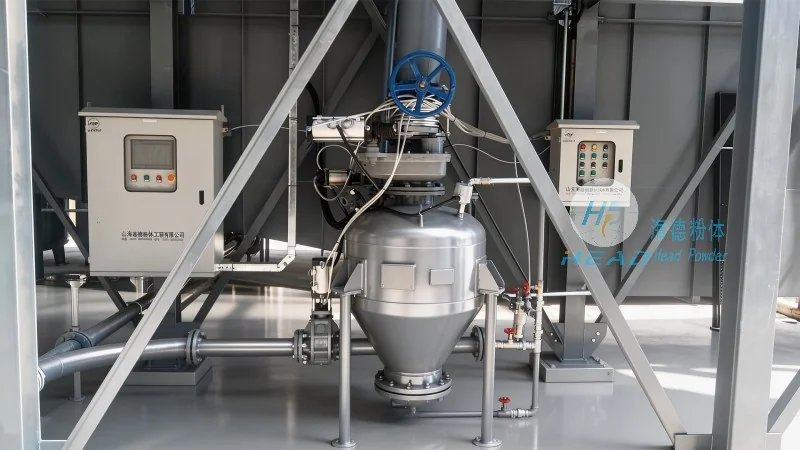
Pressure systems, on the other hand, use compressed air to push the paddy husk through the pipeline. These systems are typically employed when the material needs to be transported to a lower elevation or when the conveying distance is shorter. Pressure systems are often preferred in applications where the material is to be discharged into a storage bin or a processing machine. They offer higher conveying velocities and can handle more abrasive materials, making them suitable for industrial settings where durability is a priority.
Application Scenarios in Paddy Husk Processing
The versatility of pneumatic conveying makes it applicable across various stages of paddy husk processing. In the initial stages, paddy husk is often collected from the field or from storage silos and conveyed to a processing facility. During the processing phase, the husk may be transported to a grinding or milling unit for further refinement. Finally, the processed husk is conveyed to a storage or packaging area for distribution. Each stage requires a specific type of pneumatic system tailored to the material characteristics and operational constraints.
Advantages of Pneumatic Conveying for Paddy Husk
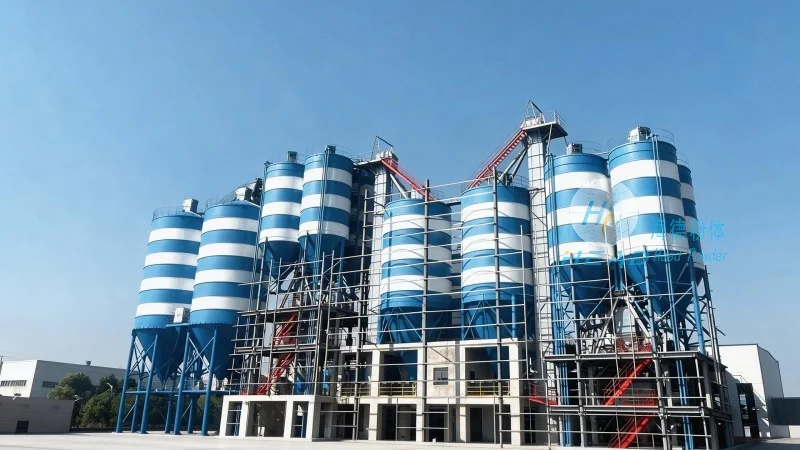
Implementing pneumatic conveying for paddy husk offers several advantages over traditional mechanical methods. Firstly, it eliminates the need for moving parts, reducing the risk of mechanical failure and lowering maintenance requirements. Secondly, the closed system prevents dust and particulate emissions, improving air quality and compliance with environmental regulations. Thirdly, pneumatic systems can handle a wide range of particle sizes and densities, making them adaptable to different processing needs. Finally, the ability to transport material over long distances without intermediate transfer points enhances overall operational efficiency.
Conclusion
HeadPowder Engineering Co., Ltd., with its headquarters in Shandong, China, provides comprehensive solutions for paddy husk pneumatic conveying systems. By understanding the core principles and classifying the appropriate system type, industries can optimize their material handling processes, reduce costs, and improve overall productivity. The application of pneumatic conveying technology in paddy husk processing not only enhances operational efficiency but also contributes to sustainable and environmentally friendly practices in the agricultural sector.