

Principle and Application of Polyester Fiber Pneumatic Conveying
For industries dealing with polyester fibers, efficient material handling is crucial. Pneumatic conveying systems offer a reliable solution, and understanding the working principles and application categories of polyester fiber pneumatic conveying is essential for optimizing operational efficiency. This article provides an in-depth introduction to the principles and classifications of polyester fiber pneumatic conveying, with a focus on practical applications and technical insights.
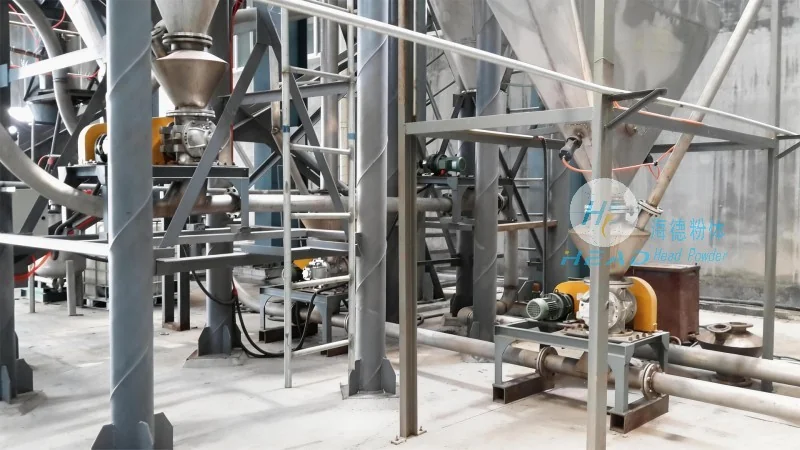
HeadPowder, a leading provider in the field, specializes in engineering solutions for material handling systems. Based in Shandong, China, the company leverages advanced technology and expertise to deliver high-performance pneumatic conveying solutions tailored to the needs of polyester fiber processing industries.
Working Principle of Polyester Fiber Pneumatic Conveying
Pneumatic conveying systems operate by using air pressure to transport materials through a pipeline. In the case of polyester fibers, the process involves several key components and mechanisms. The system typically includes a hopper, a rotary valve, a conveying line, and a receiver. The polyester fibers are fed into the hopper, where they are then discharged into the conveying line via the rotary valve. Compressed air is introduced into the line, creating a flow that lifts and transports the fibers. The air velocity and pressure are carefully controlled to ensure the fibers are conveyed without damage and with minimal loss. The receiver collects the fibers at the end of the line, completing the process. This method eliminates the need for mechanical components like belts or buckets, reducing maintenance and increasing safety.
Classification and Application of Polyester Fiber Pneumatic Conveying
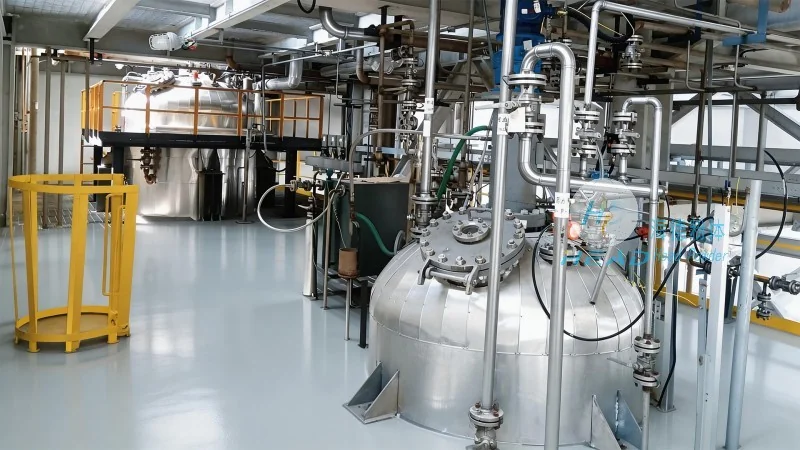
Pneumatic conveying systems for polyester fibers can be classified into several categories based on their operating principles and application scenarios. The primary classifications include pressure, vacuum, and mixed systems. Pressure systems use compressed air to push the material forward, while vacuum systems use suction to draw the material. Mixed systems combine both pressure and vacuum to handle different material characteristics and distances. For polyester fibers, the choice of system depends on factors such as fiber length, density, and the distance to be conveyed. For short-distance and low-volume applications, pressure systems are often preferred due to their simplicity and cost-effectiveness. For longer distances or higher volumes, vacuum systems may be more suitable as they can handle larger quantities with less pressure drop. Mixed systems are ideal for complex layouts that require both pushing and pulling actions to optimize material flow.
Practical Applications in Polyester Fiber Processing
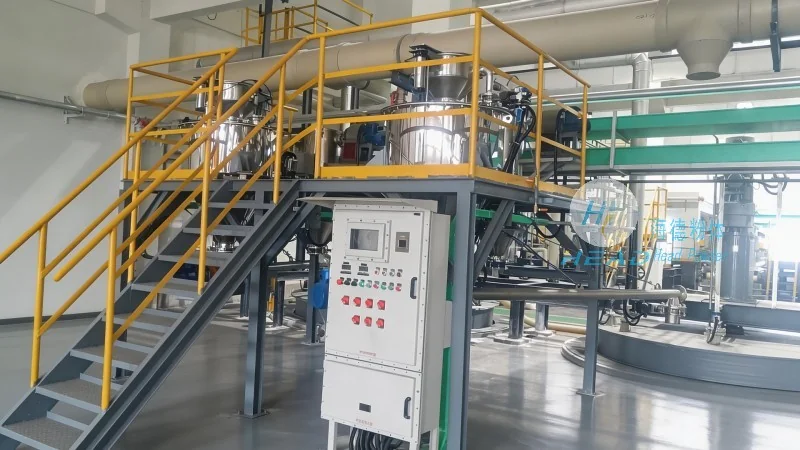
Polyester fibers are widely used in various industries, including textiles, automotive, and construction. In textile manufacturing, pneumatic conveying is used to transport raw polyester fibers from storage to the spinning machines. This ensures a continuous and efficient supply of material, reducing downtime and improving production throughput. In the automotive industry, polyester fibers are used in car interiors and upholstery, and pneumatic conveying systems help in the distribution of these fibers to different production lines. The systems are also used in the chemical industry for handling polyester resin and other related materials, ensuring safe and efficient transport. Each application requires specific system design considerations, such as the fiber's moisture content, static electricity, and potential for dust generation, to maintain system performance and material quality.
Conclusion and Recommendations
Understanding the working principles and classification of polyester fiber pneumatic conveying is vital for selecting the most appropriate system for specific industrial needs. HeadPowder, with its expertise in engineering and material handling, offers customized solutions that address the unique challenges of polyester fiber processing. By leveraging advanced technology and professional design, the company ensures that its pneumatic conveying systems provide reliable, efficient, and cost-effective material transport. For industries looking to optimize their polyester fiber handling processes, partnering with a specialized provider like HeadPowder can lead to significant improvements in productivity and operational efficiency.