

Long - Distance Pneumatic Conveying System for Glucose
HeadPowder, a leading engineering firm based in Shandong, China, specializes in the design and implementation of advanced pneumatic conveying systems tailored for the efficient transportation of bulk materials such as glucose. The company's expertise lies in developing customized solutions that ensure high - efficiency, low - maintenance, and reliable operation over extended distances. This article provides an in - depth look at the technical aspects, benefits, and practical applications of the long - distance pneumatic conveying system specifically designed for glucose handling.
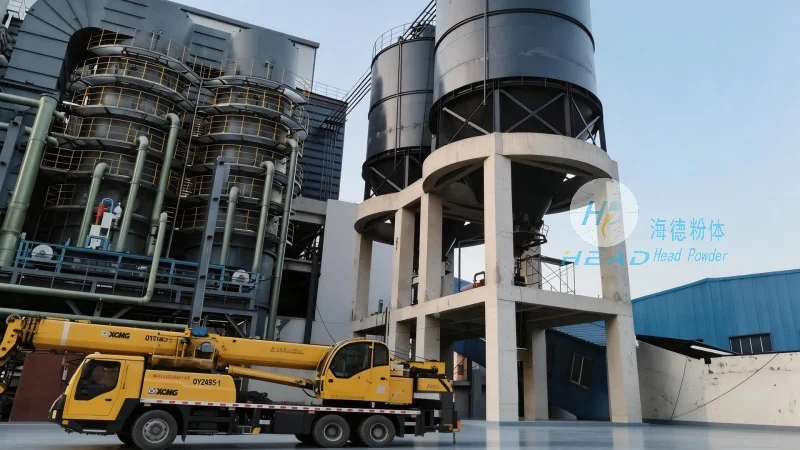
Key Features of the Pneumatic Conveying System
The long - distance pneumatic conveying system for glucose, engineered by Shandong HeadPowder Engineering Co., Ltd., incorporates several cutting - edge features to meet the stringent requirements of modern food processing and pharmaceutical industries. One of the primary advantages is the system's ability to handle glucose in a hygienic and dust - free manner, which is crucial for maintaining product quality and compliance with industry standards. The system utilizes positive pressure or negative pressure conveying methods, depending on the specific application and distance requirements. This flexibility allows for the optimization of energy consumption and operational costs. Additionally, the system is equipped with advanced control systems that enable real - time monitoring and adjustment of conveying parameters, ensuring consistent performance and minimizing downtime.
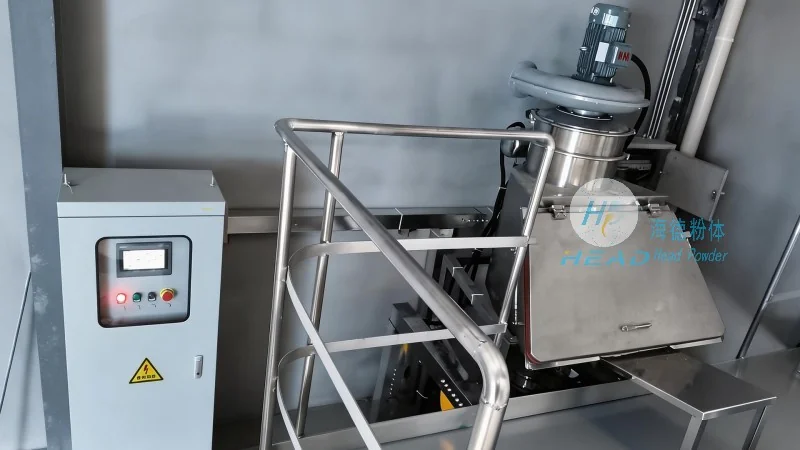
System Components and Design Considerations
The core components of the long - distance pneumatic conveying system include the feeding unit, conveying line, separation and cleaning equipment, and the discharge unit. The feeding unit is designed to handle bulk glucose efficiently, with options such as rotary valves or screw feeders to control the flow rate accurately. The conveying line, typically made of high - quality stainless steel or other corrosion - resistant materials, is engineered to withstand the abrasive nature of glucose and maintain a clean interior. The separation and cleaning equipment, such as cyclones or filters, are crucial for removing any fines or moisture from the conveyed material, preventing system blockages and ensuring the purity of the final product. The discharge unit is designed to deliver the glucose to the target location with minimal loss and contamination. The design process involves careful consideration of factors like the required conveying distance, material flow rate, and the need for dust control, all of which are tailored to the specific needs of the client.
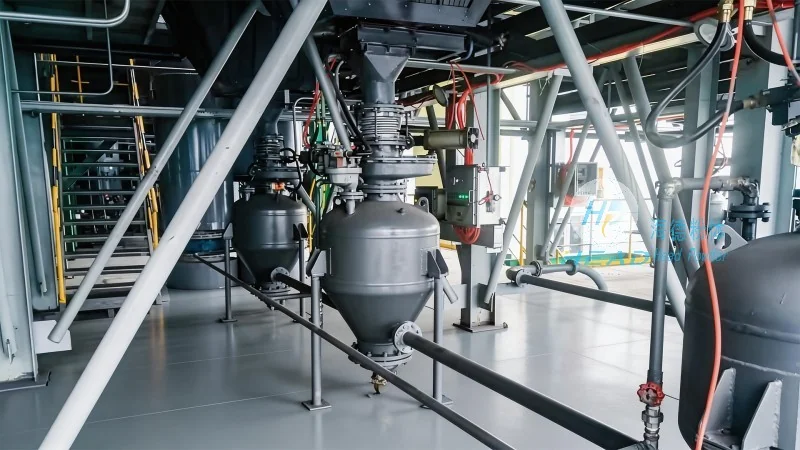
Benefits and Applications
The long - distance pneumatic conveying system for glucose offers numerous benefits to industries that rely on the consistent and efficient handling of bulk glucose. One of the key advantages is the significant reduction in labor costs and manual handling, as the system automates the entire conveying process. This not only improves safety in the workplace but also enhances the overall productivity of the facility. The system's ability to operate in a closed loop, with minimal environmental impact, aligns with the growing emphasis on sustainable industrial practices. Furthermore, the system's reliability and low maintenance requirements result in lower operational costs over the long term. The applications of this system are widespread, including in the food and beverage industry for the transport of glucose from storage to processing lines, in pharmaceutical manufacturing for the handling of glucose as an ingredient, and in chemical processing for the integration of glucose into various production processes.
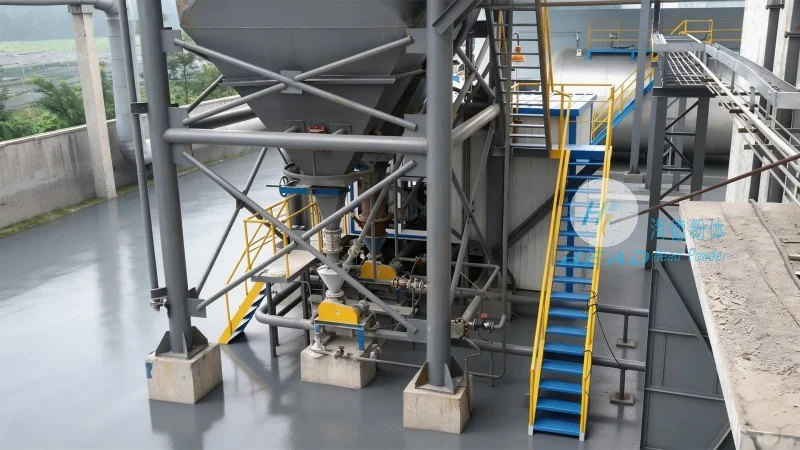
Customization and Integration Services
Shandong HeadPowder Engineering Co., Ltd. provides comprehensive customization and integration services to ensure that the long - distance pneumatic conveying system for glucose is perfectly suited to the client's operational needs. The company's engineering team works closely with clients to understand their specific requirements, including the volume of glucose to be conveyed, the distance between the source and destination, and any special handling requirements such as temperature control or moisture management. Based on this information, the system is designed and manufactured to meet the exact specifications. The integration process involves the installation of the system at the client's facility, followed by thorough testing and commissioning to ensure that it operates as intended. The company also offers post - installation support, including maintenance services and technical assistance, to ensure the long - term performance and reliability of the system.