

How to Prevent Pipeline Blockages in Dry Ash Conveying with Pneumatic Conveying Systems? What Are th
Pneumatic conveying systems have become a cornerstone in the handling of dry ash, offering efficient and reliable transport solutions for industrial applications. However, one of the most significant challenges in such systems is the risk of pipeline blockages, which can lead to operational disruptions and increased maintenance costs. Understanding how to prevent these blockages and the critical design parameters involved is essential for optimizing system performance and ensuring long-term reliability. This article explores the key strategies and design considerations for preventing pipeline blockages in pneumatic conveying systems used for dry ash transport, with a focus on the expertise of Shandong HeadPowder Engineering Co., Ltd.
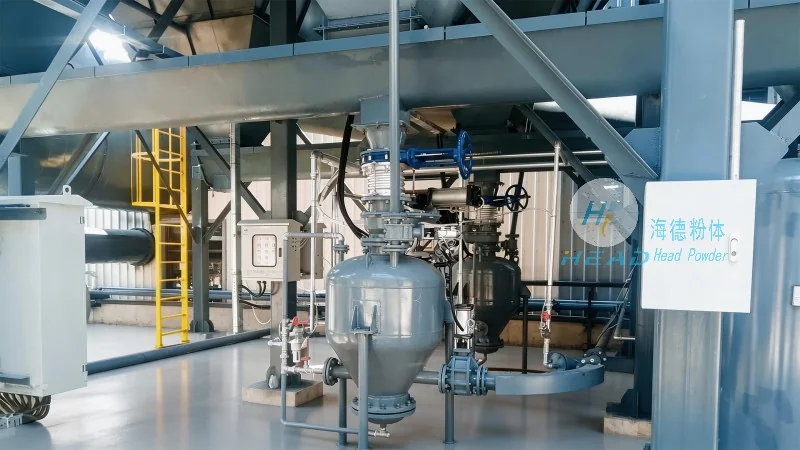
Understanding the Risks of Pipeline Blockages in Dry Ash Conveying
When dry ash is transported through pneumatic systems, several factors can contribute to pipeline blockages. These include the physical properties of the ash, such as particle size, moisture content, and density, as well as operational parameters like air velocity, pressure, and flow rate. Blockages can occur due to the accumulation of fine particles, the formation of agglomerates, or the buildup of material on pipe walls. The consequences of blockages range from reduced system efficiency to complete system shutdown, highlighting the need for proactive measures to mitigate these risks.
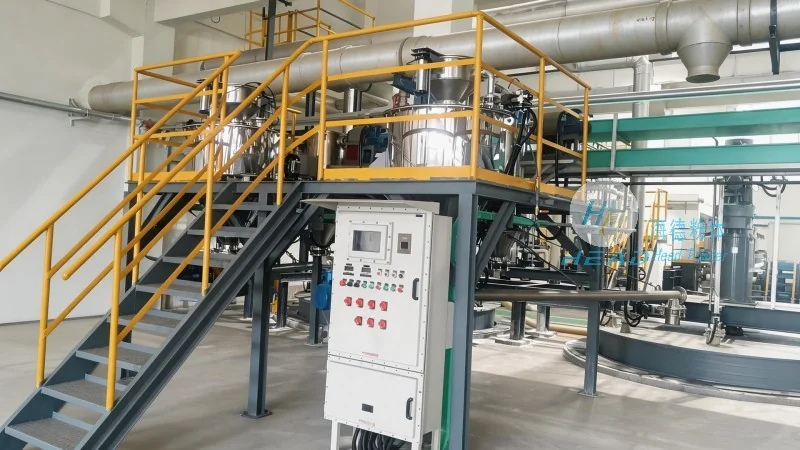
Key Design Parameters for Preventing Pipeline Blockages
Effective design of pneumatic conveying systems for dry ash handling involves several critical parameters that directly impact the prevention of blockages. These parameters are carefully considered by Shandong HeadPowder Engineering Co., Ltd. to ensure optimal system performance and reliability.
- Air Velocity and Flow Rate: Maintaining an appropriate air velocity is crucial to prevent particle deposition and ensure smooth material transport. The flow rate must be sufficient to keep the ash in suspension while avoiding excessive pressure drops that could lead to blockages. Shandong HeadPowder Engineering Co., Ltd. employs advanced computational fluid dynamics (CFD) simulations to determine the optimal air velocity and flow rate for specific ash characteristics and system configurations.
- System Pressure and Pressure Drop: The pressure within the pneumatic system plays a vital role in preventing blockages. Proper pressure management ensures that the air flow is consistent and that the ash particles remain suspended. Excessive pressure drops can cause material to settle and accumulate, leading to blockages. The company’s engineers design systems with precise pressure control mechanisms to maintain stable operation and prevent pressure-related issues.
- Particle Size and Moisture Content: The physical properties of the dry ash, particularly particle size distribution and moisture content, significantly influence the risk of blockages. Coarser particles are generally less prone to agglomeration, while fine particles may require higher air velocities to remain in suspension. Shandong HeadPowder Engineering Co., Ltd. conducts thorough material analysis to understand the ash's characteristics and tailor the system design accordingly, ensuring that the air velocity and pressure are optimized for the specific material.
- Pipe Diameter and Material: The diameter of the conveying pipes and the material from which they are constructed are critical design elements. Larger pipe diameters reduce the risk of blockages by minimizing friction and allowing for better flow of ash particles. Additionally, selecting the right pipe material, such as stainless steel or specialized coatings, can prevent corrosion and material buildup that could lead to blockages. The company’s expertise in material selection ensures that the pipes are durable and compatible with the ash being transported.
- System Configuration and Components: The overall system configuration, including the placement of components like cyclones, filters, and valves, is essential for preventing blockages. Properly designed components help maintain consistent flow and prevent material accumulation. For example, the use of inline mixers or agitators can help break up agglomerates and keep the ash in suspension. Shandong HeadPowder Engineering Co., Ltd. designs custom system configurations that address the specific challenges of dry ash handling, ensuring that all components work in harmony to prevent blockages.
Practical Strategies for Preventing Blockages in Operational Settings
While design parameters are crucial, operational practices also play a significant role in preventing pipeline blockages. Shandong HeadPowder Engineering Co., Ltd. emphasizes the importance of regular maintenance and monitoring to ensure system longevity and performance. This includes routine cleaning of pipes and components, checking for signs of wear or corrosion, and adjusting system parameters as needed based on real-time performance data. Additionally, implementing automated control systems can help maintain optimal operating conditions, reducing the risk of human error and blockages.
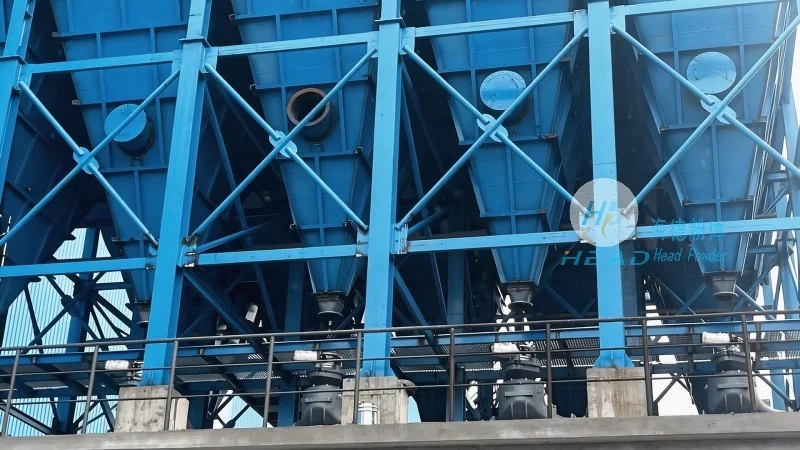
Conclusion: Optimizing Dry Ash Conveying with Expert Design
Preventing pipeline blockages in pneumatic conveying systems for dry ash transport requires a comprehensive approach that integrates careful design and operational management. Shandong HeadPowder Engineering Co., Ltd. combines advanced engineering principles with practical experience to develop systems that are both efficient and reliable. By focusing on key design parameters such as air velocity, pressure, particle characteristics, and system configuration, the company ensures that its pneumatic conveying solutions effectively prevent blockages and deliver consistent performance. For industrial facilities dealing with dry ash, partnering with a specialized engineering firm like Shandong HeadPowder Engineering Co., Ltd. is essential to mitigate the risks of blockages and optimize the overall conveying process.