

How to Prevent Pipeline Blockages in Urea Conveying with Pneumatic Conveying Systems? Key Design Par
Urea, a critical fertilizer and industrial chemical, often requires efficient and reliable transportation from production facilities to end-users. Pneumatic conveying systems have emerged as a preferred method for handling urea due to their ability to transport bulk materials over long distances with minimal environmental impact. However, a common challenge in urea conveyance is the risk of pipeline blockages, which can lead to operational disruptions and increased maintenance costs. Understanding how to prevent these blockages and the key design parameters that influence system performance is essential for optimizing urea transportation processes.
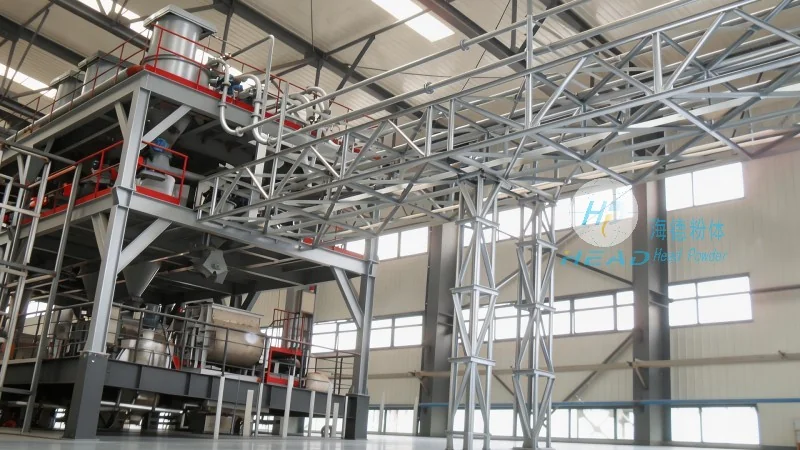
Understanding the Risks of Pipeline Blockages in Urea Conveying
Urea particles, with their specific physical and chemical properties, can exhibit tendencies to agglomerate or stick to pipe walls under certain conditions. Factors such as moisture content, temperature fluctuations, and the presence of impurities can exacerbate this risk. When blockages occur, they can cause pressure surges, equipment damage, and delays in production schedules. Therefore, implementing effective preventive measures is paramount to maintaining smooth operations in urea handling facilities.
Key Design Parameters for Preventing Blockages in Pneumatic Conveying Systems
Several critical design parameters must be carefully considered when designing a pneumatic conveying system for urea to minimize the risk of blockages. These parameters directly impact the system's ability to maintain consistent flow and prevent material buildup. The primary factors include:
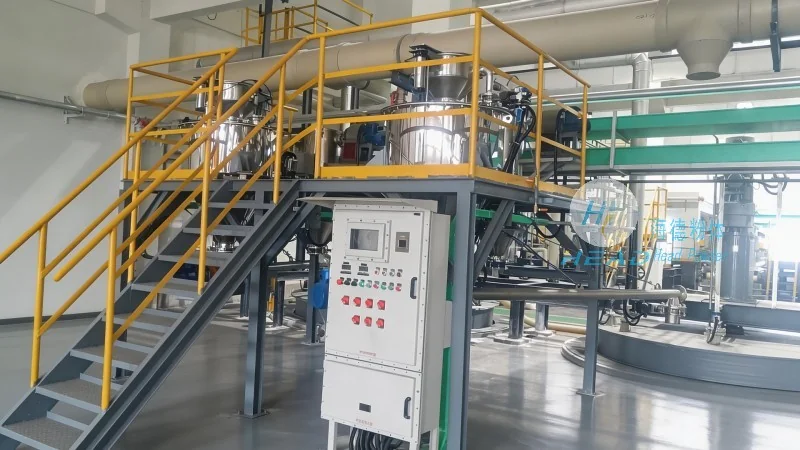
1. Air Velocity and Pressure
Optimizing the air velocity and pressure within the pipeline is fundamental to preventing blockages. Insufficient air velocity can lead to material settling and agglomeration, while excessive pressure may cause wear on components and increase energy consumption. The ideal velocity for urea conveyance typically ranges between 20 to 30 meters per second, depending on the particle size and density. Maintaining a consistent pressure gradient along the pipeline ensures that urea particles remain suspended and move smoothly through the system.
2. Pipeline Diameter and Length
The diameter of the conveying pipeline and its total length are critical design elements. Larger diameters reduce friction losses and allow for lower air velocities, which can help prevent particle deposition. However, overly large diameters may increase capital costs. The length of the pipeline also affects the required pressure and velocity; longer runs necessitate higher pressure to overcome friction and maintain flow. Proper sizing of the pipeline ensures that the system operates within the optimal range for urea transport.
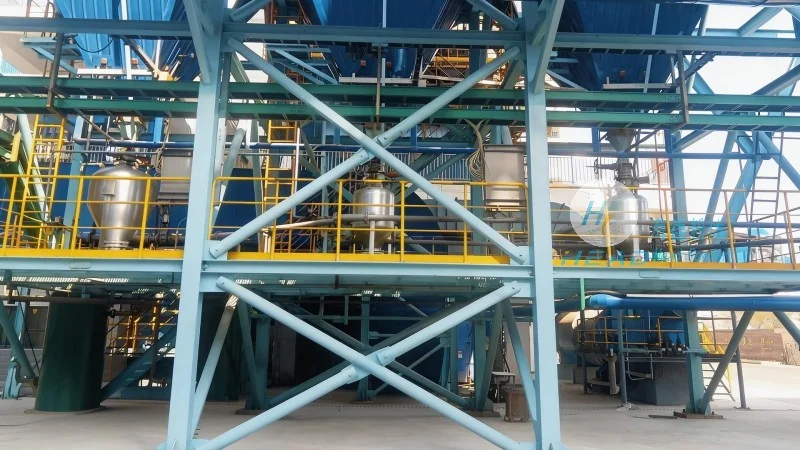
3. Material Characteristics and Moisture Content
The physical properties of urea, such as particle size distribution, bulk density, and moisture content, directly influence the design of the pneumatic conveying system. Urea particles are typically fine and can clump together if moisture is present. High moisture levels can cause the material to stick to the pipe walls, leading to blockages. Therefore, it is essential to control the moisture content of urea before conveying and to incorporate features like drying or anti-agglomeration agents in the system design.
4. Conveying System Configuration (Positive vs. Negative Pressure)
The choice between positive pressure (blow-through) and negative pressure (suction) systems affects the risk of blockages. Positive pressure systems are generally more effective for urea conveyance as they provide better control over material flow and can handle higher material loads. Negative pressure systems, while useful for certain applications, may be more prone to blockages due to the lower air velocity and potential for material settling. The configuration must be selected based on the specific requirements of the urea handling facility and the distance to be covered.
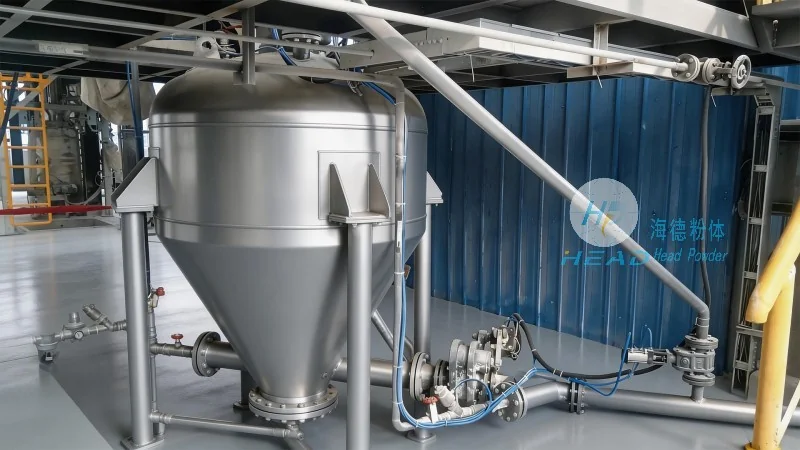
HeadPowder Engineering's Expertise in Urea Pneumatic Conveying Solutions
Shandong HeadPowder Engineering Co., Ltd., a leading provider of pneumatic conveying systems, specializes in designing and manufacturing solutions tailored to the unique challenges of urea transportation. With years of experience in the chemical and fertilizer industries, HeadPowder has developed advanced systems that incorporate the key design parameters necessary to prevent pipeline blockages. The company's engineering team works closely with clients to assess their specific urea handling needs, including production capacity, distance, and environmental considerations, to deliver customized solutions that ensure reliable and efficient operation.
Conclusion: Optimizing Urea Conveyance with Proper Design
Preventing pipeline blockages in urea pneumatic conveying systems requires a comprehensive approach that considers multiple design parameters. By optimizing air velocity and pressure, selecting appropriate pipeline dimensions, managing material moisture content, and choosing the right system configuration, facilities can significantly reduce the risk of blockages and improve overall operational efficiency. HeadPowder Engineering, with its expertise and commitment to quality, offers reliable solutions that help clients achieve seamless urea transportation, minimizing downtime and maximizing productivity in their operations.