

How to Prevent Pipe Blockages in Pneumatic Conveying Systems for Plastic Powder? Key Design Paramete
Plastic powder handling in industrial settings often relies on pneumatic conveying systems to transport materials efficiently. However, one of the most common challenges in this process is pipe blockage, which can lead to downtime, increased maintenance costs, and reduced productivity. To address this issue effectively, understanding and implementing the right design parameters is crucial. This article explores how to prevent pipe blockages in pneumatic conveying systems specifically for plastic powders and highlights the key design considerations that contribute to a reliable and efficient system.

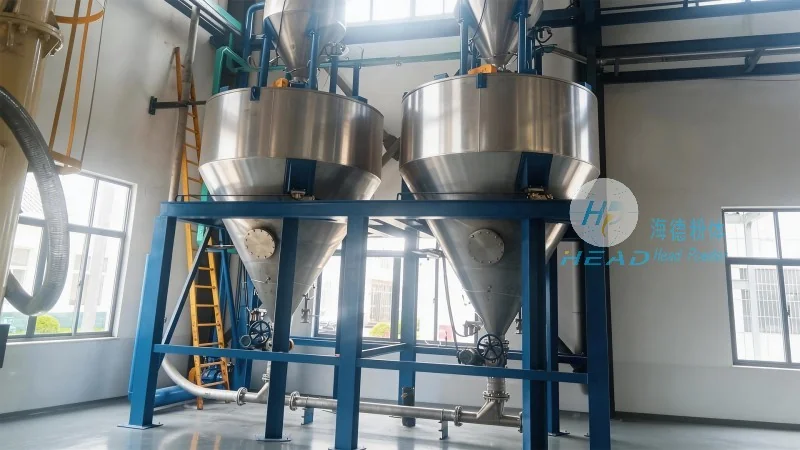
System Pressure and Flow Rate: Balancing Efficiency and Blockage Risk
The pressure and flow rate within a pneumatic conveying system are fundamental factors that influence the risk of blockage. Higher pressure can enhance material transport but may also increase the likelihood of agglomeration or particle sticking to the pipe walls. Conversely, lower pressure might reduce blockage risk but could compromise material throughput. The optimal pressure range for plastic powders typically falls between 5 to 15 bar, depending on the specific powder characteristics and system configuration. Flow rate is equally important; maintaining a consistent, moderate flow rate helps prevent the formation of stagnant zones where particles can accumulate and cause blockages. HeadPowder, a leading provider of pneumatic conveying solutions, emphasizes the importance of matching the system pressure and flow rate to the physical properties of the plastic powder being handled. By conducting thorough material testing and system simulations, HeadPowder engineers can determine the ideal pressure and flow rate settings that minimize blockage risk while ensuring efficient material transport.
Pipe Diameter and Material: Choosing the Right Components
The diameter of the conveying pipe is another critical parameter that affects blockage prevention. Smaller diameter pipes increase the risk of blockage as they provide less space for particles to move freely, especially when dealing with fine or cohesive plastic powders. Larger diameters, on the other hand, may require higher pressure to maintain the same flow rate, which can increase energy costs. A common recommendation is to use pipes with a diameter at least 1.5 times the largest particle size of the plastic powder to ensure adequate clearance. The material of the pipe itself also plays a role; stainless steel or food-grade plastic pipes are often preferred for plastic powders as they resist corrosion and prevent material adhesion. HeadPowder specializes in custom pipe designs tailored to the specific requirements of plastic powder applications. Their engineers consider factors such as powder particle size distribution, moisture content, and abrasiveness when selecting the appropriate pipe diameter and material, ensuring that the system is optimized to prevent blockages and maintain long-term performance.
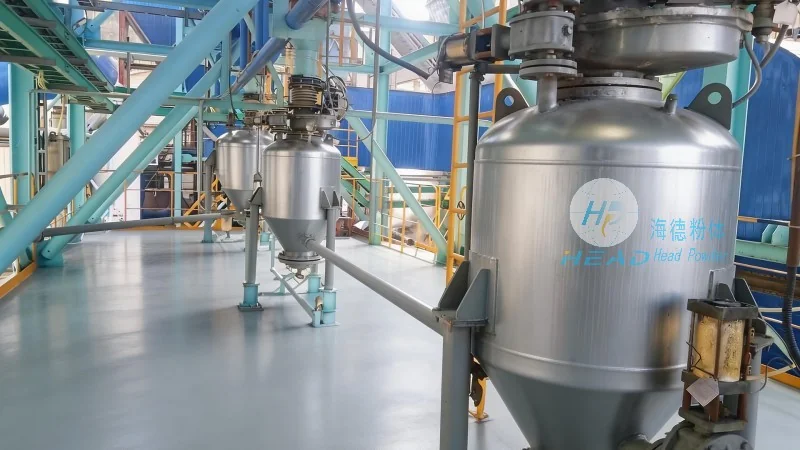
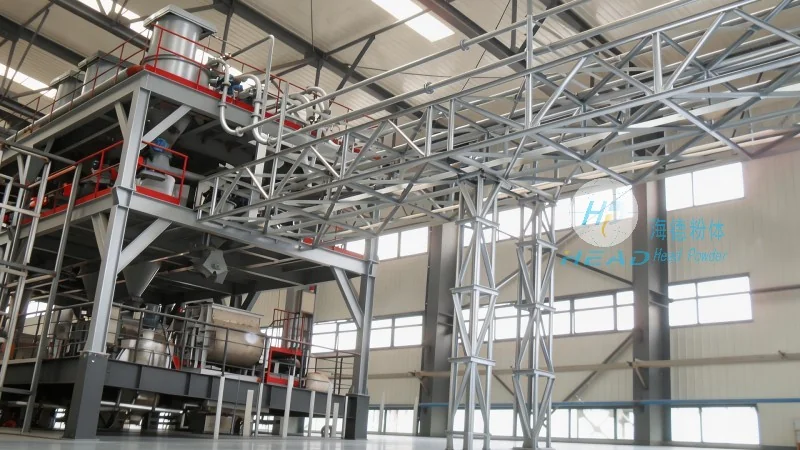
Gas-Solid Ratio: Maintaining Proper Air-to-Powder Ratio
The gas-solid ratio, which represents the volume of air to the volume of powder in the conveying system, is a key design parameter that directly impacts blockage risk. An improper gas-solid ratio can lead to either insufficient air to lift the powder or excessive air that causes the powder to become too dispersed and potentially stick to the pipe walls. The optimal gas-solid ratio for plastic powders typically ranges from 0.5 to 1.5, depending on the powder's density and flowability. HeadPowder's design process involves precise calculation of the gas-solid ratio based on the material's bulk density and the desired conveying velocity. By maintaining the correct ratio, the system ensures that the powder is fully suspended in the air stream, reducing the chance of particle agglomeration and blockage. This parameter is particularly important when handling cohesive or fine plastic powders, as even small deviations can lead to significant blockage issues.