

How to Prevent Pipeline Blockages in Pneumatic Conveying Systems for Rice Grain Transport? Key Desig
When it comes to transporting rice grains using pneumatic conveying systems, preventing pipeline blockages is a critical challenge that can significantly impact operational efficiency and product quality. The unique physical properties of rice, such as its size, shape, and moisture content, can lead to clogging if the system is not properly designed and maintained. Understanding the key design parameters and best practices is essential for ensuring smooth and reliable rice transport.
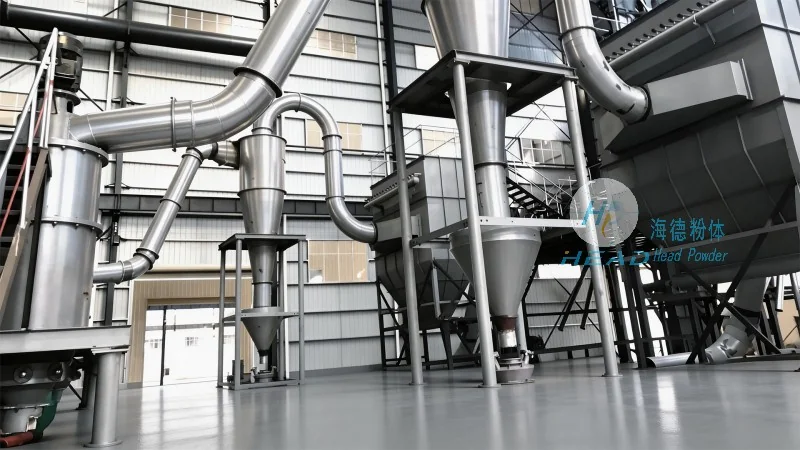
Understanding the Risks of Pipeline Blockages in Rice Conveying
Rice grains are often irregularly shaped and can have varying sizes, which makes them prone to sticking together or adhering to the inner walls of the conveying pipeline. Additionally, factors like moisture content, temperature, and the type of air used in the system can exacerbate blockage risks. A blockage can cause pressure buildup, reduced airflow, and even system failure, leading to downtime and potential damage to the rice. Therefore, implementing effective prevention strategies is paramount for maintaining consistent performance in rice handling operations.
Key Design Parameters for Preventing Blockages in Pneumatic Conveying Systems
Several critical design parameters must be considered to minimize the risk of pipeline blockages in rice grain transport. The first is the selection of the appropriate conveying air velocity. The air velocity must be high enough to keep the rice grains in suspension but not so high that it causes excessive wear on the system components. For rice, a typical air velocity range is between 20 to 30 meters per second, depending on the pipeline diameter and the specific rice variety. Maintaining this velocity ensures that the rice particles remain fully suspended and do not settle or accumulate on the pipe walls.
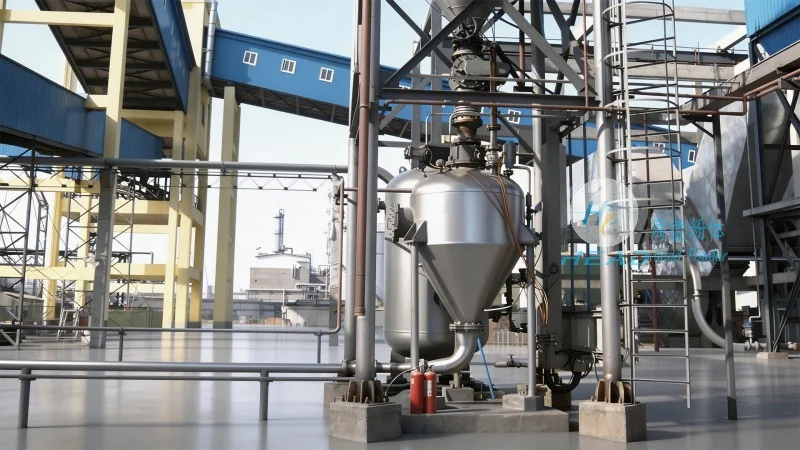
Another crucial parameter is the pipeline diameter and length. Larger diameter pipes reduce the frictional resistance and the likelihood of particle accumulation. However, excessively long pipelines can increase the risk of blockages due to the potential for rice to settle out of suspension. Properly sizing the pipeline based on the expected flow rate and particle characteristics is essential. Additionally, incorporating expansion joints or flexible connectors can help accommodate thermal expansion and reduce stress on the system, which may indirectly contribute to preventing blockages by maintaining system integrity.
Material Selection and Surface Treatment
The choice of pipeline material and surface treatment plays a vital role in preventing rice grain adhesion. Rice grains can stick to smooth surfaces, especially if they are wet or have a high starch content. Using materials with a slightly rough or textured surface, such as stainless steel with a brushed finish or plastic pipes with a ribbed interior, can reduce the adhesion of rice particles. Additionally, anti-adhesive coatings or liners can be applied to the inner walls of the pipeline to further minimize sticking. These measures help ensure that rice grains flow smoothly through the system without accumulating on the pipe walls.
System Sizing and Airflow Management
Proper system sizing and airflow management are fundamental to preventing blockages. The conveying system must be designed to handle the specific flow rate and particle size distribution of the rice being transported. Using flow meters and pressure sensors to monitor the system in real-time allows operators to detect any changes in airflow or pressure that may indicate an impending blockage. Adjusting the air pressure or velocity as needed can help maintain optimal conditions and prevent the rice from settling. Furthermore, incorporating air separation or cleaning mechanisms, such as cyclones or filters, can help remove any excess moisture or debris that may contribute to blockages, ensuring the system remains clean and efficient.
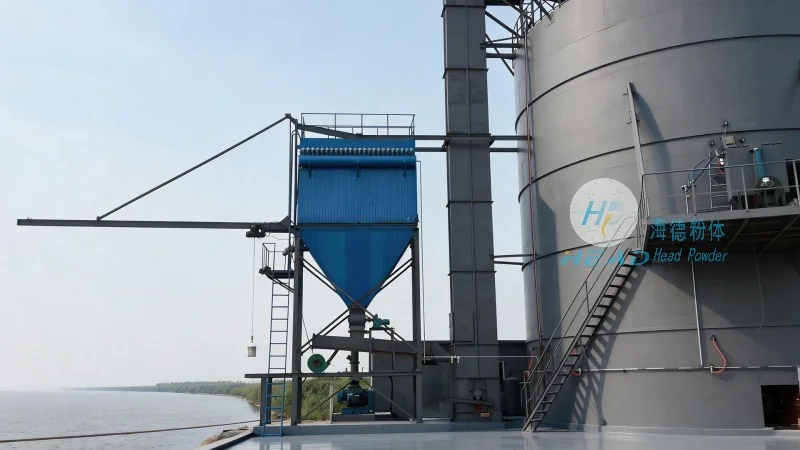
Regular Maintenance and Monitoring
Even with optimal design, regular maintenance and monitoring are essential to prevent pipeline blockages in pneumatic conveying systems for rice. Routine inspections of the pipeline and components for signs of wear or damage can help identify potential issues before they lead to blockages. Cleaning the system periodically, especially after handling different rice varieties or after extended periods of inactivity, can remove any accumulated particles or debris. Implementing a preventive maintenance schedule that includes checks on air filters, valves, and other components ensures that the system operates at peak performance and reduces the risk of unexpected blockages.
Conclusion: Ensuring Efficient Rice Transport with Proper Design
Preventing pipeline blockages in pneumatic conveying systems for rice grain transport requires a comprehensive approach that considers multiple design parameters and operational practices. By selecting the appropriate air velocity, pipeline diameter, and material, and by implementing effective airflow management and regular maintenance, operators can minimize the risk of blockages and ensure smooth, reliable rice transport. The key is to tailor the system design to the specific characteristics of the rice being handled, as well as to the operational requirements of the facility. With proper attention to these factors, pneumatic conveying systems can provide an efficient and cost-effective solution for rice handling, while maintaining product quality and operational efficiency.