

How to Prevent Pipeline Blockages in the Pneumatic Conveying System for Calcium Nitrite? Key Design
When it comes to transporting calcium nitrite using pneumatic conveying systems, preventing pipeline blockages is a critical challenge that can significantly impact operational efficiency and safety. The proper design and implementation of key parameters are essential to ensure smooth and reliable material handling. This article explores effective strategies and key design considerations to mitigate blockages in pneumatic conveying systems specifically for calcium nitrite, with insights from Shandong HeadPowder Engineering Co., Ltd., a leading provider in the field.
Understanding the Challenges of Calcium Nitrite Pneumatic Conveying
Calcium nitrite is a fine, hygroscopic material that can exhibit unique flow characteristics when handled in pneumatic systems. Its tendency to agglomerate or stick to pipe walls, combined with its sensitivity to moisture and temperature, makes it prone to causing blockages if the conveying system is not optimized. Traditional pneumatic conveying methods may struggle with such materials, leading to downtime, increased maintenance costs, and potential safety hazards. Therefore, a tailored approach to system design is crucial.
Key Design Parameters for Preventing Blockages
Several critical design parameters must be carefully considered to prevent pipeline blockages in pneumatic conveying systems for calcium nitrite. These parameters directly influence the material's flow behavior and the system's overall performance. The following are the most important factors:
1. Air Velocity and Flow Rate
The air velocity within the conveying line is a primary factor in preventing blockages. Insufficient air velocity can lead to material settling and accumulation on pipe walls, while excessively high velocity may cause erosion and increased energy consumption. For calcium nitrite, an optimal air velocity typically ranges between 20 to 30 meters per second, depending on the pipeline diameter and material characteristics. The flow rate must be balanced to maintain a consistent, non-clogging flow. Shandong HeadPowder Engineering Co., Ltd. recommends monitoring and adjusting air velocity in real-time to adapt to variations in material feed rate and humidity.
2. Pipeline Diameter and Length
The diameter of the conveying pipeline is directly proportional to the risk of blockage. Smaller diameters increase the likelihood of material sticking to the pipe walls due to higher surface area contact and reduced flow velocity. Conversely, larger diameters can improve material movement but may increase system costs and energy consumption. For calcium nitrite, a pipeline diameter of at least 100 mm is generally recommended to minimize blockage risk. The length of the pipeline also plays a role; longer runs require higher air pressure and velocity to maintain flow. Proper sizing of the pipeline, considering both diameter and length, is essential for efficient operation.
3. Material Feed Rate and Consistency
The feed rate of calcium nitrite into the system must be controlled to avoid overloading the conveying line. Inconsistent feed rates can lead to surges that cause material to accumulate and block the pipeline. A consistent feed, often achieved through a hopper or feeder system, ensures a steady flow of material. Shandong HeadPowder Engineering Co., Ltd. emphasizes the importance of using controlled feeding mechanisms, such as rotary valves or screw feeders, to maintain a uniform material flow rate. This consistency reduces the risk of blockages and improves system reliability.
4. Air Pressure and System Configuration
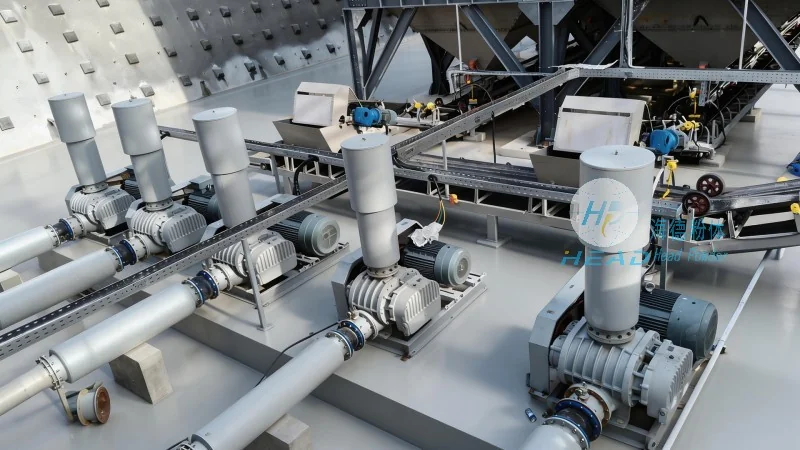
The air pressure used in the pneumatic conveying system is another critical parameter. Higher air pressure can enhance material movement but may also increase the risk of pressure-related issues, such as pipe rupture or material erosion. A balanced pressure, typically ranging from 0.5 to 1.0 MPa for calcium nitrite, is recommended to maintain effective conveying without causing damage. The system configuration, including the use of horizontal or vertical runs, also impacts blockage risk. Vertical sections require higher air velocity to counteract gravity and prevent material settling. Proper system design, considering both horizontal and vertical segments, ensures smooth material transport.
Additional Strategies for Blockage Prevention
Beyond the core design parameters, several supplementary strategies can further reduce the risk of pipeline blockages in pneumatic conveying systems for calcium nitrite. These include regular system maintenance, such as cleaning and inspection of pipelines and components, and the use of anti-caking agents or additives to improve material flowability. Additionally, monitoring humidity levels and controlling the environment around the material storage and feeding areas can mitigate the hygroscopic nature of calcium nitrite, reducing its tendency to stick to surfaces.
Conclusion: Ensuring Efficient and Reliable Calcium Nitrite Conveying
Preventing pipeline blockages in pneumatic conveying systems for calcium nitrite requires a comprehensive approach that integrates proper design parameters with effective operational strategies. By carefully considering air velocity, pipeline diameter, feed rate, and air pressure, along with supplementary measures like regular maintenance and environmental control, operators can significantly reduce downtime and improve system performance. Shandong HeadPowder Engineering Co., Ltd. offers specialized expertise and tailored solutions to address these challenges, ensuring efficient and safe handling of calcium nitrite in various industrial applications. With their focus on optimizing pneumatic conveying systems, they help clients achieve reliable material transport while minimizing the risk of blockages and associated operational issues.