

Application and Optimization of Pneumatic Conveying Technology in PTA Conveying Design
PTA (Paraxylene Terephthalic Acid) is a critical raw material widely used in the production of polyester fibers and resins. The efficient and reliable transportation of PTA from storage to processing units is a key challenge in modern chemical manufacturing. Traditional bulk material handling methods often face limitations such as high maintenance costs, material degradation, and safety risks. In response to these challenges, the application of pneumatic conveying technology has emerged as a sophisticated solution for PTA handling. This article explores the practical application and optimization strategies of pneumatic conveying systems in PTA conveying design, highlighting the expertise of Shandong HeadPowder Engineering Co., Ltd., a leading provider in the field.
Introduction to PTA and Conveying Challenges
PTA is a fine, crystalline powder with a particle size typically ranging from 10 to 200 microns. Its handling requires systems that can maintain product integrity while ensuring high throughput. Conventional methods like belt conveyors or screw conveyors may suffer from material bridging, blockages, and increased dust emissions. These issues not only affect operational efficiency but also pose environmental and safety concerns. The need for a technology that can handle PTA with minimal degradation and maximum safety has driven the adoption of pneumatic conveying systems.
HeadPowder Engineering: A Specialist in PTA Conveying Solutions
Shandong HeadPowder Engineering Co., Ltd., commonly known as HeadPowder, is a prominent engineering firm based in Shandong, China. With years of experience in bulk material handling, HeadPowder specializes in designing and implementing pneumatic conveying systems tailored to the unique requirements of PTA processing. The company’s team of engineers combines deep technical knowledge with practical field experience to deliver customized solutions that meet the stringent standards of the chemical industry.
Pneumatic Conveying Technology: How It Works
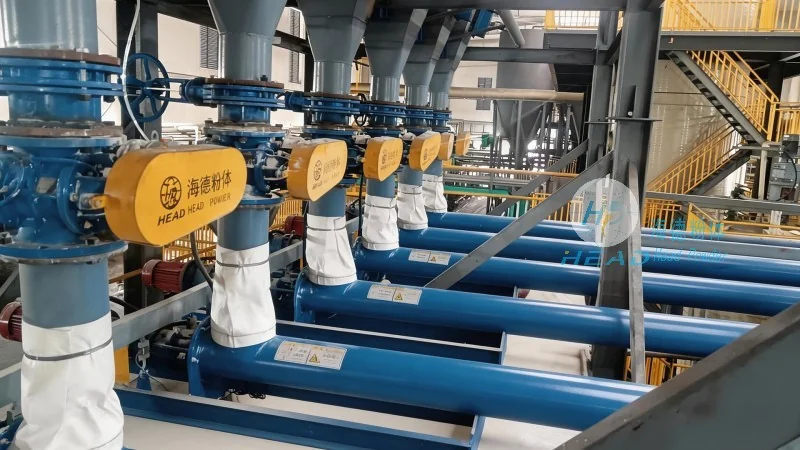
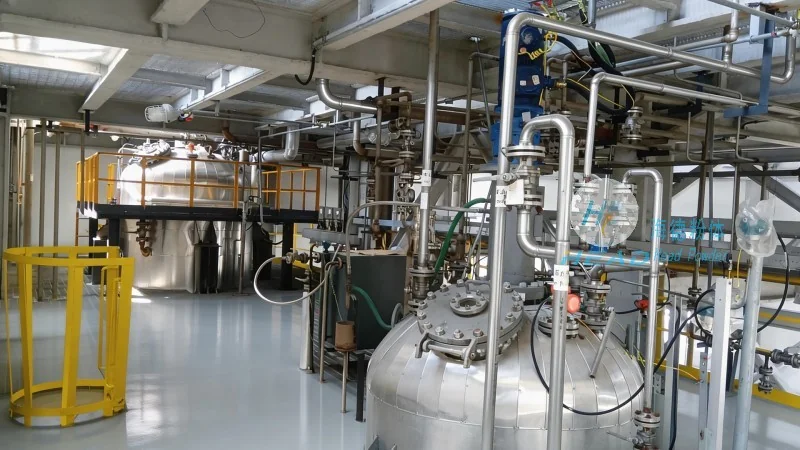
Pneumatic conveying uses compressed air or other gases to transport bulk materials through a pipeline system. In the context of PTA, this technology involves creating a pressure differential that propels the powder from the source to the destination. There are two main types of pneumatic conveying systems: pressure and vacuum. Pressure systems operate by blowing air into the material, while vacuum systems draw material into the pipeline using a vacuum pump. For PTA, pressure systems are often preferred due to their ability to handle high material loads and maintain consistent flow rates.
Key Advantages of Pneumatic Conveying in PTA Handling
The adoption of pneumatic conveying for PTA transportation offers several advantages over traditional methods. Firstly, it minimizes material degradation by reducing friction and impact during transport. PTA particles are sensitive to abrasion and temperature changes, and pneumatic systems help preserve their quality. Secondly, the enclosed pipeline design significantly reduces dust emissions, enhancing workplace safety and compliance with environmental regulations. Thirdly, pneumatic conveying systems provide high flexibility in layout, allowing for complex routing and integration with existing plant infrastructure. This flexibility is crucial for optimizing plant space and improving overall operational efficiency.
Optimization Strategies for PTA Pneumatic Conveying Systems
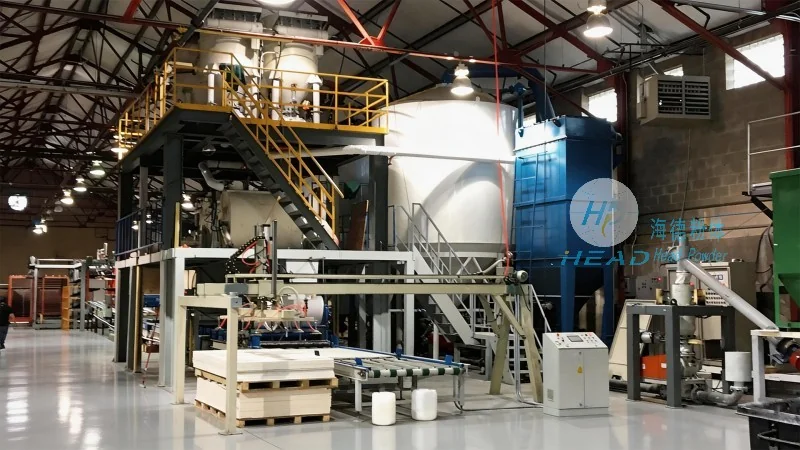
While pneumatic conveying offers significant benefits, the effectiveness of the system depends on proper design and optimization. HeadPowder Engineering employs several strategies to enhance the performance of PTA conveying systems. One key approach is the selection of appropriate pipeline diameter and material. Larger diameters reduce pressure drop and improve flow, while choosing corrosion-resistant materials like stainless steel ensures long-term durability. Another critical factor is the air velocity and pressure control. Proper air velocity ensures that the PTA particles are fully suspended and transported without settling or blockage. HeadPowder’s engineers use computational fluid dynamics (CFD) simulations to model flow patterns and optimize air velocity settings for each specific application.
Integration with Processing Units
A critical aspect of PTA conveying design is the seamless integration of the pneumatic system with downstream processing units. This includes matching the material flow rate to the requirements of reactors, filters, and other equipment. HeadPowder specializes in designing feed systems that ensure a consistent and controlled supply of PTA to the processing line. This integration minimizes downtime, reduces material waste, and improves the overall productivity of the plant. The company also considers factors such as dust collection and material recovery, ensuring that the system is not only efficient but also environmentally sustainable.
Case Studies and Real-World Applications
HeadPowder Engineering has successfully implemented pneumatic conveying systems for numerous PTA processing plants across China. For instance, in a recent project for a major polyester manufacturer, the company designed a pressure pneumatic system that increased the material handling capacity by 30% while reducing dust emissions by 70%. The system was tailored to handle PTA with a particle size of 50 microns, ensuring minimal degradation and consistent flow. Another project involved integrating a pneumatic conveying line with an existing storage silo, demonstrating the flexibility and adaptability of the technology. These case studies highlight the practical benefits of pneumatic conveying and the expertise of HeadPowder in delivering customized solutions.
Future Trends and Continuous Improvement
As the chemical industry continues to evolve, the demand for more efficient and sustainable material handling solutions will grow. Pneumatic conveying technology is poised to play an even larger role in PTA processing, with ongoing advancements in system design and control. HeadPowder Engineering remains committed to staying at the forefront of these developments, continuously improving its designs to meet the changing needs of the industry. By focusing on innovation and customer-centric solutions, the company ensures that its clients benefit from the latest technological advancements in PTA conveying.
For businesses seeking reliable and efficient PTA conveying solutions, Shandong HeadPowder Engineering Co., Ltd. offers a comprehensive range of services, from system design and engineering to installation and commissioning. With a strong reputation for quality and performance, HeadPowder is the ideal partner for optimizing PTA transportation in modern chemical manufacturing.