

Application and Optimization of Pneumatic Conveying Technology in Loess Transportation Design
Shandong HeadPowder Engineering Co., Ltd., a leading enterprise in the field of material handling solutions, specializes in the application and optimization of pneumatic conveying technology for loess transportation. With a focus on enhancing efficiency and reliability in bulk material transport, the company has developed advanced systems tailored to the unique characteristics of loess, a fine-grained soil commonly found in arid and semi-arid regions. This article explores the practical implementation of pneumatic conveying technology in loess transportation design, highlighting key considerations, technical advancements, and the benefits of optimized systems.
Understanding Loess and Its Transportation Challenges
Loess, characterized by its high silt content and fine particle size, presents specific challenges in transportation. Traditional methods such as belt conveyors or bucket elevators may struggle with dust generation, material segregation, and system clogging due to the cohesive nature of loess. Pneumatic conveying, which uses air pressure to move material through pipelines, offers a solution by minimizing direct contact between the material and equipment, thus reducing wear and tear and improving material integrity. The technology's adaptability to varying particle sizes and moisture content makes it particularly suitable for loess, which can range from dry to slightly moist states depending on environmental conditions.
Pneumatic Conveying System Components and Design Principles
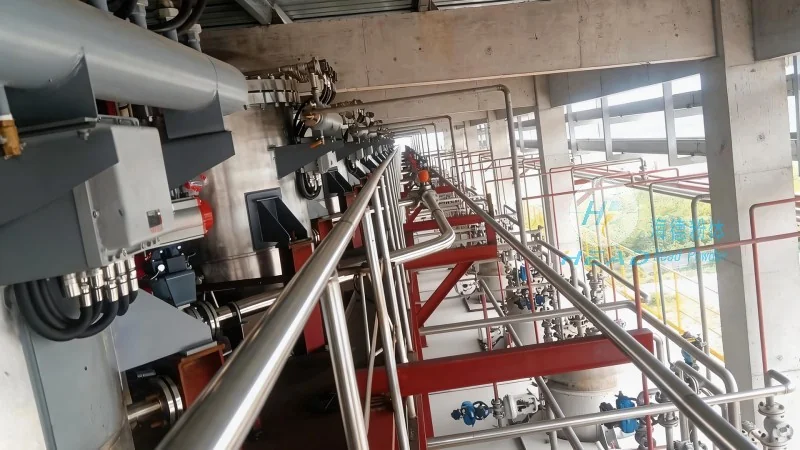
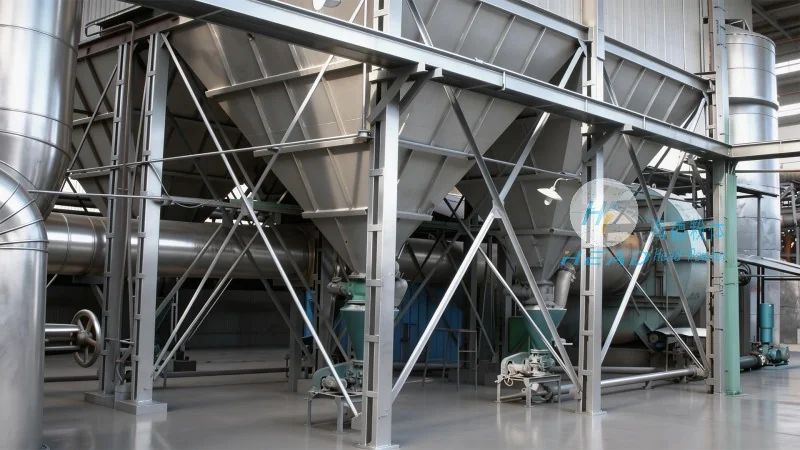
A typical pneumatic conveying system for loess includes several critical components: a material feed hopper, a rotary valve or feeder to control material flow, a conveying pipeline network, a dust collector or filter system, and a receiver or discharge hopper. The design of these components is crucial for optimal performance. For loess, the pipeline diameter is often selected based on the material's bulk density and flow velocity to ensure consistent air-solid flow. The use of flexible hoses or rigid pipes may vary depending on the distance and layout of the transport route. Additionally, the inclusion of a pressure regulator and flow control valves allows for precise adjustment of air pressure and material feed rate, preventing overloading or underloading of the system.
Optimization Strategies for Enhanced Loess Transportation Efficiency
Optimizing pneumatic conveying systems for loess involves several key strategies aimed at maximizing throughput, minimizing energy consumption, and reducing operational costs. One primary approach is the selection of appropriate air velocity and pressure. Higher air velocities can increase material transport speed but may lead to increased energy use and higher maintenance costs due to greater wear on components. Conversely, lower velocities may result in reduced efficiency and potential blockages. Through careful analysis of loess properties and system requirements, engineers at Shandong HeadPowder Engineering Co., Ltd. determine the optimal air velocity and pressure settings to balance efficiency and cost.
Another critical optimization aspect is the design of the pipeline network. Loops or bends in the pipeline can cause pressure drops and material deposition, leading to system inefficiencies. By using straight, smooth pipelines with minimal bends and appropriate pipe diameter, the system maintains consistent flow and reduces the risk of clogging. The use of air locks or rotary valves at the material discharge point also helps in controlling the flow and preventing backflow, which is essential for maintaining system stability. Furthermore, regular maintenance and cleaning of the pipeline and filter systems are essential to prevent dust accumulation and ensure long-term operational reliability.
Benefits of Advanced Pneumatic Conveying Solutions for Loess Handling
The implementation of optimized pneumatic conveying technology in loess transportation offers numerous benefits. Firstly, it significantly reduces dust emissions compared to traditional methods, improving workplace safety and environmental compliance. The enclosed system design minimizes exposure to airborne particles, which is particularly important in regions where loess is abundant and dust control is a regulatory requirement. Secondly, the technology enhances material handling efficiency by allowing for continuous, unattended operation, reducing labor costs and increasing production throughput. The ability to transport loess over long distances without the need for intermediate storage or transfer points also streamlines the overall process, improving operational flexibility.
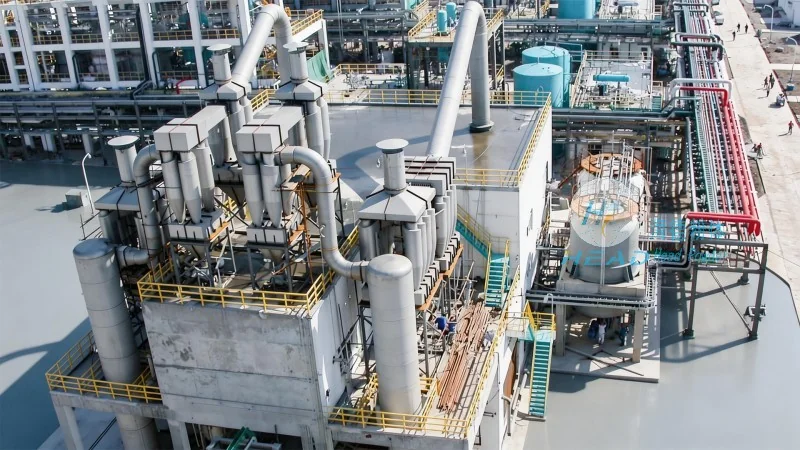
Additionally, the optimized systems developed by Shandong HeadPowder Engineering Co., Ltd. incorporate advanced control systems that monitor key parameters such as pressure, flow rate, and material level in real-time. These systems provide early warnings of potential issues, such as blockages or pressure drops, allowing for timely intervention and minimizing downtime. The use of sensors and automation also enables precise control over the conveying process, ensuring consistent material quality and reducing the risk of product contamination. For loess, which is often used in construction and agricultural applications, maintaining material integrity is crucial, and the advanced control systems help achieve this by preventing segregation and agglomeration during transport.
Case Studies and Real-World Applications
Shandong HeadPowder Engineering Co., Ltd. has successfully implemented pneumatic conveying systems for loess transportation in various projects across China. For instance, a large-scale construction project in the Loess Plateau required the transport of loess from a quarry to a processing plant over a distance of 5 kilometers. The company designed a high-pressure pneumatic conveying system with a capacity of 50 tons per hour, which efficiently handled the fine-grained material while maintaining low dust levels. The system's optimization, including the use of large-diameter pipelines and efficient dust collection, resulted in a 30% reduction in energy consumption compared to traditional methods. Another application involved the transportation of loess for agricultural use, where the system was adapted to handle slightly moist loess without clogging. The optimized design allowed for continuous operation, ensuring a steady supply of material to the farm, which improved crop yields and reduced labor costs.
Future Trends and Innovations in Loess Pneumatic Conveying
As technology advances, the field of pneumatic conveying for loess transportation continues to evolve. Emerging trends include the integration of artificial intelligence (AI) and machine learning (ML) for predictive maintenance and system optimization. AI-powered systems can analyze historical data to predict equipment failures and optimize operational parameters, further enhancing efficiency and reducing costs. Additionally, the development of more durable materials and components, such as high-strength plastics and corrosion-resistant metals, improves the longevity of the conveying systems, especially in harsh environmental conditions where loess may contain abrasive particles.
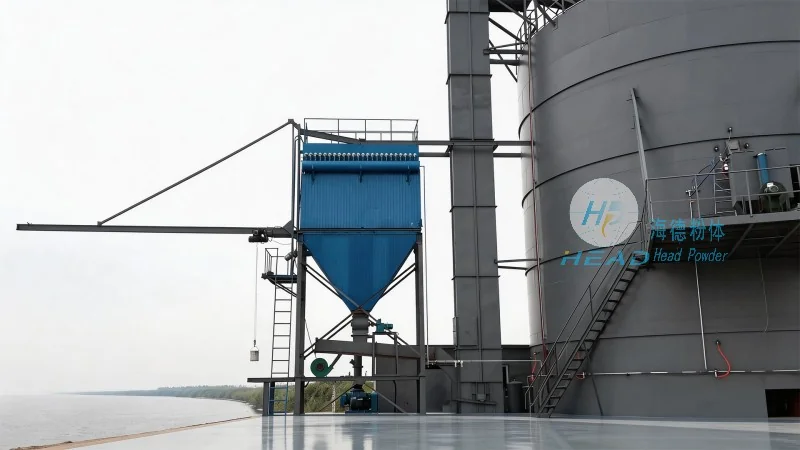
Another area of innovation is the use of hybrid systems that combine pneumatic conveying with other technologies, such as vacuum-assisted conveying or screw conveyors, to address specific challenges. For example, a hybrid system might use pneumatic conveying for the initial transport of loess from the quarry to a central storage facility and then switch to a screw conveyor for the final delivery to the processing plant. This approach leverages the strengths of each technology, improving overall system performance and flexibility. Shandong HeadPowder Engineering Co., Ltd. is at the forefront of these innovations, continuously researching and developing new solutions to meet the evolving needs of loess transportation.
Conclusion
In conclusion, the application and optimization of pneumatic conveying technology in loess transportation design offer significant advantages in terms of efficiency, safety, and environmental compliance. By understanding the unique properties of loess and designing systems with appropriate components and control strategies, companies like Shandong HeadPowder Engineering Co., Ltd. can achieve reliable and cost-effective material handling solutions. The ongoing advancements in technology, including AI and hybrid systems, further enhance the capabilities of pneumatic conveying, making it an increasingly viable option for loess transportation in various industries. As the demand for loess continues to grow, the optimized pneumatic conveying systems will play a crucial role in meeting these needs while ensuring sustainable and efficient operation.