

Application and Optimization of Pneumatic Conveying Technology in PTFE Material Handling Design
For industries dealing with PTFE (Polytetrafluoroethylene), efficient material handling is crucial to maintain product quality and operational efficiency. Pneumatic conveying technology offers a reliable method to transport PTFE powders and granules, addressing challenges such as dust control, contamination prevention, and material integrity. This article explores the application and optimization of pneumatic conveying systems specifically tailored for PTFE material handling, highlighting key considerations and best practices.
Understanding PTFE Material Characteristics and Conveying Challenges
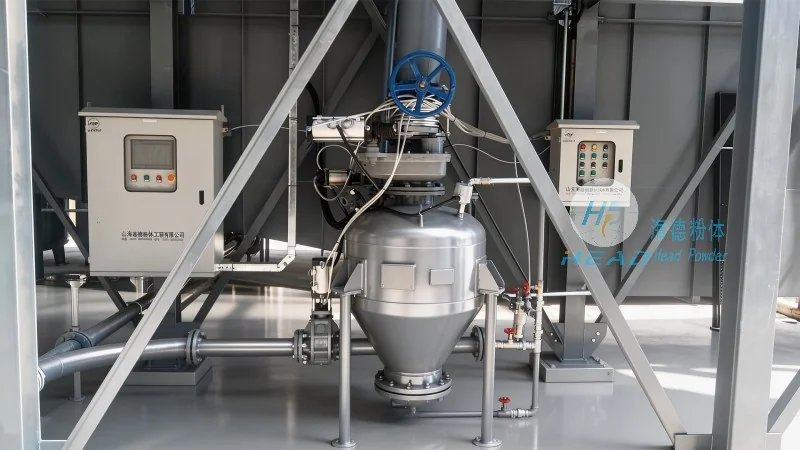
PTFE is known for its non-stick, chemical resistance, and high temperature stability properties, but these attributes also present unique challenges in material handling. The material is often fine and abrasive, requiring specialized equipment to prevent degradation and ensure consistent flow. Traditional methods like bucket elevators or belt conveyors may not be suitable due to the risk of material degradation or contamination. Pneumatic conveying systems, particularly pressure and vacuum types, are designed to handle these characteristics effectively. The key is to select the right system configuration—such as dilute phase or dense phase transport—to match the PTFE particle size, flow rate, and process requirements.
HeadPowder's Expertise in PTFE Pneumatic Conveying Systems
Shandong HeadPowder Engineering Co., Ltd. (headpowder) specializes in designing and manufacturing customized pneumatic conveying solutions for PTFE applications. With years of experience in the powder handling industry, the company understands the specific needs of PTFE processing, including maintaining low moisture content, preventing agglomeration, and ensuring product purity. HeadPowder's team of engineers works closely with clients to assess their operational parameters, such as material flow rates, distance, and environmental constraints, to develop tailored systems that meet both performance and regulatory standards.
Key Components of Optimized PTFE Pneumatic Conveying Systems
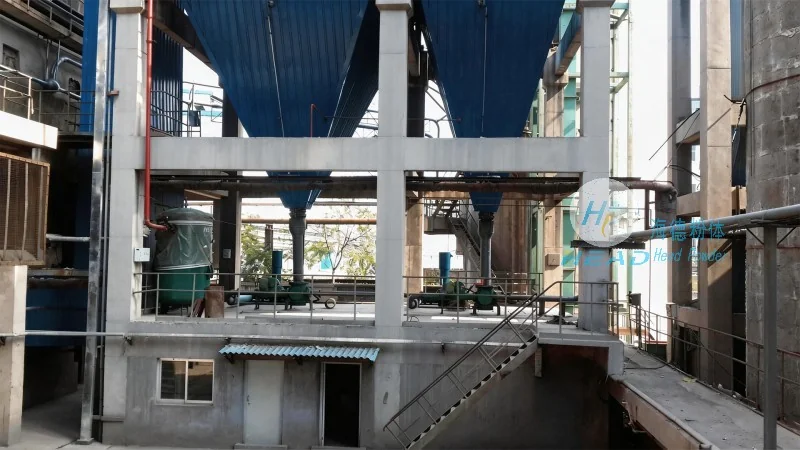
An optimized pneumatic conveying system for PTFE typically includes several critical components. The system may start with a hopper or feeder that controls the material flow into the conveying line, ensuring consistent feed rates. The conveying line itself is often made of corrosion-resistant materials like stainless steel or PTFE-coated components to prevent material buildup and contamination. For pressure systems, a positive displacement blower or rotary lobe pump provides the necessary air pressure to move the material, while vacuum systems use suction to draw the material from the source. The system may also include filters and cyclones to separate the material from the air stream, ensuring clean air discharge and material recovery. Additionally, control systems are integrated to monitor pressure, flow, and temperature, allowing for real-time adjustments to maintain optimal performance.
Optimization Strategies for PTFE Pneumatic Conveying Efficiency
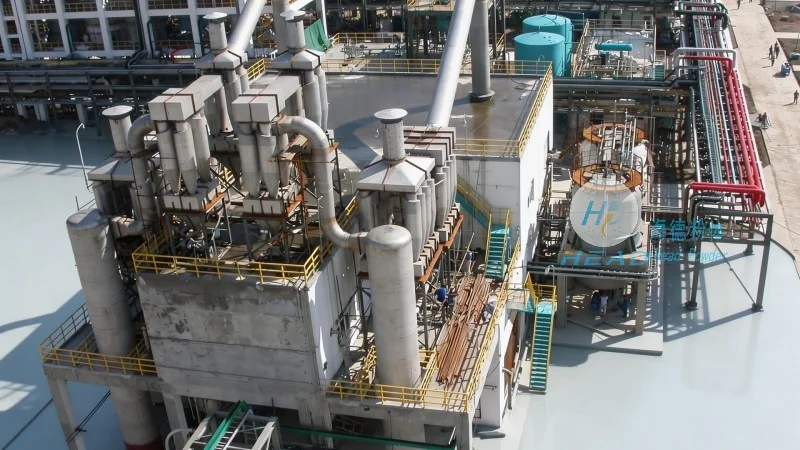
Optimizing a pneumatic conveying system for PTFE involves several strategies to enhance efficiency and reduce operational costs. One key approach is to match the system's air velocity to the PTFE particle size and density. Higher air velocities may be required for fine PTFE powders to prevent clogging, while lower velocities are suitable for larger granules. The system's design also considers the conveying distance and elevation changes, as these factors impact the required air pressure and energy consumption. HeadPowder employs computational fluid dynamics (CFD) and other simulation tools to model the system and predict performance, allowing for adjustments before installation. Regular maintenance and cleaning of components, such as filters and cyclones, are also essential to prevent system downtime and maintain efficiency. By implementing these optimization strategies, companies can achieve higher throughput, lower energy consumption, and improved product quality in their PTFE handling processes.
Case Studies: Successful PTFE Pneumatic Conveying Implementations
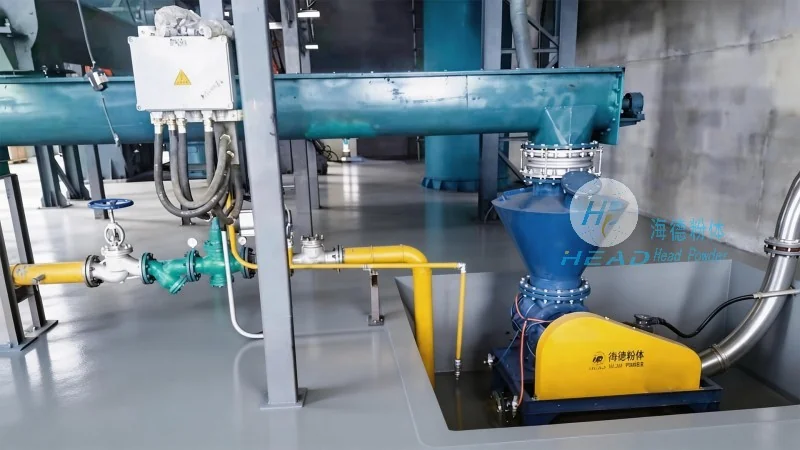
HeadPowder has successfully implemented pneumatic conveying systems for various PTFE processing applications. For example, a client in the electronics industry required a system to transport fine PTFE powders from a storage silo to a mixing station without degradation. HeadPowder designed a pressure dilute phase system with a stainless steel conveying line and a high-efficiency filter. The system was optimized for low air velocity to prevent particle breakage and included a temperature control system to maintain the material's properties. The result was a reliable, low-dust operation that reduced material loss by 30% and improved process consistency. Another case involved a chemical manufacturer needing to convey PTFE granules over a long distance. HeadPowder's team recommended a dense phase system with a rotary lobe pump, which minimized material degradation and reduced energy consumption compared to traditional methods. These case studies demonstrate the effectiveness of customized pneumatic conveying solutions in improving PTFE material handling efficiency and product quality.
Conclusion: Enhancing PTFE Handling with Advanced Pneumatic Conveying
In conclusion, pneumatic conveying technology offers a robust and efficient solution for PTFE material handling, addressing the unique challenges associated with this high-performance material. By optimizing system design, selecting appropriate components, and implementing effective maintenance strategies, companies can achieve improved operational efficiency, product quality, and cost savings. Shandong HeadPowder Engineering Co., Ltd. remains committed to providing expert solutions tailored to the specific needs of PTFE processing, ensuring that clients can maximize their production capabilities while maintaining the highest standards of material integrity. With its focus on innovation and customer-centric design, HeadPowder continues to be a leader in the development of advanced pneumatic conveying systems for PTFE applications.