

Application and Optimization of Pneumatic Conveying Technology in Limestone Magnesia Powder Handling
Shandong HeadPowder Engineering Co., Ltd., commonly known as HeadPowder, specializes in engineering solutions for bulk material handling, with a focus on pneumatic conveying systems tailored for limestone magnesia powder. This technology is crucial for efficient and reliable material transport in industrial applications, offering advantages over traditional methods such as reduced maintenance, improved safety, and enhanced process control.
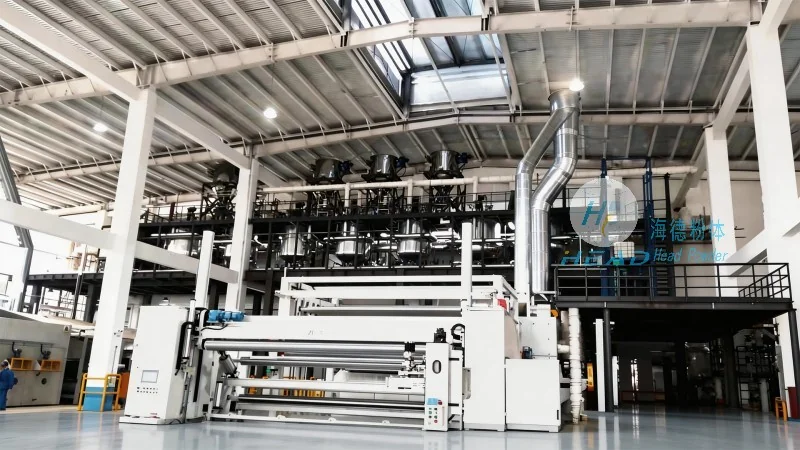
Pneumatic Conveying Systems: Core Components and Working Principles
Pneumatic conveying systems utilize air or gas to transport bulk materials through pipelines. The primary components include a material feed hopper, a rotary valve for controlled discharge, a conveying pipeline, a dust separator or filter, and a blower or compressor to generate the necessary airflow. For limestone magnesia powder, which is typically fine and abrasive, specialized equipment is essential to prevent clogging and ensure consistent flow. The system operates by creating a pressure differential, drawing the powder into the pipeline and transporting it to the destination point.
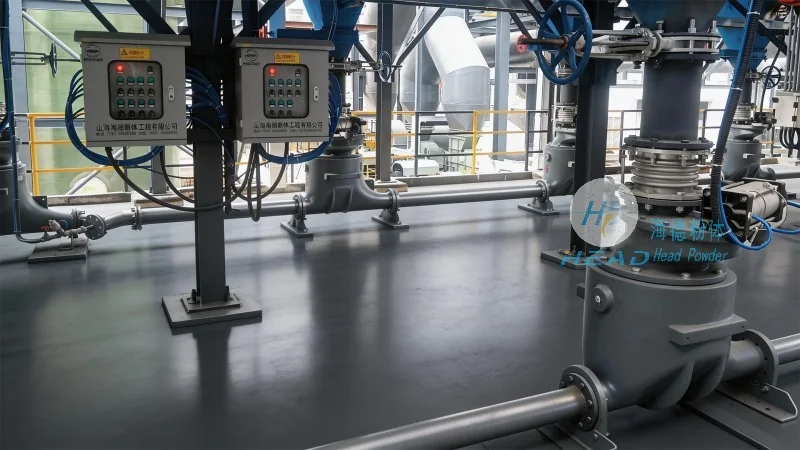
Application of Pneumatic Conveying in Limestone Magnesia Powder Handling
HeadPowder's pneumatic conveying solutions are specifically designed to address the unique challenges of handling limestone magnesia powder. This material, often used in construction, refractory, and chemical industries, requires systems that can manage high dust content and prevent material degradation. The company's designs incorporate features such as high-capacity feed mechanisms, anti-static components to prevent dust accumulation, and flexible pipeline configurations to accommodate different plant layouts. By integrating these elements, the system ensures efficient material transfer from storage silos to processing units, blending stations, or packaging areas.
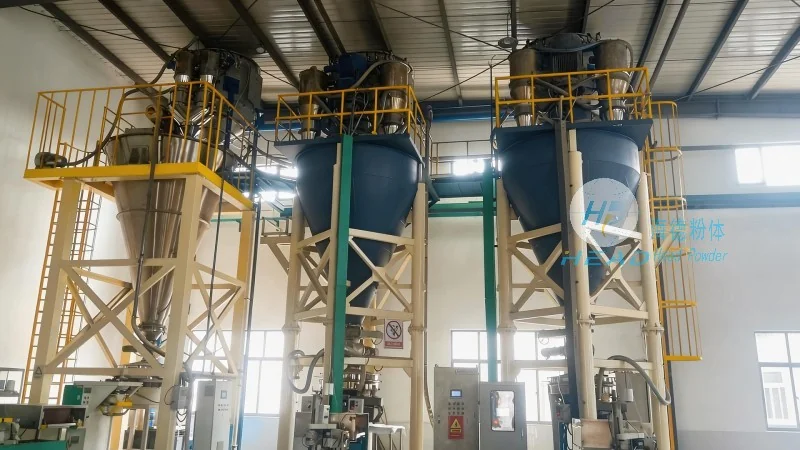
Optimization Strategies for Pneumatic Conveying Systems
Optimizing pneumatic conveying systems for limestone magnesia powder involves several key strategies. First, the selection of the appropriate conveying velocity is critical to prevent material degradation and ensure smooth flow. HeadPowder engineers use computational fluid dynamics (CFD) simulations to determine the optimal velocity based on particle size, density, and pipeline diameter. Second, the design of the pipeline network, including the use of bends, elbows, and expansion joints, minimizes pressure losses and reduces wear on components. Third, regular maintenance and monitoring of the system, including filter cleaning and blower performance checks, are essential to maintain efficiency and prevent downtime.
Benefits and Advantages of Optimized Pneumatic Conveying
The application of optimized pneumatic conveying technology in limestone magnesia powder handling offers numerous benefits. From an operational perspective, the system reduces labor costs by automating material transport and minimizing manual handling. It also enhances safety by eliminating the need for workers to handle dusty materials directly. From a production standpoint, consistent material flow improves process control, leading to higher product quality and reduced waste. Additionally, the reduced maintenance requirements and longer component lifespan lower overall operational costs, making the system economically viable for long-term use.
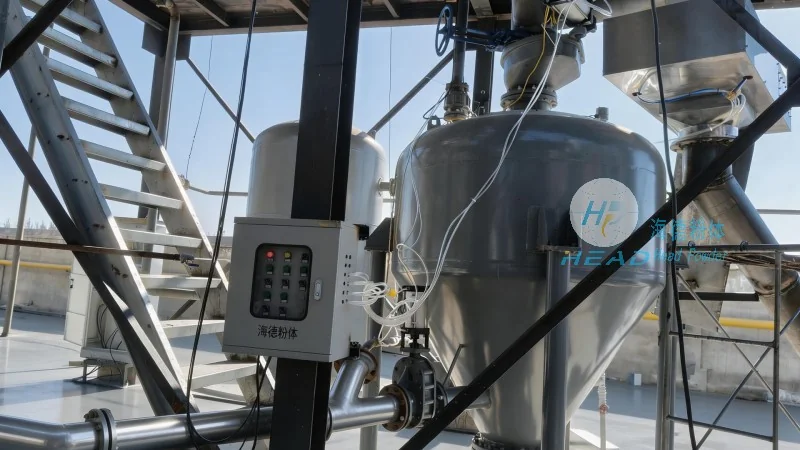
Case Study: Successful Implementation at a Refractory Plant
One notable example of HeadPowder's optimized pneumatic conveying system is its installation at a refractory plant in Shandong, China. The plant required a reliable method to transport limestone magnesia powder from storage silos to a blending and calcination unit. The existing system was prone to clogging and required frequent manual intervention. After consulting with HeadPowder engineers, the plant upgraded to a high-capacity pneumatic conveying system with anti-static filters and adjustable velocity controls. The results were immediate: material flow became consistent, clogging incidents decreased by 90%, and production efficiency increased by 15%. The plant also reported a reduction in dust emissions, improving workplace safety and compliance with environmental regulations.