

Application and Optimization of Pneumatic Conveying Technology in Organic Salt Transport Design
Shandong HeadPowder Engineering Co., Ltd., commonly known as headpowder, specializes in the design and implementation of pneumatic conveying systems, particularly tailored for the transport of organic salts. With a focus on optimizing material handling processes, the company leverages advanced engineering principles to address the unique challenges associated with organic salt transportation.
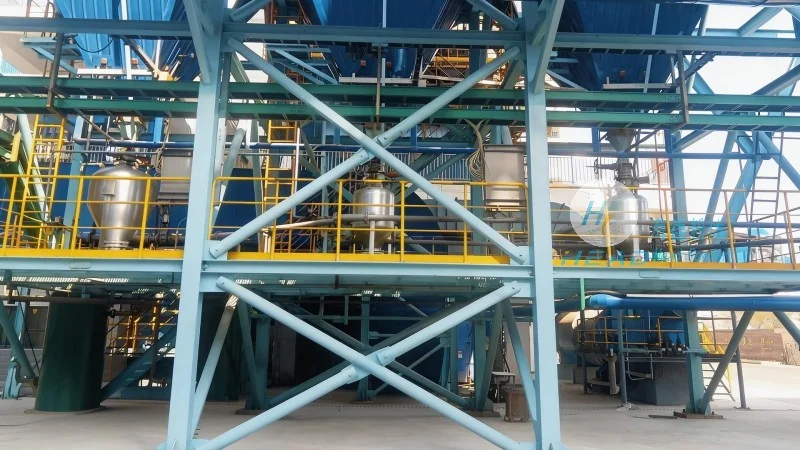
Understanding the Challenges of Organic Salt Transport
Organic salts, such as potassium carbonate, sodium bicarbonate, and other similar compounds, often present significant challenges during material handling. These materials are typically hygroscopic, prone to caking, and can generate dust during handling, which poses health and safety risks as well as operational inefficiencies. Traditional bulk material transport methods, like belt conveyors or bucket elevators, may struggle to maintain consistent flow rates and can lead to material degradation or equipment wear. The need for a more efficient, reliable, and safe transport solution has driven the adoption of pneumatic conveying technology in the industry.
Pneumatic Conveying Technology: A Superior Solution
Pneumatic conveying systems utilize air or other gases to transport bulk materials through a pipeline network. This method offers several advantages over conventional mechanical conveying systems, especially for organic salts. The primary benefits include: closed system operation, which minimizes dust exposure and environmental contamination; flexibility in system layout, allowing for complex routing around existing equipment or infrastructure; and the ability to handle materials with varying flow properties, including those that are cohesive or prone to bridging. For organic salts, these features are particularly valuable, as they help maintain product integrity and ensure compliance with regulatory standards for dust control and occupational safety.
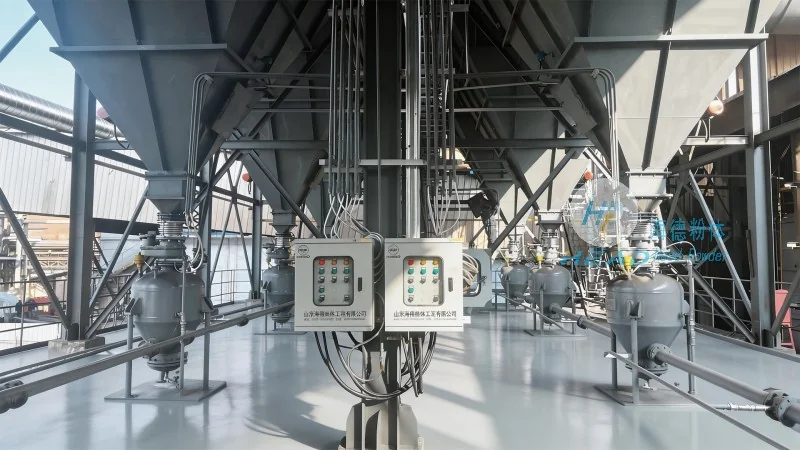
Optimizing Pneumatic Conveying for Organic Salt Applications
The success of pneumatic conveying in organic salt transport depends heavily on the optimization of system design and operational parameters. headpowder employs a comprehensive approach to ensure that each project is tailored to the specific characteristics of the material and the client's operational requirements. Key optimization factors include:
- System Sizing and Layout: Proper sizing of the conveying line, including pipe diameter, length, and pressure drop, is critical to achieving efficient material transport. The company uses advanced computational fluid dynamics (CFD) and empirical data to determine optimal system dimensions that balance energy consumption and material throughput.
- Equipment Selection: The choice of components, such as rotary air locks, cyclone separators, and dust collectors, is tailored to the properties of the organic salt. For example, materials that are prone to caking may require specialized valve designs or anti-clogging features to prevent blockages and ensure continuous operation.
- Control Strategies: Automated control systems are implemented to regulate air flow, pressure, and material feed rates. This ensures consistent performance and allows for real-time monitoring of system parameters, enabling quick adjustments to maintain optimal operation and prevent downtime.
By focusing on these optimization aspects, headpowder's pneumatic conveying systems deliver enhanced performance, reduced maintenance costs, and improved overall operational efficiency for clients handling organic salts. The company's expertise in material science and process engineering ensures that each solution is not only technically sound but also economically viable, providing a long-term return on investment for its customers.

Case Studies and Real-World Applications
headpowder has successfully implemented pneumatic conveying systems for a variety of organic salt applications across different industries. For instance, in a chemical manufacturing facility, the company designed a closed-loop system to transport sodium bicarbonate from storage silos to processing equipment, reducing dust emissions by over 90% and increasing production throughput by 15%. Another project involved the transport of potassium carbonate from a bulk storage terminal to a fertilizer production plant, where the system's flexibility allowed for integration with existing infrastructure and minimized construction costs.
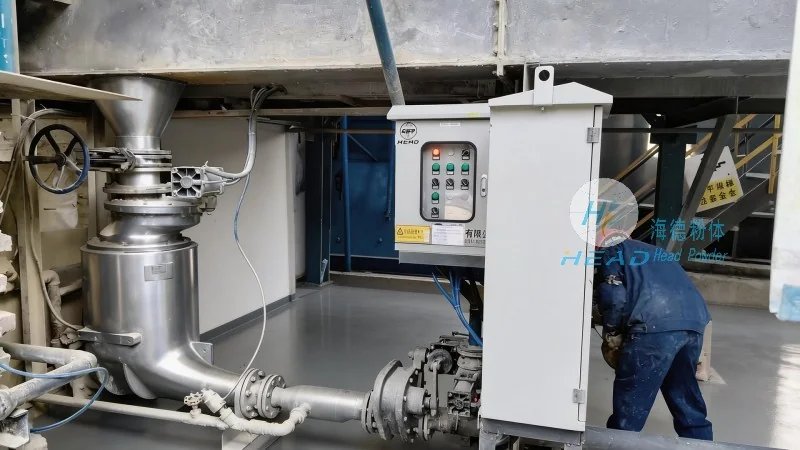
These case studies highlight the adaptability and effectiveness of headpowder's pneumatic conveying solutions. The company's commitment to understanding the unique needs of each client and providing customized engineering solutions has established it as a trusted partner in the organic salt transport industry.
Conclusion: Enhancing Organic Salt Transport with Advanced Technology
As the demand for efficient and safe bulk material handling continues to grow, the application and optimization of pneumatic conveying technology remain crucial for industries dealing with organic salts. Shandong HeadPowder Engineering Co., Ltd. stands at the forefront of this technology, leveraging its expertise and innovative approach to deliver solutions that meet the highest standards of performance, safety, and sustainability. By partnering with headpowder, clients can ensure that their organic salt transport operations are optimized for efficiency, reliability, and long-term success.