

Application and Optimization of Pneumatic Conveying Technology in Cement Particle Transport Design
Efficient and reliable transport of cement particles is a critical aspect of modern industrial operations, particularly in the construction and manufacturing sectors. Traditional methods such as belt conveyors or bucket elevators often face challenges like material degradation, high maintenance costs, and limited flexibility in handling fine powders. Pneumatic conveying technology has emerged as a superior solution, offering advantages like dust-free operation, reduced energy consumption, and enhanced process control. This article explores the application and optimization of pneumatic conveying systems specifically tailored for cement particle transport, highlighting key design considerations and practical implementation strategies.
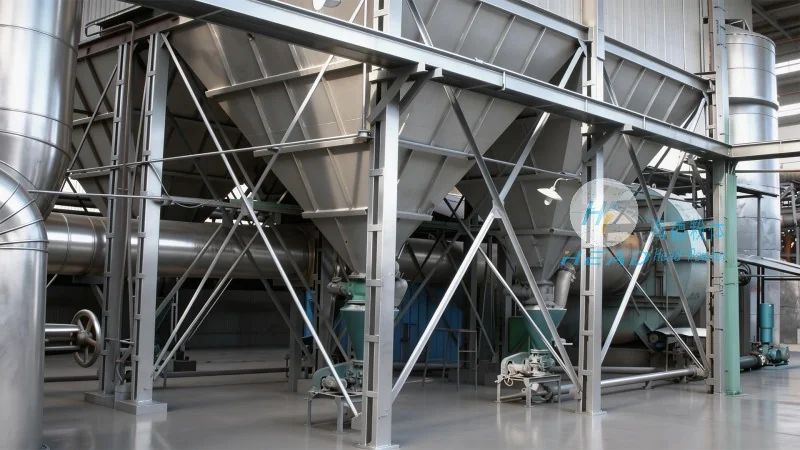
Understanding Pneumatic Conveying Systems for Cement Particles
Pneumatic conveying systems utilize air or gas to transport bulk materials like cement through a network of pipes. There are two primary types: dilute-phase and dense-phase systems. Dilute-phase systems, which operate at higher air velocities, are suitable for short-distance transport and low to medium particle loads. Dense-phase systems, on the other hand, use lower air velocities and higher material concentrations, ideal for longer distances and sensitive materials. For cement particles, the choice of system depends on factors such as the required transport distance, material flow rate, and the need to minimize product degradation. The design of the system must account for the specific properties of cement, including its particle size distribution, moisture content, and flow characteristics.
Key Design Considerations for Cement Particle Transport
Designing an effective pneumatic conveying system for cement particles involves several critical factors. First, the selection of the appropriate conveying line configuration—whether it's a horizontal, vertical, or combination of both—is crucial. Horizontal lines are used for short-distance horizontal transport, while vertical lines are essential for elevating cement from lower to higher levels. The diameter and length of the conveying pipes must be optimized to ensure smooth material flow and minimize pressure drop. For instance, larger pipe diameters reduce friction losses but increase system cost and space requirements. The material of construction for the pipes is also important; stainless steel or corrosion-resistant alloys are preferred to prevent rust and contamination of the cement.
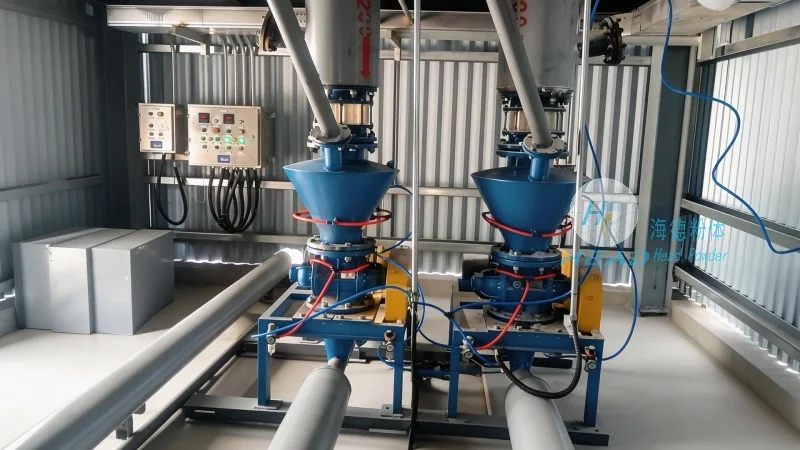
Another critical design consideration is the air supply system. The air compressor must be capable of delivering sufficient pressure and volume to move the cement particles through the system. Variable frequency drives (VFDs) are often used to adjust the air flow rate, allowing for better control over the conveying process and energy efficiency. The air filtration system is equally important, as it prevents dust and debris from entering the system and damaging equipment. High-efficiency particulate air (HEPA) filters are commonly used to ensure the air is clean and free from contaminants that could affect the quality of the cement.
Optimization Strategies for Pneumatic Conveying in Cement Applications
Optimizing a pneumatic conveying system for cement particles involves a combination of technical adjustments and operational best practices. One key strategy is the use of proper feeding mechanisms. Screw feeders or rotary valves are commonly used to feed cement into the conveying line at a controlled rate, preventing surges or blockages. The design of the feed point must ensure that the material is introduced smoothly into the air stream, avoiding the formation of clumps or agglomerates that could cause system inefficiencies. Additionally, the use of in-line mixers or agitators can help break up any lumps and ensure uniform material distribution.
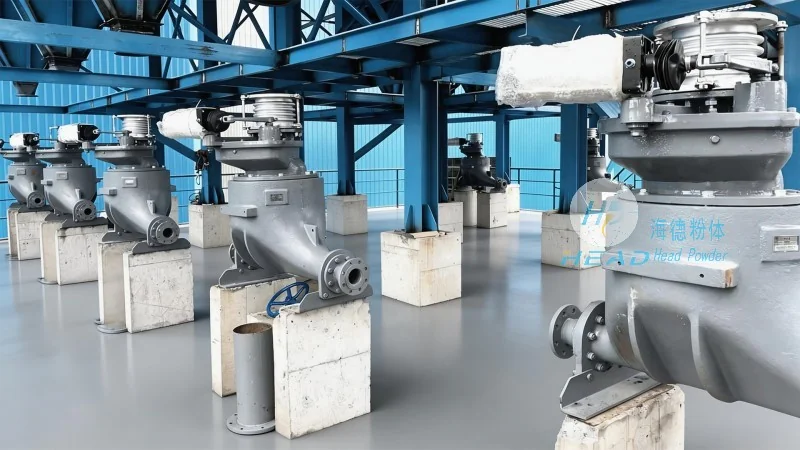
System monitoring and control are also vital for optimization. Modern pneumatic conveying systems often incorporate sensors and control panels that monitor pressure, flow rate, and material level in real-time. This allows operators to detect and address issues such as pressure drops or blockages promptly, minimizing downtime and ensuring consistent performance. Data logging and analysis tools can further help identify trends and optimize the system over time, leading to improved efficiency and reduced operational costs.
Energy efficiency is another important aspect of optimization. By adjusting the air flow rate based on the actual material load, the system can avoid over-pressurization and reduce energy consumption. The use of energy-efficient air compressors and proper insulation of the conveying lines can also contribute to lower operational costs. Furthermore, regular maintenance of the system, including cleaning of filters and checking for leaks, ensures that the system operates at peak performance and extends its lifespan.
Case Study: Successful Implementation by Shandong HeadPowder Engineering Co., Ltd.
Shandong HeadPowder Engineering Co., Ltd., a leading provider of pneumatic conveying solutions, has successfully implemented optimized systems for cement particle transport in various industrial applications. One notable project involved a large cement plant in China, where the company designed and installed a dense-phase pneumatic conveying system to transport raw cement from storage silos to the production line. The system was designed to handle a flow rate of 50 tons per hour over a distance of 200 meters, with a vertical lift of 30 meters. By carefully selecting the pipe diameter (150mm) and air pressure (0.8 MPa), the system achieved a high conveying efficiency of over 95%, with minimal material degradation. The use of stainless steel pipes and HEPA filters ensured that the cement remained clean and free from contamination, meeting the stringent quality standards of the plant.
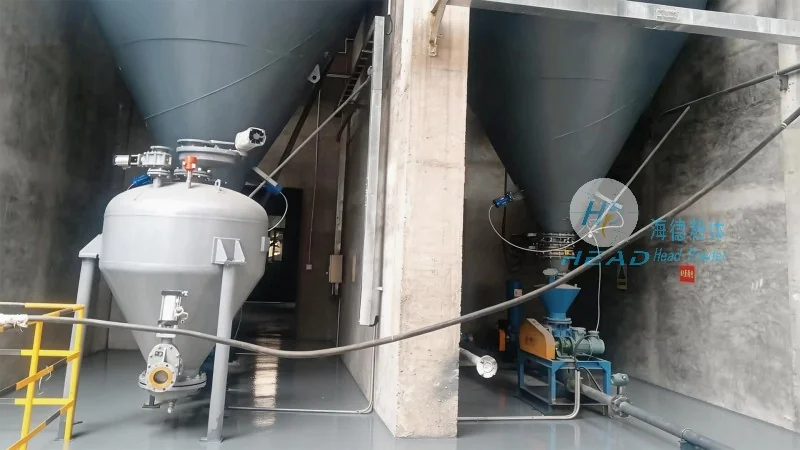
The project also incorporated advanced control systems, including VFDs for air flow adjustment and real-time monitoring of pressure and flow rates. This allowed the plant operators to optimize the system based on actual production demands, resulting in significant energy savings and reduced maintenance costs. The success of this project highlights the importance of proper system design and optimization in achieving efficient cement particle transport. HeadPowder's expertise in pneumatic conveying technology has enabled them to deliver tailored solutions that meet the specific needs of their clients, ensuring reliable and cost-effective operation.
Conclusion and Future Directions
Pneumatic conveying technology offers a highly effective and efficient solution for the transport of cement particles, with significant advantages over traditional methods. By carefully considering design factors such as system type, pipe configuration, and material properties, and implementing optimization strategies like proper feeding, system monitoring, and energy efficiency measures, operators can achieve reliable and cost-effective cement transport. Companies like Shandong HeadPowder Engineering Co., Ltd. play a crucial role in providing expert design and implementation services, helping industrial facilities maximize the benefits of pneumatic conveying systems. As technology continues to advance, future developments in materials, control systems, and energy efficiency will further enhance the performance and applicability of pneumatic conveying in cement particle transport, ensuring its continued relevance in modern industrial operations.