

Application and Optimization of Pneumatic Conveying Technology in Polyethylene Pellet Transport Desi
For industries dealing with polyethylene pellets, efficient and reliable material handling is crucial. Pneumatic conveying technology offers a solution that can significantly enhance the transport process, ensuring minimal product degradation and operational efficiency. This article explores the application and optimization of pneumatic conveying systems specifically designed for polyethylene pellet transport, highlighting key considerations and benefits.
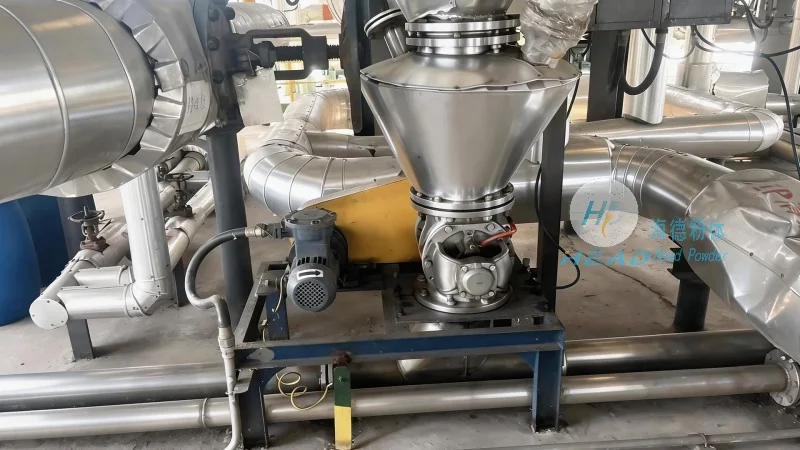
HeadPowder Engineering: A Leader in Pneumatic Conveying Solutions
Shandong HeadPowder Engineering Co., Ltd., commonly known as HeadPowder, is a prominent provider of advanced material handling systems. With a focus on innovation and precision engineering, the company specializes in designing and manufacturing pneumatic conveying equipment tailored to the unique demands of the plastics industry. HeadPowder's expertise lies in optimizing transport processes for polyethylene pellets, ensuring that clients achieve seamless material flow and reduced operational costs.
Key Features of Pneumatic Conveying Systems for Polyethylene Pellets
Pneumatic conveying systems for polyethylene pellets are engineered to handle the specific characteristics of this material, such as its density, flowability, and potential for static charge. The systems typically utilize air as the conveying medium, which allows for gentle and controlled movement of the pellets, minimizing breakage and contamination. Key features include adjustable air pressure and flow rates, which can be optimized based on the pellet size and transport distance. Additionally, the systems often incorporate filtration and separation components to maintain product purity and prevent equipment wear.
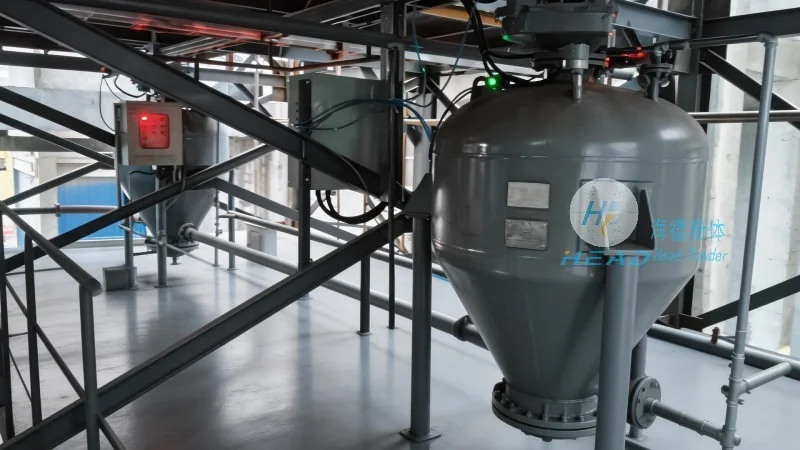
Optimization Strategies for Polyethylene Pellet Transport
Optimizing pneumatic conveying for polyethylene pellets involves several critical strategies. First, the design of the conveying line must consider the pellet size distribution and the required transport distance. HeadPowder engineers use computational fluid dynamics (CFD) and other simulation tools to model the flow and identify potential bottlenecks. Second, the selection of the right air velocity is crucial; too low a velocity may cause material settling, while too high a velocity can lead to excessive pressure drop and energy consumption. Third, the integration of static control measures, such as grounding and ionization systems, is essential to prevent static buildup that could affect product quality and equipment performance.
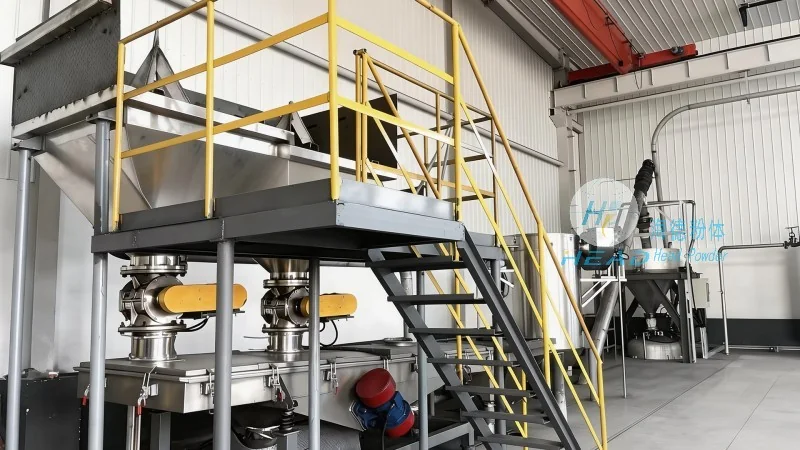
Benefits of Implementing Optimized Pneumatic Conveying Systems
The implementation of optimized pneumatic conveying systems for polyethylene pellets offers numerous benefits. These include improved product quality through reduced breakage and contamination, enhanced operational efficiency with lower energy consumption, and increased flexibility in handling varying production volumes. Additionally, the systems contribute to a safer working environment by minimizing manual handling of pellets and reducing the risk of dust explosions. For companies in the plastics industry, these advantages translate into higher productivity, lower maintenance costs, and a competitive edge in the market.
Conclusion and Contact Information
As the demand for efficient polyethylene pellet transport grows, the application and optimization of pneumatic conveying technology remain vital. Shandong HeadPowder Engineering Co., Ltd. continues to lead in providing tailored solutions that meet the evolving needs of the industry. By leveraging advanced engineering and a customer-centric approach, HeadPowder ensures that clients achieve reliable, cost-effective, and sustainable material handling systems. For more information about their pneumatic conveying solutions, please contact HeadPowder at their address in Shandong, China.