

[Efficient and Clean Iron Ore Fines Transport: An In-Depth Look at Pneumatic Conveying Technology]
For industries dealing with iron ore fines, the challenge of efficient and clean material transport is paramount. Traditional methods often struggle with dust, maintenance, and operational inefficiencies. Pneumatic conveying technology emerges as a superior solution, offering a clean, reliable, and efficient way to handle these fine particles. This article delves into the benefits and applications of pneumatic conveying for iron ore fines, highlighting how it transforms material handling processes.
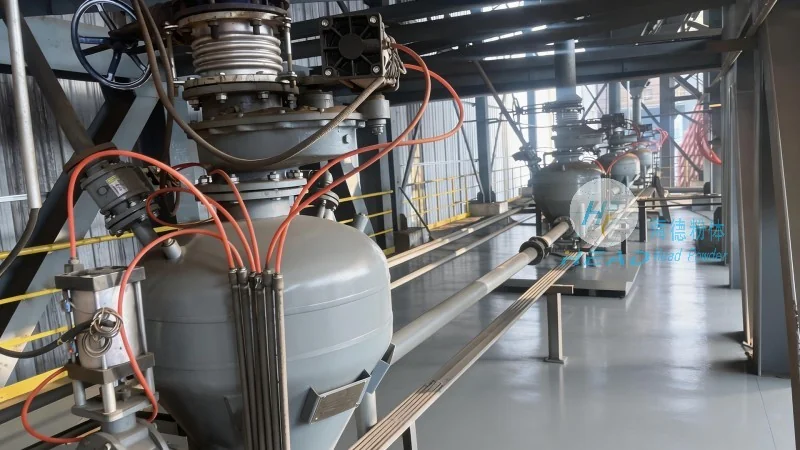
Understanding Pneumatic Conveying Systems
Pneumatic conveying systems utilize air or gas to transport bulk materials like iron ore fines through a network of pipes. These systems can be categorized into two main types: dilute phase and dense phase. Dilute phase systems use high-velocity air to move particles in a dispersed state, suitable for short to medium distances and low to moderate material loads. Dense phase systems, on the other hand, use lower air velocities and higher material concentrations, ideal for long-distance transport and sensitive materials. The choice between these systems depends on factors such as the distance, material characteristics, and required flow rate.
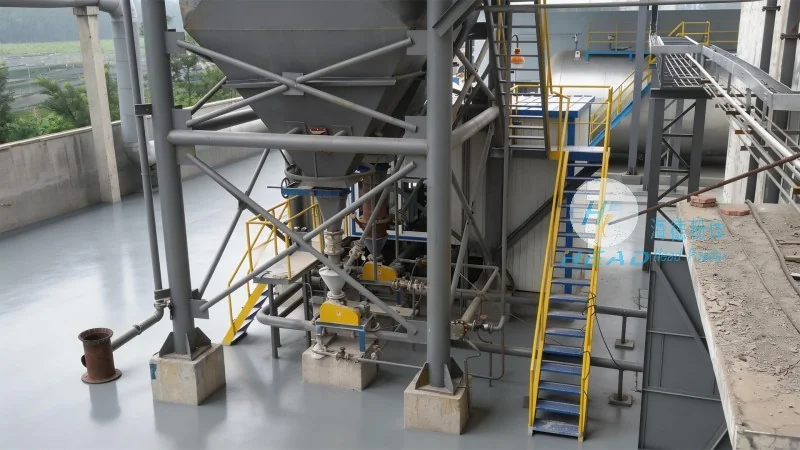
Key Advantages of Pneumatic Conveying for Iron Ore Fines
Implementing pneumatic conveying for iron ore fines offers several distinct advantages. Firstly, it provides a dust-free environment, which is crucial for maintaining workplace safety and compliance with environmental regulations. Unlike mechanical systems that generate significant dust, pneumatic conveying keeps the material contained within the pipeline, reducing airborne particulates. Secondly, it enhances operational efficiency by minimizing downtime and maintenance. The absence of moving parts in the conveying line reduces wear and tear, leading to lower maintenance costs and longer system lifespans. Thirdly, it enables precise control over material flow, allowing for accurate dosing and consistent product quality. This is particularly important in applications where uniformity is critical, such as in the production of pellets or sintering processes.
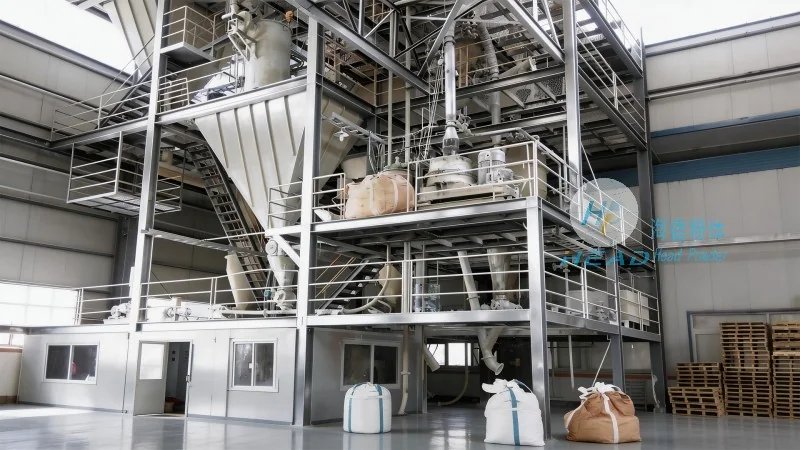
Application Examples in Iron Ore Processing
Pneumatic conveying is widely used in various stages of iron ore processing. In mining operations, it is employed to transport raw ore from stockpiles to processing plants, ensuring a continuous supply of material. During the crushing and grinding stages, pneumatic systems efficiently move fine particles to storage silos or further processing units. In the pelletizing process, the uniform transport of iron ore fines is essential to achieve consistent pellet quality. Pneumatic conveying also plays a role in the sintering process, where it helps in the precise delivery of raw materials to the sinter machine, optimizing the production of sintered ore. Additionally, in the transportation of finished products, such as iron ore pellets, pneumatic systems ensure that the material reaches its destination without degradation or contamination.
How Shandong HeadPowder Engineering Co., Ltd. Enhances Pneumatic Conveying Solutions
Shandong HeadPowder Engineering Co., Ltd., a leading provider of bulk material handling solutions, specializes in designing and manufacturing advanced pneumatic conveying systems tailored to the needs of iron ore processing industries. With years of experience and a deep understanding of material characteristics, the company offers customized solutions that optimize efficiency and reliability. HeadPowder engineers work closely with clients to assess their specific requirements, including the type and quantity of iron ore fines, the distance of transport, and the desired flow rate. This collaborative approach ensures that the final system is perfectly matched to the application, minimizing operational challenges and maximizing performance. The company’s expertise extends to the integration of control systems, ensuring that the pneumatic conveying process is monitored and controlled for optimal results. By leveraging cutting-edge technology and robust engineering, HeadPowder delivers solutions that not only meet but exceed industry standards.
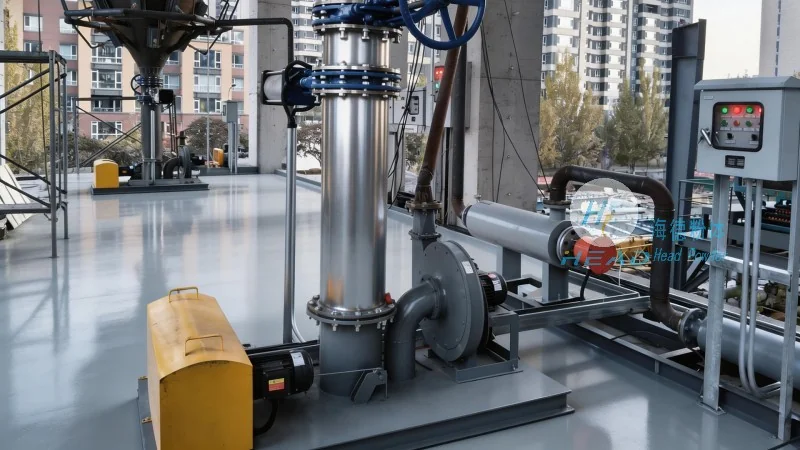
Conclusion: The Future of Iron Ore Fines Transport
As the demand for efficient and clean material handling in the iron ore industry continues to grow, pneumatic conveying technology stands out as a forward-thinking solution. Its ability to combine high efficiency with environmental responsibility makes it an ideal choice for modern processing facilities. Shandong HeadPowder Engineering Co., Ltd. remains at the forefront of this technology, providing innovative and reliable solutions that help clients achieve their operational goals. By investing in pneumatic conveying systems, iron ore processing plants can enhance productivity, reduce costs, and ensure sustainable operations. The future of iron ore fines transport is undoubtedly tied to the continued advancement and adoption of such efficient and clean technologies.