

[Efficient and Clean: The Air-Driven Solution for Limestone Transport - A Detailed Explanation of Pn
In the industrial sector, the efficient and clean transport of limestone is a critical operation that directly impacts production efficiency and operational costs. Traditional methods such as belt conveyors or bucket elevators often face challenges like material degradation, dust generation, and limited flexibility in handling varying particle sizes. To address these issues, pneumatic conveying technology has emerged as a superior alternative, offering a solution that not only enhances transport efficiency but also ensures a cleaner and more sustainable operation. This article delves into the principles, advantages, and practical applications of pneumatic conveying systems specifically designed for limestone transport, highlighting how they can transform industrial processes.

Understanding Pneumatic Conveying for Limestone Transport
Pneumatic conveying, also known as air-driven transport, utilizes compressed air to move bulk materials like limestone through a pipeline system. Unlike mechanical conveying methods, this technology eliminates the need for moving parts in contact with the material, reducing wear and tear and minimizing the risk of material contamination. The system typically consists of a hopper for material storage, a compressor to generate the air pressure, a pipeline network for material transport, and a receiver for the delivered material. The choice between positive pressure and negative pressure systems depends on the specific application requirements, with positive pressure being more common for limestone transport due to its ability to handle longer distances and varying particle sizes effectively.
Key Advantages of Pneumatic Conveying for Limestone
Implementing pneumatic conveying for limestone transport offers several distinct advantages that make it an attractive choice for industries such as cement production, mining, and chemical processing. Firstly, it significantly improves transport efficiency by allowing for continuous, high-volume material movement without the need for manual intervention or frequent maintenance stops. The ability to handle materials over long distances, often up to several kilometers, without intermediate storage or transfer points, streamlines the entire supply chain. Secondly, the technology is inherently clean, as the material remains enclosed within the pipeline, preventing dust emissions and minimizing environmental impact. This is particularly beneficial in compliance with modern environmental regulations and in maintaining a safe working environment for personnel. Thirdly, pneumatic conveying systems are highly flexible, capable of transporting limestone with varying particle sizes, from fine powders to large chunks, without the need for additional processing or separation steps. This versatility makes them suitable for diverse industrial applications where material characteristics may change over time.
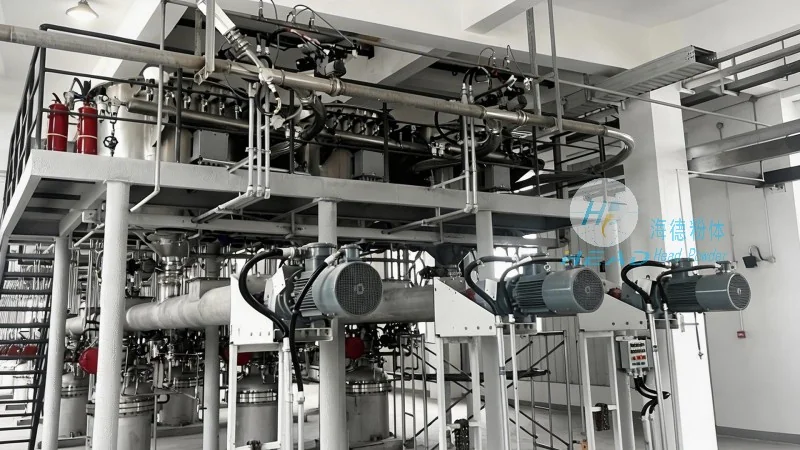
How Pneumatic Conveying Enhances Production Efficiency
The integration of pneumatic conveying systems into limestone transport processes directly contributes to enhanced production efficiency and cost reduction. By eliminating bottlenecks caused by traditional conveying methods, such as belt conveyors that may experience blockages or require frequent cleaning, the overall throughput of the system increases. The continuous flow of material ensures that downstream processes, such as grinding or mixing, receive a steady supply, preventing production delays and optimizing resource utilization. Additionally, the reduced maintenance requirements of pneumatic systems, due to the absence of moving parts, lower operational costs and downtime. The ability to transport limestone directly from storage to processing units without intermediate handling steps also minimizes material loss and degradation, preserving the quality of the raw material for subsequent industrial applications.
Case Study: Application in Cement Manufacturing
Shandong HeadPowder Engineering Co., Ltd., a leading provider of industrial conveying solutions, has successfully implemented pneumatic conveying systems in cement manufacturing plants. In one project, the company installed a positive pressure pneumatic conveying system to transport limestone from a storage silo to the raw material grinding department. The system was designed to handle limestone with particle sizes ranging from 0 to 50 mm, covering a distance of 2 kilometers. The implementation resulted in a 30% increase in material throughput compared to the previous belt conveyor system, while reducing dust emissions by over 80%. The system also required minimal maintenance, with a service interval of six months, significantly lowering operational costs. This case study exemplifies the effectiveness of pneumatic conveying in optimizing industrial processes and achieving sustainable operation.
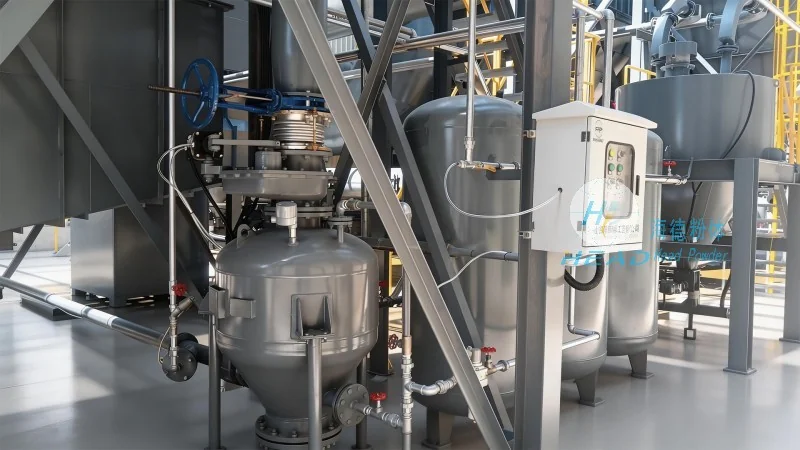
Customization and Scalability of Pneumatic Conveying Systems
One of the key strengths of pneumatic conveying systems is their ability to be customized and scaled according to specific industrial needs. Shandong HeadPowder Engineering Co., Ltd. offers tailored solutions that consider factors such as material characteristics, transport distance, and production capacity. The company’s engineers work closely with clients to design systems that meet their unique requirements, ensuring optimal performance and efficiency. Whether for small-scale applications or large industrial plants, the systems can be scaled up or down to accommodate varying production demands. This flexibility allows industries to invest in a conveying solution that grows with their operations, avoiding unnecessary upgrades or replacements in the future.
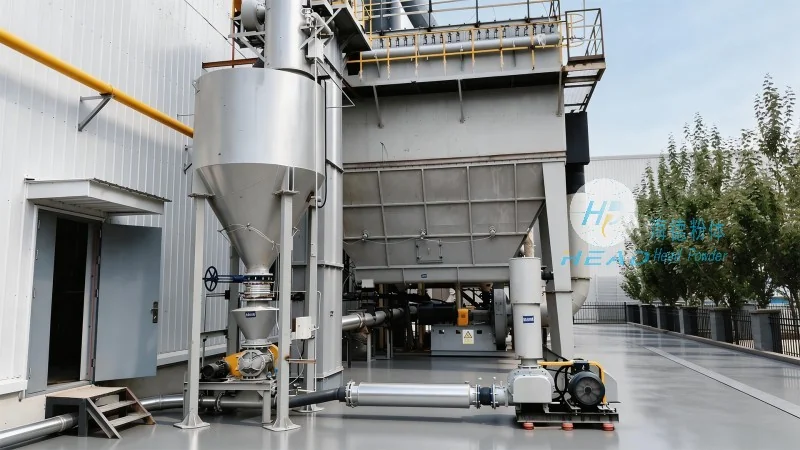
Environmental and Safety Benefits
In addition to operational efficiency, pneumatic conveying systems provide significant environmental and safety benefits. By enclosing the material in a pipeline, the system prevents dust from being released into the environment, reducing the risk of air pollution and complying with stringent environmental regulations. This is particularly important in regions with strict air quality standards. Furthermore, the enclosed system minimizes the exposure of personnel to dust and other airborne particles, enhancing workplace safety. The absence of moving parts also reduces the risk of mechanical failures or accidents, creating a safer working environment. These benefits make pneumatic conveying an attractive choice for industries that prioritize sustainability and employee safety.
Conclusion: The Future of Limestone Transport with Pneumatic Conveying
As industries continue to seek more efficient and sustainable solutions for material transport, pneumatic conveying technology stands out as a reliable and effective choice for limestone transport. The advantages of improved efficiency, reduced environmental impact, and enhanced safety make it a superior alternative to traditional conveying methods. With companies like Shandong HeadPowder Engineering Co., Ltd. providing specialized engineering and implementation services, industries can leverage this technology to optimize their operations and achieve long-term success. The future of limestone transport lies in the adoption of advanced pneumatic conveying systems, which not only meet current operational needs but also support the transition towards more sustainable industrial practices.