

Enhancing Activated Carbon Transport Efficiency: A Clean Solution with Pneumatic Conveying Technolog
Activated carbon is a critical material in various industrial processes, including air and water purification, chemical manufacturing, and environmental remediation. The efficient and clean transport of this material is essential for maintaining operational efficiency and compliance with environmental standards. Traditional methods like belt conveyors or manual handling often introduce dust, require extensive maintenance, and are less effective in handling fine powders. This article explores the benefits of pneumatic conveying technology as a superior alternative for transporting activated carbon, highlighting its advantages and practical applications.
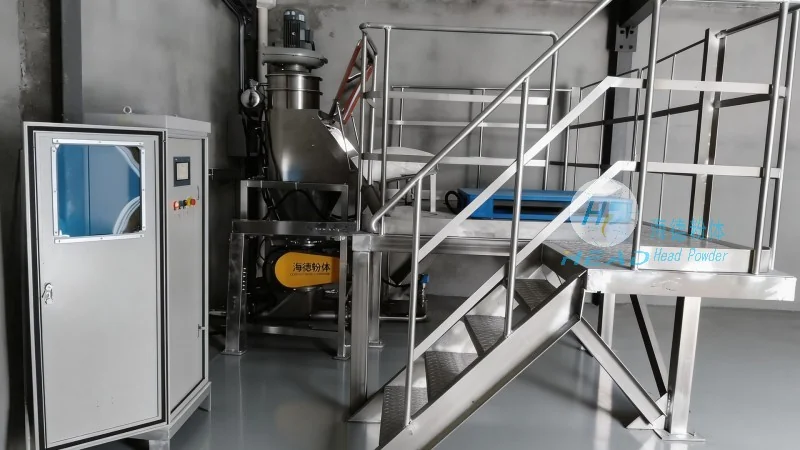
Introduction to Pneumatic Conveying for Activated Carbon
Pneumatic conveying systems use air or gas to transport bulk materials through a network of pipes. For activated carbon, this technology offers a clean, dust-free, and highly efficient method of movement. Unlike mechanical systems that can generate significant particulate emissions, pneumatic conveying minimizes environmental impact while ensuring consistent material flow. The technology is particularly well-suited for handling fine powders like activated carbon, which are prone to caking and segregation in traditional transport methods.
Key Advantages of Pneumatic Conveying Systems
One of the primary benefits of pneumatic conveying is its ability to maintain the purity and quality of activated carbon. By eliminating contact with external surfaces or contaminants, the system preserves the adsorption properties of the material, which is crucial for applications where performance is paramount. Additionally, pneumatic systems offer high transport rates, allowing for rapid material movement between processing stages. This efficiency reduces downtime and increases overall production capacity. The flexibility of pneumatic conveying also enables easy integration into existing industrial setups, with the ability to adjust flow rates and system configurations to meet specific operational needs.
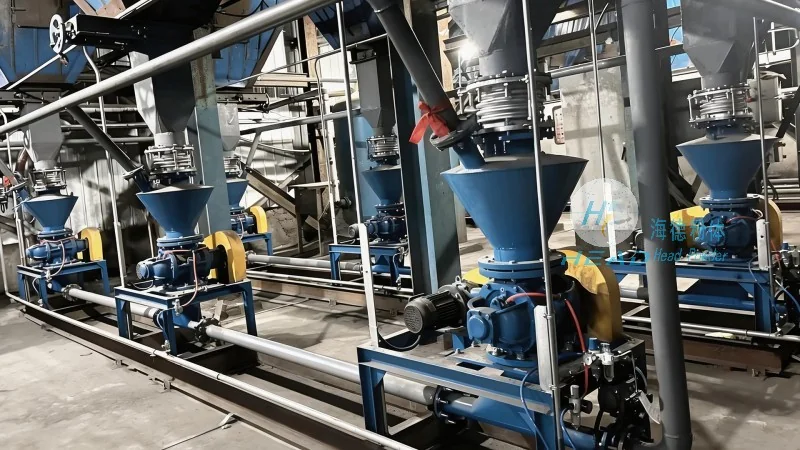
How Pneumatic Conveying Works
Pneumatic conveying systems typically operate on either positive or negative pressure principles. In positive pressure systems, air is forced through the material, pushing it along the pipeline. This method is effective for short to medium distances and can handle a wide range of particle sizes. Negative pressure systems, on the other hand, draw material into the system using a vacuum, which is ideal for longer distances or when transporting materials from multiple sources. The choice between these systems depends on factors such as the distance to be covered, the material's properties, and the desired flow rate. Both methods ensure that activated carbon is transported smoothly without degradation, maintaining its structural integrity and functional characteristics.
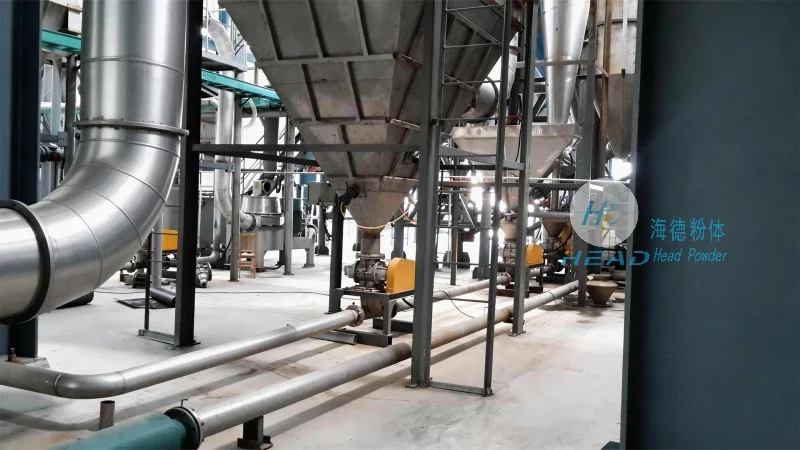
Benefits for Industrial Applications
The adoption of pneumatic conveying technology in industrial settings brings numerous advantages. For companies in the chemical and environmental sectors, the clean operation reduces the risk of contamination and simplifies regulatory compliance. The reduced need for manual handling also enhances workplace safety, minimizing exposure to dust and other airborne particles. Furthermore, the consistent flow provided by pneumatic systems improves process control, leading to more reliable and predictable outcomes in downstream applications. Whether used in large-scale production facilities or smaller processing plants, pneumatic conveying systems for activated carbon offer a scalable solution that adapts to varying production demands.
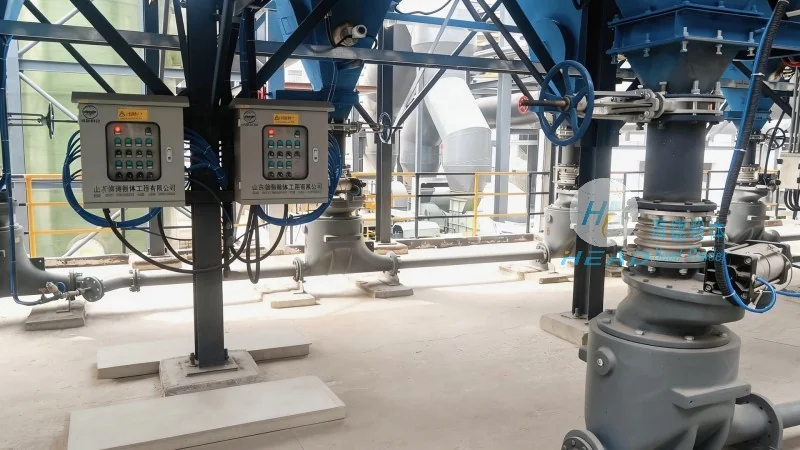
Company Profile: Shandong HeadPowder Engineering Co., Ltd.
Shandong HeadPowder Engineering Co., Ltd., a leading provider of bulk material handling solutions, specializes in designing and implementing advanced pneumatic conveying systems. With a focus on innovation and customer satisfaction, the company has developed expertise in tailoring systems to meet the unique requirements of activated carbon transport. HeadPowder's engineering team leverages decades of experience to deliver customized solutions that enhance efficiency, reduce operational costs, and ensure environmental compliance. The company's commitment to quality and reliability has made it a trusted partner for industries relying on activated carbon in their processes.
Address and Contact Information
Shandong HeadPowder Engineering Co., Ltd. is located in Shandong, China, providing a strategic base for serving clients across the region and beyond. The company's facilities are equipped with state-of-the-art technology and skilled personnel to support the design, manufacturing, and installation of pneumatic conveying systems. By choosing HeadPowder, businesses can benefit from a comprehensive approach to material handling, ensuring that their activated carbon transport operations are optimized for performance and sustainability.