

[Efficient and Clean Solid Powder Transport: An In-Depth Look at Pneumatic Conveying Technology]
For industries dealing with solid powders, the challenge of efficient and clean material transport is a critical concern. Traditional methods often struggle with issues like dust, clogging, and energy inefficiency. This is where pneumatic conveying technology emerges as a superior solution, offering a clean, efficient, and reliable way to handle solid powder transport. In this article, we explore the benefits and applications of pneumatic conveying systems, with a focus on how companies like Shandong HeadPowder Engineering Co., Ltd. leverage this technology to enhance operational efficiency.
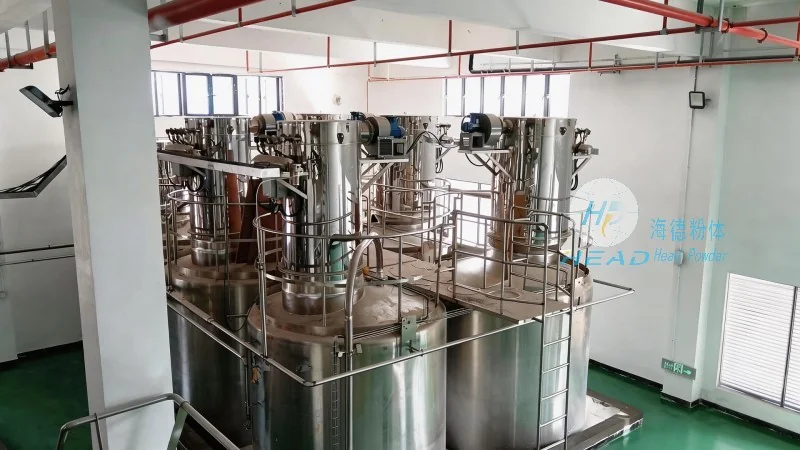
Understanding Pneumatic Conveying for Solid Powder Transport
Pneumatic conveying, also known as air conveying, is a method that uses compressed air or other gases to transport solid materials through a pipeline. This technology is particularly effective for handling fine powders, granules, and other dry bulk materials. Unlike mechanical conveying systems, which rely on belts, screws, or buckets, pneumatic conveying eliminates the need for direct contact between the material and the transport equipment, reducing wear and tear and minimizing the risk of contamination. The core principle involves creating a pressure differential within the pipeline, either by suction (negative pressure) or pressure (positive pressure), to move the material from the source to the destination.
The Advantages of Pneumatic Conveying Systems
One of the key advantages of pneumatic conveying is its ability to provide a clean and dust-free transport process. Unlike traditional methods that may generate significant dust and require extensive dust control measures, pneumatic systems keep the material enclosed within the pipeline, preventing environmental contamination and ensuring a safer working environment. Additionally, this technology offers high flexibility in system design, allowing for complex layouts and multiple transfer points without the need for extensive reconfiguration. The efficiency of pneumatic conveying also translates to energy savings, as it can operate with lower power consumption compared to some mechanical alternatives, especially for long-distance or high-volume transport.
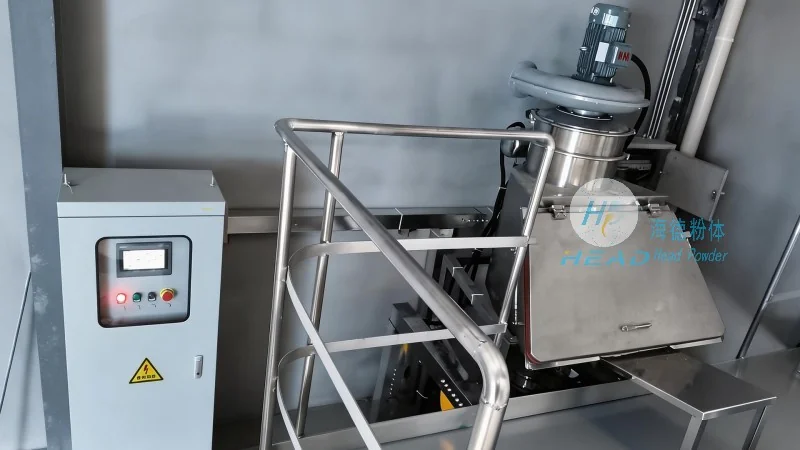
Applications in Various Industries
Pneumatic conveying technology finds applications across a wide range of industries, including pharmaceuticals, food processing, chemical manufacturing, and mining. In the pharmaceutical industry, for example, the hygienic design of pneumatic systems is crucial to maintain product purity and meet stringent regulatory standards. Similarly, in food processing, the ability to handle sensitive powders without contamination is essential. Chemical manufacturers benefit from the system's ability to handle abrasive or corrosive materials safely, while mining operations use pneumatic conveying to transport bulk materials over long distances with minimal environmental impact.
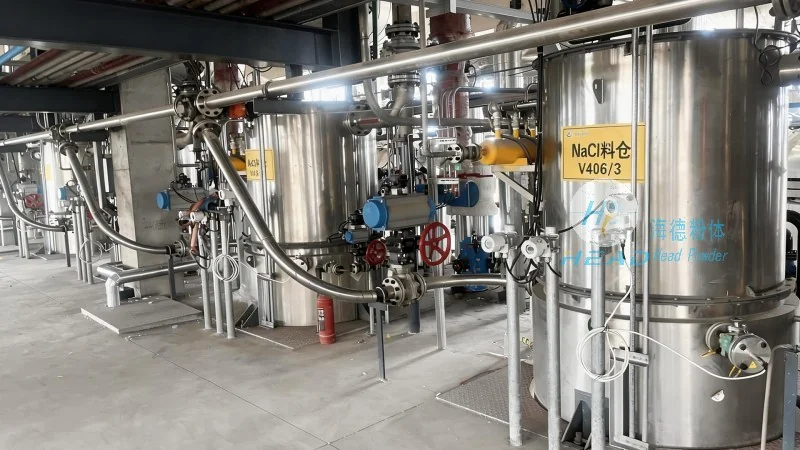
How Shandong HeadPowder Engineering Co., Ltd. Enhances Pneumatic Conveying Solutions
Shandong HeadPowder Engineering Co., Ltd., operating under the brand name headpowder, specializes in the design, manufacturing, and installation of advanced pneumatic conveying systems tailored to the specific needs of solid powder transport. With a strong presence in China, the company leverages its expertise to provide customized solutions that optimize efficiency and reduce operational costs for clients. By integrating cutting-edge technology and adhering to industry standards, headpowder ensures that its systems are reliable, durable, and compliant with safety and environmental regulations. The company's commitment to innovation and customer satisfaction has made it a trusted partner in the solid powder handling sector.
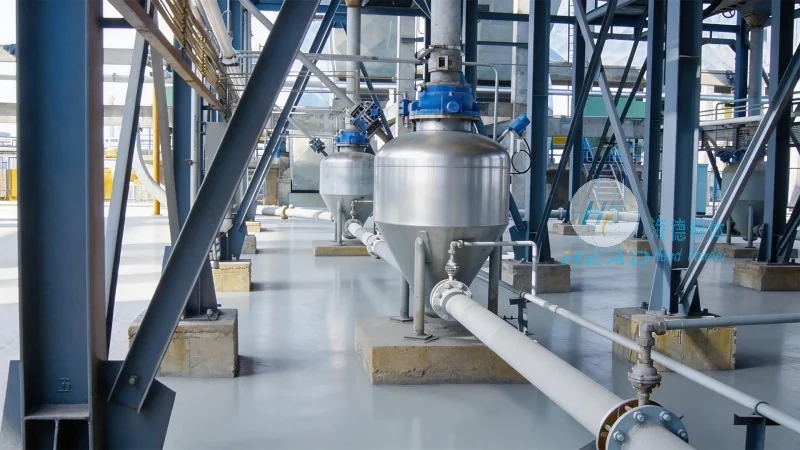
Key Considerations for Implementing Pneumatic Conveying
When implementing a pneumatic conveying system, several factors need to be considered to ensure optimal performance. The first is the type of material being transported, as different powders have varying properties that affect system design. For instance, fine powders may require higher air velocities to prevent clogging, while bulkier materials might need larger pipeline diameters. The distance and layout of the transport route also play a critical role, as longer distances may necessitate intermediate boosters or larger compressor capacity. Additionally, the system's integration with existing infrastructure and the need for maintenance and support services should be evaluated to ensure long-term operational efficiency.
Conclusion: The Future of Solid Powder Transport
As industries continue to demand more efficient and sustainable material handling solutions, pneumatic conveying technology remains a top choice for solid powder transport. With its ability to deliver clean, efficient, and flexible transport, this technology continues to evolve, incorporating advanced features such as variable speed drives, intelligent control systems, and real-time monitoring. Companies like Shandong HeadPowder Engineering Co., Ltd. are at the forefront of this evolution, providing innovative solutions that meet the growing needs of the solid powder handling industry. By choosing pneumatic conveying, businesses can enhance their operational efficiency, reduce costs, and contribute to a cleaner and more sustainable future.