

Enhancing Chromium(III) Oxide Transport Efficiency: A Clean Solution with Pneumatic Conveying Techno
Chromium(III) oxide, a critical material in various industrial applications, presents unique challenges when it comes to efficient and clean transportation. Traditional methods like manual handling or mechanical conveyors often fall short in maintaining product integrity and operational hygiene. This article explores how pneumatic conveying technology offers a superior solution to enhance the efficiency of chromium(III) oxide transport while ensuring a clean and safe process.
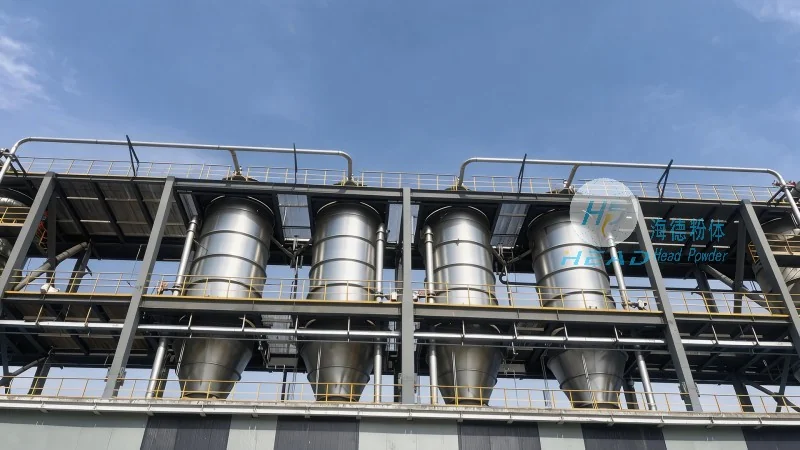
Understanding the Challenges of Chromium(III) Oxide Transport
Chromium(III) oxide, also known as chromium(III) oxide or Cr₂O₃, is widely used in industries such as ceramics, pigments, and electronics. Its fine powder form makes it susceptible to dust generation and agglomeration, which can complicate handling and increase the risk of contamination. Traditional transport methods, including bucket elevators or belt conveyors, may introduce friction and abrasion that degrade the material's quality. Additionally, these systems often require frequent cleaning and maintenance to prevent dust accumulation, leading to higher operational costs and environmental concerns.
Pneumatic Conveying: A Clean and Efficient Alternative
HeadPowder, a leading provider of specialized material handling solutions, recognizes the need for advanced transport technologies that address these challenges. Pneumatic conveying, a method that uses air or gas to move bulk materials through a pipeline, has emerged as a game-changer for chromium(III) oxide transport. Unlike mechanical systems, pneumatic conveyors eliminate direct contact between the material and equipment, reducing the risk of contamination and ensuring product purity. This technology is particularly suitable for handling fine powders like chromium(III) oxide, as it minimizes dust generation and maintains the material's integrity throughout the process.
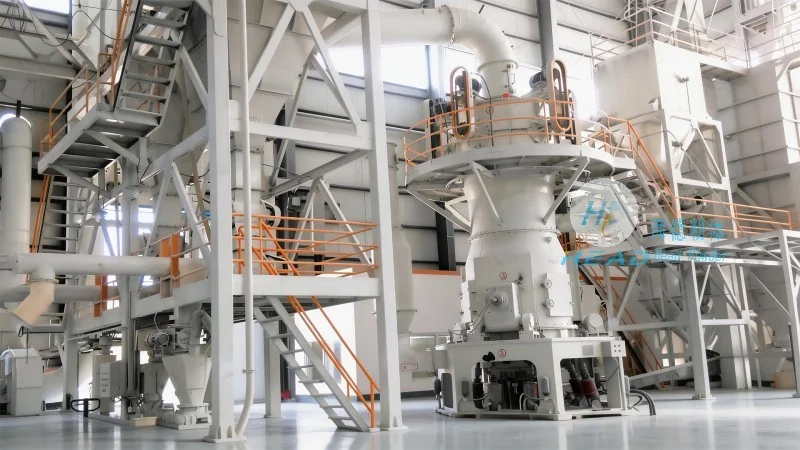
How Pneumatic Conveying Works for Chromium(III) Oxide
There are two primary types of pneumatic conveying systems used for chromium(III) oxide transport: positive pressure and negative pressure systems. Positive pressure systems use a blower to push air and material through the pipeline, while negative pressure systems use a vacuum to draw material into the system. Both methods are effective, but the choice depends on factors such as material characteristics, distance, and system layout. For chromium(III) oxide, positive pressure systems are often preferred due to their ability to handle fine powders without clogging and their lower maintenance requirements.
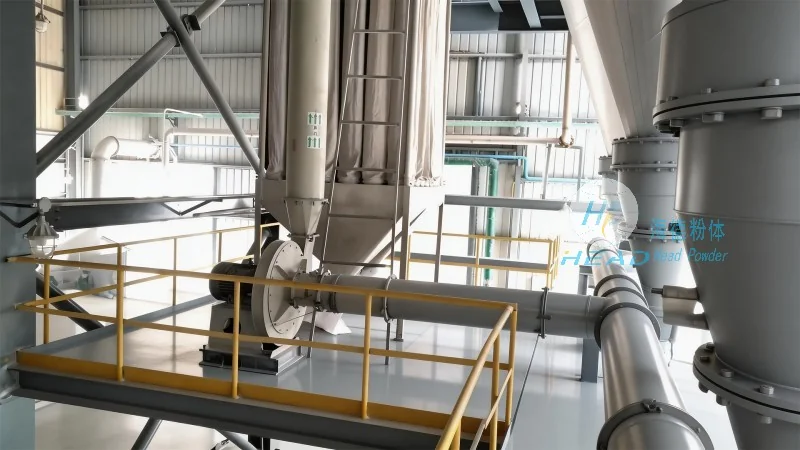
Key Advantages of Pneumatic Conveying for Chromium(III) Oxide
Implementing pneumatic conveying for chromium(III) oxide transport offers several key advantages. First, it significantly improves efficiency by reducing downtime and maintenance. The absence of moving parts in the conveying line minimizes wear and tear, leading to longer equipment life and lower operational costs. Second, the clean operation of pneumatic systems prevents cross-contamination, which is critical for applications where product purity is non-negotiable. Third, the technology allows for flexible system design, enabling integration with existing production lines without major modifications. Additionally, pneumatic conveying reduces labor costs by automating the material handling process, freeing up personnel for more critical tasks.
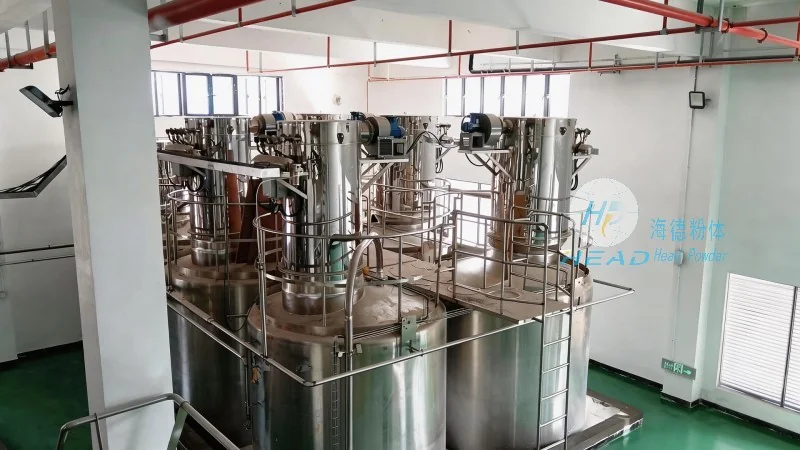
HeadPowder's Expertise in Pneumatic Conveying Solutions
As a company based in Shandong, China, HeadPowder Engineering Co., Ltd. specializes in developing customized pneumatic conveying systems tailored to the specific needs of chromium(III) oxide users. With years of experience in material handling, the company understands the unique properties of chromium(III) oxide and designs systems that optimize transport efficiency while maintaining the highest standards of cleanliness. HeadPowder's solutions are engineered to handle varying particle sizes and flow rates, ensuring consistent performance and reliability. The company's commitment to quality and innovation has made it a trusted partner for industries relying on chromium(III) oxide in their production processes.
Conclusion: Enhancing Efficiency with Clean Technology
In conclusion, pneumatic conveying technology provides a clean and efficient solution for enhancing the transport efficiency of chromium(III) oxide. By eliminating the limitations of traditional methods, this technology ensures product purity, reduces operational costs, and improves overall process reliability. For businesses seeking to optimize their chromium(III) oxide handling processes, pneumatic conveying offers a sustainable and effective approach. With HeadPowder's expertise and customized solutions, companies can achieve superior transport performance while maintaining the highest standards of cleanliness and safety.