

Preventing Dust Leakage in Pneumatic Conveying Systems for Gray Calcium Delivery
When it comes to handling gray calcium through pneumatic conveying systems, ensuring a dust-free operation is paramount. The process of transporting this material efficiently while maintaining environmental and operational standards requires careful consideration of system design and maintenance. Shandong HeadPowder Engineering Co., Ltd. specializes in providing solutions tailored to these challenges, with a focus on preventing dust leakage during the conveying of gray calcium.
Understanding the Challenges of Gray Calcium Conveying
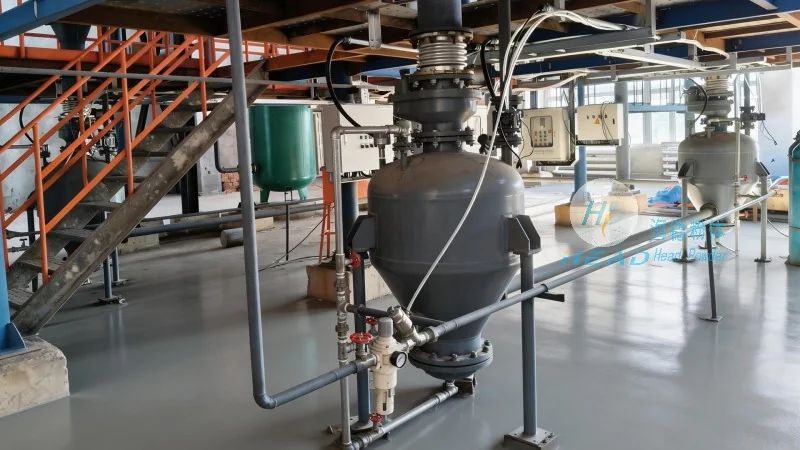
Gray calcium, often used in construction and industrial applications, presents unique challenges when handled via pneumatic systems. Its fine particle size and potential for static electricity can lead to increased dust generation and leakage if the system is not properly designed or maintained. The primary goal is to create a sealed environment that minimizes the escape of dust particles, protecting both personnel and the surrounding environment from contamination.
Key Components for Dust Prevention in Pneumatic Conveying
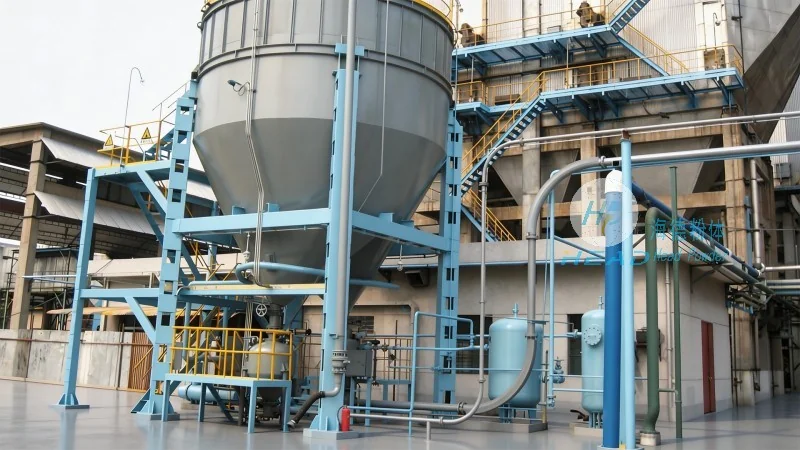
Several critical components contribute to effective dust control in pneumatic conveying systems for gray calcium. These include high-quality seals, appropriate filter systems, and robust material handling equipment. The seals at connection points, such as hoppers, pipelines, and discharge units, must be designed to withstand the pressure and material characteristics of gray calcium. Additionally, advanced filtration technologies, like bag filters or cartridge filters, are essential to capture any escaped particles before they reach the atmosphere.
System Design and Engineering Solutions by HeadPowder
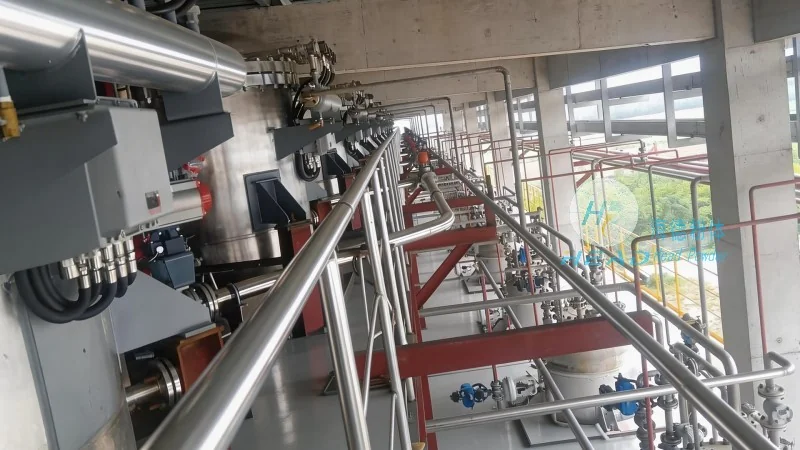
Shandong HeadPowder Engineering Co., Ltd. employs state-of-the-art engineering principles to design pneumatic conveying systems that effectively prevent dust leakage. Their expertise lies in customizing systems to meet the specific properties of gray calcium, ensuring optimal performance and minimal environmental impact. The company’s approach involves thorough analysis of material flow, pressure requirements, and potential points of leakage, leading to tailored solutions that enhance operational efficiency and compliance with safety regulations.
Maintenance and Operational Practices for Long-Term Dust Control
Preventing dust leakage is not a one-time setup but an ongoing process that requires regular maintenance and adherence to operational best practices. Regular inspections of seals, filters, and pipeline integrity are crucial to identify and address potential issues before they escalate. Additionally, proper grounding and anti-static measures can reduce the risk of static-induced dust explosions, further enhancing safety. By implementing a comprehensive maintenance schedule and training operators on proper system operation, companies can ensure the longevity and effectiveness of their dust prevention strategies.
Conclusion: Ensuring Safe and Efficient Gray Calcium Handling
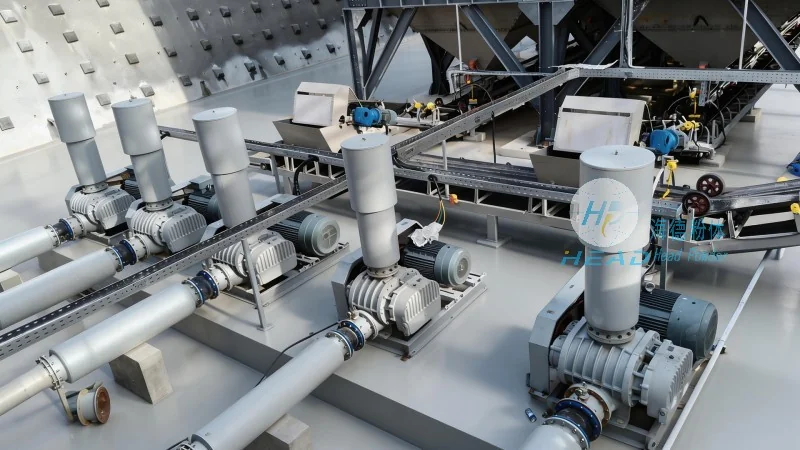
For industries relying on the efficient and safe delivery of gray calcium, the prevention of dust leakage in pneumatic conveying systems is a critical concern. Through advanced engineering, quality components, and diligent maintenance, companies like Shandong HeadPowder Engineering Co., Ltd. provide reliable solutions that meet both operational and environmental standards. By prioritizing dust control, businesses can protect their workforce, maintain compliance, and ensure the sustainability of their material handling processes.