

Preventing Dust Leakage in Pneumatic Conveying Systems for Zinc Oxide Powder
For industrial applications involving the handling of zinc oxide powder, the selection and maintenance of an effective pneumatic conveying system are critical to ensuring operational efficiency and safety. Zinc oxide, a fine powder with high dust potential, requires specialized equipment to minimize the risk of dust leakage and contamination. This article explores key strategies and components used by Shandong HeadPowder Engineering Co., Ltd. (headpowder) to prevent dust leakage during the pneumatic transport of zinc oxide powder.
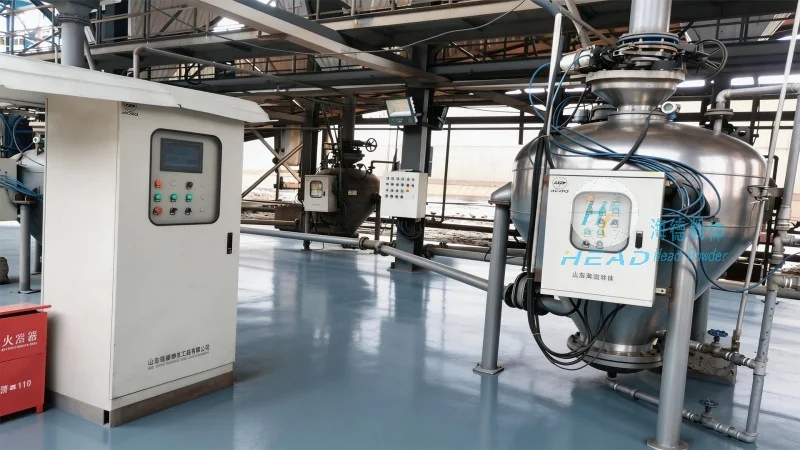
About HeadPowder: Expertise in Pneumatic Conveying Solutions
HeadPowder, headquartered in Shandong, China, is a leading provider of customized pneumatic conveying systems tailored to the unique challenges of handling fine powders like zinc oxide. With years of experience in the field, the company specializes in designing, manufacturing, and installing systems that prioritize dust containment and operational reliability. Their expertise lies in understanding the material properties of zinc oxide and selecting the appropriate conveying methods and equipment to mitigate dust leakage risks.
Key Design Considerations for Preventing Dust Leakage in Pneumatic Conveying
The prevention of dust leakage in pneumatic conveying systems for zinc oxide powder involves a combination of system design, material selection, and operational practices. One of the primary factors is the choice of conveying method. For zinc oxide, which is a fine and potentially abrasive powder, positive pressure systems are often preferred over negative pressure systems to reduce the risk of particle attrition and dust generation. The system design must also consider the pressure differentials and flow rates to ensure that the material is conveyed smoothly without creating excessive turbulence that could lead to dust release.
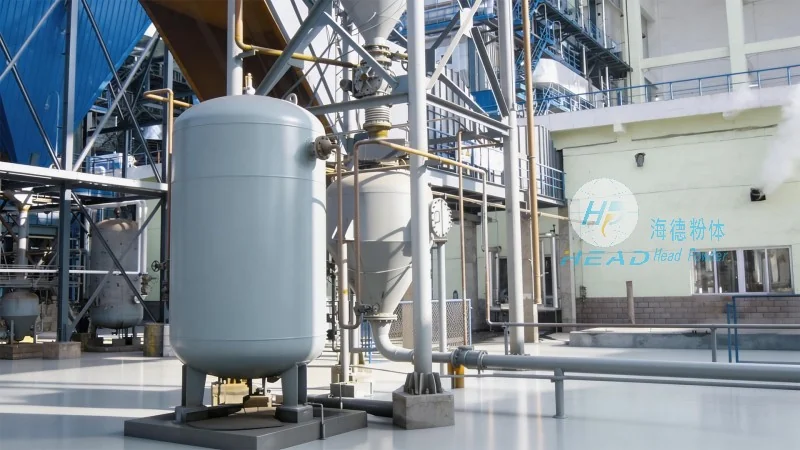
Another critical aspect is the selection of components that are resistant to wear and corrosion from zinc oxide. Materials such as stainless steel, special alloys, or coated parts are commonly used in the construction of hoppers, pipelines, and valves to prevent material buildup and leakage. The design of the hopper and inlet also plays a crucial role; proper venting and air seals are essential to maintain pressure integrity and prevent dust from escaping at the loading or discharge points.
Advanced Sealing and Connection Technologies to Minimize Leakage
Effective sealing is a cornerstone of preventing dust leakage in pneumatic conveying systems. HeadPowder employs advanced sealing technologies, including double-seal mechanisms and flexible connectors, to ensure that all joints and connections are airtight. These seals are designed to withstand the pressure and temperature variations associated with zinc oxide transport, reducing the risk of air leakage that could carry fine particles out of the system. Additionally, the use of flexible hoses and bellows in critical areas helps to accommodate thermal expansion and mechanical vibrations, maintaining a consistent seal over time.
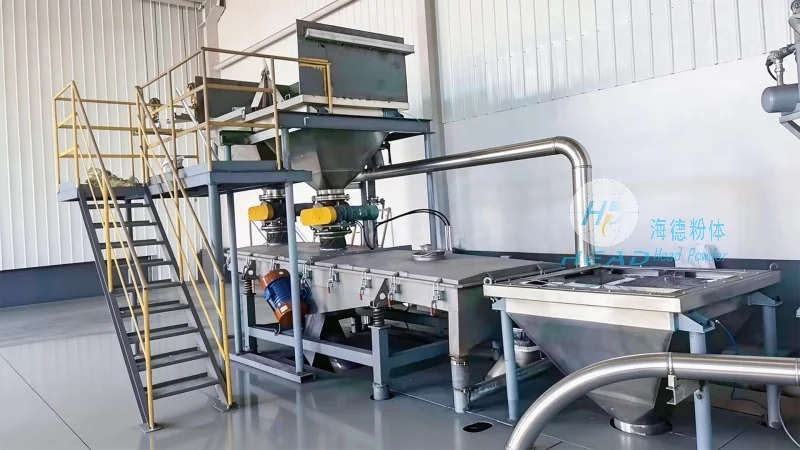
Regular Maintenance and Monitoring for Long-Term Dust Control
Even with the most advanced design, regular maintenance is essential to ensure the continued effectiveness of dust prevention measures. HeadPowder recommends routine inspections of seals, valves, and pipelines for signs of wear or damage. Monitoring equipment, such as pressure sensors and flow meters, can provide real-time data on system performance, allowing operators to detect potential issues before they lead to dust leakage. Additionally, cleaning procedures, including the use of vacuum systems or compressed air to clear residual powder from system components, are critical to maintaining the integrity of seals and preventing material buildup that could compromise the system's performance.
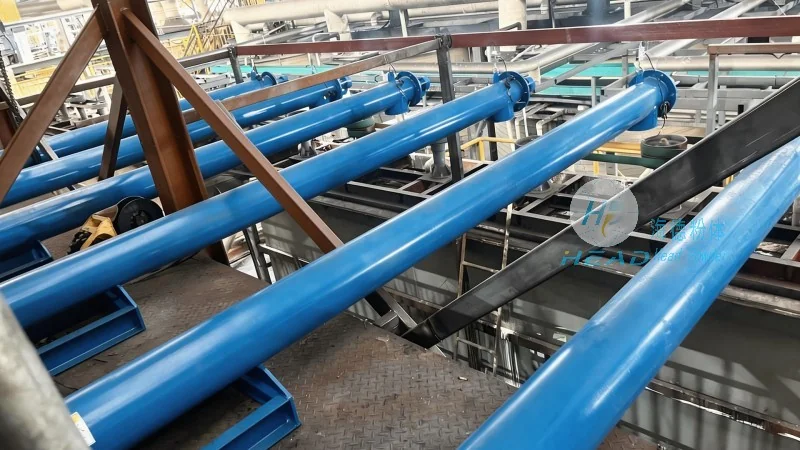
Case Study: Successful Implementation of Dust-Prevention Measures in a Zinc Oxide Production Facility
One of HeadPowder's recent projects involved the installation of a pneumatic conveying system for a zinc oxide production plant in China. The system was designed to transport fine zinc oxide powder from storage silos to processing equipment while minimizing dust leakage. By incorporating positive pressure conveying, advanced sealing systems, and regular maintenance protocols, the plant achieved a significant reduction in airborne dust levels, improving workplace safety and reducing product contamination. The success of this project highlights the importance of a comprehensive approach to dust control, combining system design expertise with ongoing maintenance and monitoring.
Conclusion: Ensuring Safe and Efficient Pneumatic Conveying of Zinc Oxide Powder
Preventing dust leakage in pneumatic conveying systems for zinc oxide powder requires a multi-faceted approach that addresses system design, component selection, and operational practices. Companies like Shandong HeadPowder Engineering Co., Ltd. leverage their expertise in material handling and pneumatic technology to develop customized solutions that meet the specific needs of their clients. By prioritizing dust containment through advanced sealing technologies, proper system design, and regular maintenance, industrial facilities can ensure the safe and efficient transport of zinc oxide powder while minimizing environmental and health risks. The combination of technical expertise and practical solutions offered by headpowder makes them a trusted partner for industries relying on the reliable handling of fine powders.