

Preventing Dust Leakage in Pneumatic Conveying Systems for Glass Microspheres
For industrial applications, the efficient and safe handling of bulk materials like glass microspheres is crucial. Pneumatic conveying systems offer a solution by transporting these materials through an enclosed pipeline using air pressure. However, when dealing with fine particles such as glass microspheres, a common challenge is dust leakage, which can lead to operational inefficiencies and safety hazards. This article explores effective strategies to prevent dust leakage in pneumatic conveying systems specifically for glass microspheres, presented by Shandong HeadPowder Engineering Co., Ltd.
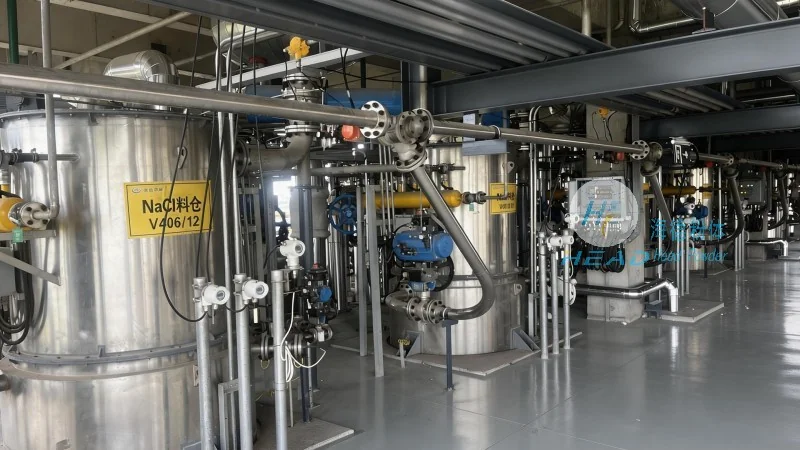
Understanding the Challenges of Glass Microspheres in Pneumatic Conveying
Glass microspheres are lightweight, spherical particles often used as fillers or lightweighting agents in various industries. Their fine particle size and low density make them prone to generating dust during handling. In pneumatic conveying systems, the high velocity of air and the abrasive nature of the particles can exacerbate dust generation. Dust leakage not only reduces material efficiency but also poses health risks to personnel and can contaminate the surrounding environment. Therefore, implementing robust dust control measures is essential for maintaining system performance and compliance with safety regulations.
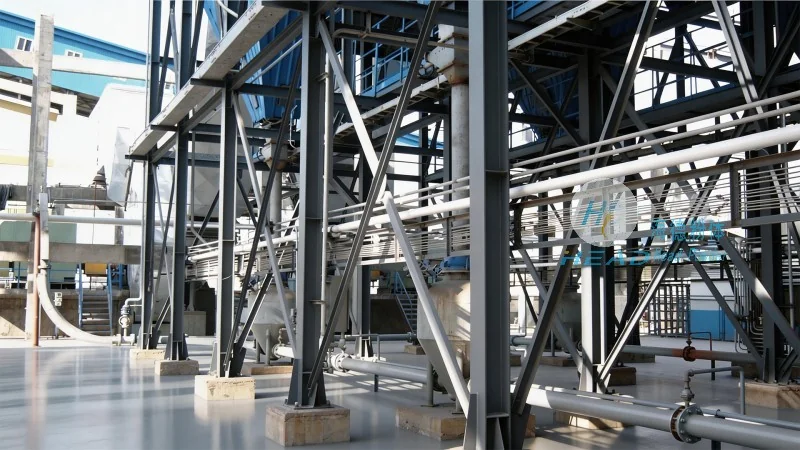
Key Factors Influencing Dust Leakage in Pneumatic Conveying
Several factors contribute to dust leakage in pneumatic conveying systems for glass microspheres. First, the design of the system components, such as the hopper and feeder, plays a critical role. If the hopper is not properly sealed or the feeder is not equipped with adequate sealing mechanisms, dust can escape during material loading. Second, the air velocity and pressure within the pipeline affect the particle flow. Excessive velocity can cause particles to be ejected from the system, leading to leakage. Third, the condition of the pipeline and fittings, including elbows and tees, can impact dust containment. Worn or improperly installed fittings may allow dust to seep through. Finally, the overall system layout and maintenance practices also influence dust leakage. Regular inspections and timely repairs are necessary to prevent the accumulation of wear and tear that could compromise dust control.
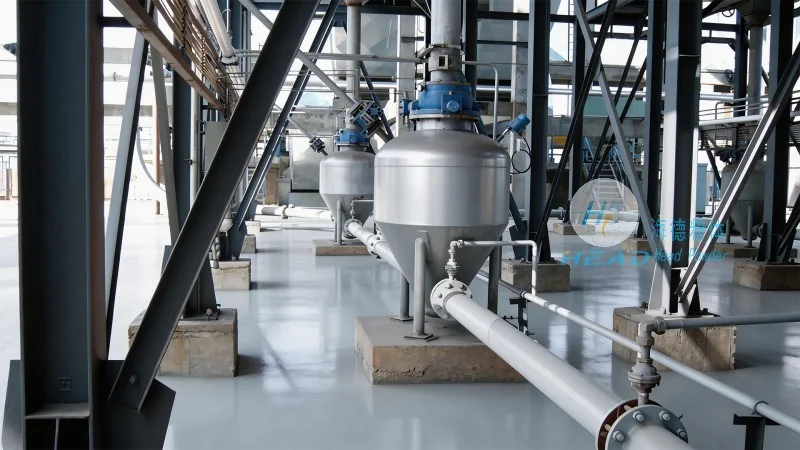
Effective Strategies to Prevent Dust Leakage
Shandong HeadPowder Engineering Co., Ltd. offers several effective strategies to mitigate dust leakage in pneumatic conveying systems for glass microspheres. One key approach is the use of high-quality sealing components. Properly designed hoppers with tight-fitting lids and integrated dust collection systems can significantly reduce dust escape during material loading. Additionally, the installation of airlocks and rotary valves at critical points in the system helps maintain a positive pressure environment, preventing external air from entering and carrying dust out. Another important strategy is the optimization of air velocity and pressure. By maintaining optimal air velocity, the system can efficiently transport the material without causing excessive particle ejection. This requires precise control of the blower or compressor and regular monitoring of system pressure. Furthermore, the use of anti-static materials and proper grounding can help prevent static buildup, which can attract dust particles and increase the risk of leakage. Regular maintenance, including cleaning of the pipeline and replacement of worn seals, is also essential to ensure the system operates at peak efficiency and maintains dust containment.
Case Study: Successful Implementation by Shandong HeadPowder
Shandong HeadPowder Engineering Co., Ltd. has successfully implemented dust control measures in various industrial applications. For example, a client in the construction industry required a pneumatic conveying system to transport glass microspheres for lightweight concrete production. The system was designed with a sealed hopper and integrated dust collection system, which reduced dust leakage by over 90% compared to traditional systems. The client reported improved material efficiency and reduced health and safety risks for their workers. Another case involved a client in the automotive industry using glass microspheres for composite materials. The system was optimized for air velocity and pressure, resulting in minimal dust generation and a clean working environment. These success stories demonstrate the effectiveness of Shandong HeadPowder's solutions in preventing dust leakage and enhancing the performance of pneumatic conveying systems for glass microspheres.
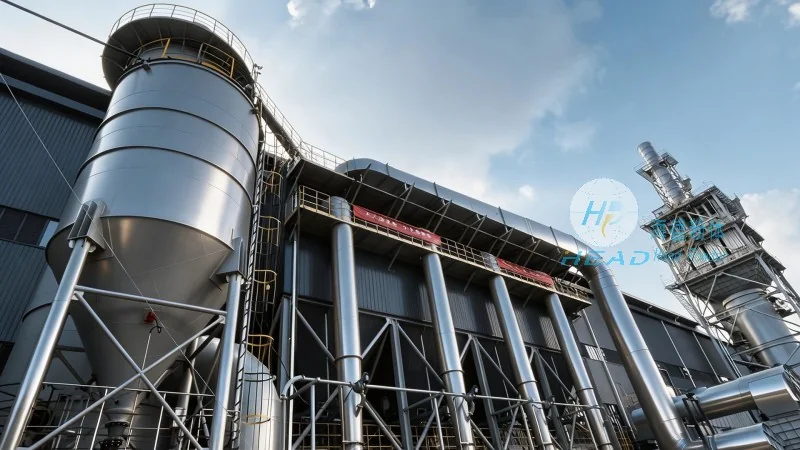
Conclusion and Recommendations
Preventing dust leakage in pneumatic conveying systems for glass microspheres is a critical aspect of efficient material handling. By understanding the key factors influencing dust leakage and implementing effective strategies, such as proper sealing, optimized air flow, and regular maintenance, industrial operations can achieve significant improvements in system performance and safety. Shandong HeadPowder Engineering Co., Ltd. provides comprehensive solutions tailored to the specific needs of clients, ensuring that their pneumatic conveying systems operate efficiently and safely. For industries dealing with glass microspheres, investing in robust dust control measures is not only a regulatory requirement but also a strategic investment in operational excellence and worker safety.