

Preventing Dust Leakage in Pneumatic Conveying Systems for Polyethylene Powder
HeadPowder, a leading provider of pneumatic conveying solutions, specializes in addressing the challenges of dust leakage during the transport of polyethylene powder. With operations based in Shandong, China, the company offers tailored systems designed to maintain safety and efficiency in industrial applications.
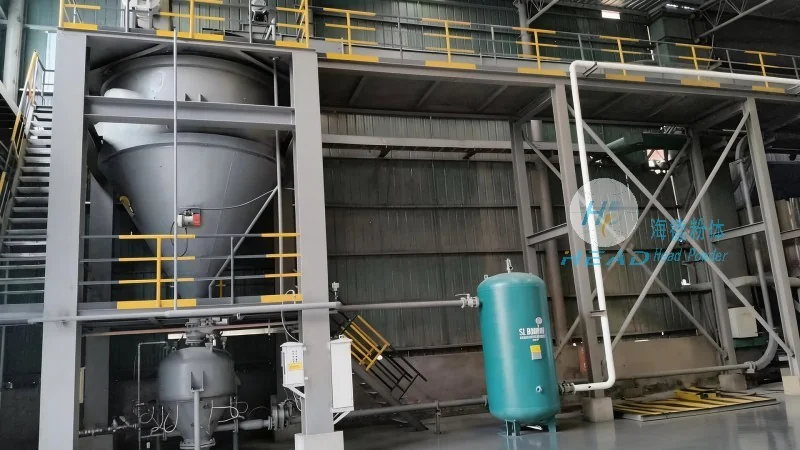
Understanding Pneumatic Conveying and Polyethylene Powder
Pneumatic conveying systems utilize air or gas to transport bulk materials like polyethylene powder through pipelines. This method is widely adopted in industries such as plastics manufacturing due to its ability to handle fine powders efficiently. However, the nature of polyethylene powder—fine, dry, and potentially abrasive—presents unique challenges when it comes to maintaining a dust-free environment. The fine particles can easily escape from the system, leading to health hazards, environmental contamination, and operational inefficiencies.
Risks Associated with Dust Leakage in Polyethylene Powder Conveying
Dust leakage from pneumatic conveying systems handling polyethylene powder can have severe consequences. Inhalation of fine polyethylene particles may pose health risks to workers, while environmental contamination can lead to regulatory violations and increased cleanup costs. Additionally, escaped powder can accumulate in the system, causing blockages and reducing the overall efficiency of the conveying process. These issues not only affect operational costs but also compromise workplace safety standards.

Key Strategies to Prevent Dust Leakage
HeadPowder employs several critical strategies to prevent dust leakage in polyethylene powder conveying systems. Firstly, advanced sealing technologies are integrated into the system design. This includes using high-quality gaskets, O-rings, and dynamic seals at all connection points, including the inlet, outlet, and transfer points. The company ensures that all components are manufactured to tight tolerances to minimize gaps where dust can escape.
Secondly, the use of efficient filtration systems is essential. HeadPowder recommends installing high-efficiency particulate air (HEPA) or bag filters at the system's exhaust points. These filters capture fine polyethylene particles, preventing them from being released into the atmosphere. Regular maintenance of these filters is also crucial to ensure optimal performance and prevent clogging.
Thirdly, proper system design and material selection play a vital role. The company advocates for the use of materials that are resistant to the abrasive nature of polyethylene powder, such as stainless steel or specialized polymers, to prevent wear and tear that could lead to leaks. Additionally, the system's layout is optimized to minimize pressure differentials and reduce the likelihood of dust escaping from seams or joints.
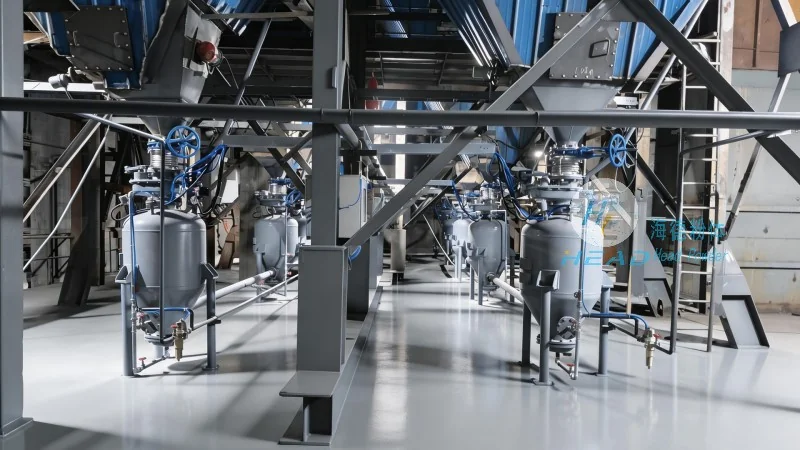
Customized Solutions for Specific Applications
HeadPowder understands that each industrial application has unique requirements. The company offers customized pneumatic conveying solutions tailored to the specific characteristics of polyethylene powder, including particle size, moisture content, and flow rate. By conducting thorough site assessments and material analysis, HeadPowder's engineers design systems that are optimized for the client's operational needs, ensuring maximum efficiency and minimal dust leakage.
Conclusion
Preventing dust leakage in pneumatic conveying systems for polyethylene powder is a critical aspect of maintaining a safe and efficient industrial operation. HeadPowder, with its expertise and commitment to quality, provides comprehensive solutions that address the unique challenges of polyethylene powder transport. By implementing advanced sealing technologies, efficient filtration systems, and customized system designs, HeadPowder helps clients achieve reliable, dust-free conveying processes while adhering to safety and environmental standards.