

Choosing Between Positive Pressure and Negative Pressure for Dust Collection System Conveying: How t
Dust collection system conveying is a critical component in industrial operations, especially in environments where airborne particulates need to be managed efficiently. The choice between positive pressure and negative pressure conveying systems can significantly impact operational efficiency, safety, and cost-effectiveness. This article aims to provide a comprehensive guide to help industrial professionals understand the differences between these two conveying methods and make an informed decision based on specific operational requirements.
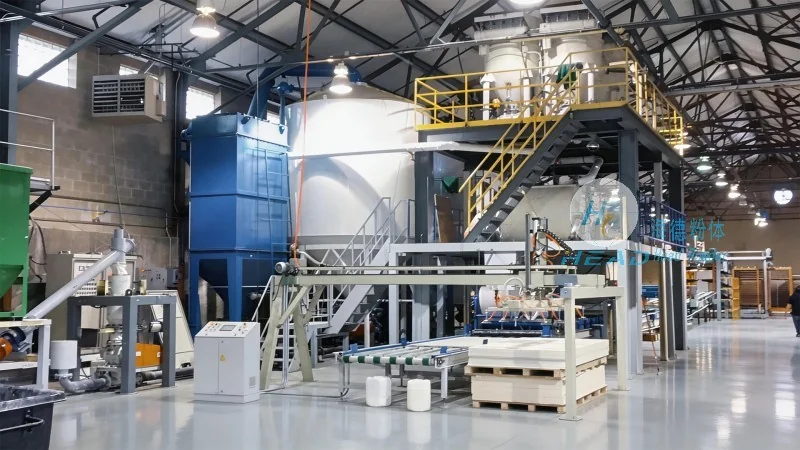
Understanding the Basics of Dust Collection Conveying Systems
In industrial settings, dust collection systems are designed to capture and transport particulate matter from various sources, such as manufacturing processes, processing equipment, or environmental sources. The conveying system is responsible for transporting the collected dust from the collection point to the disposal or treatment facility. Two primary methods are widely used: positive pressure conveying and negative pressure conveying. Each method operates on a different principle, offering distinct advantages and limitations that must be considered when selecting the appropriate system for a specific application.
Positive Pressure Conveying Systems
Positive pressure conveying systems operate by generating a higher pressure within the conveying line than the ambient air pressure. This is typically achieved by using a positive displacement blower or a high-pressure air compressor. The high-pressure air forces the dust particles to move through the pipeline, carrying them from the source to the destination. This method is often referred to as "blow-through" or "pressure-fed" conveying.
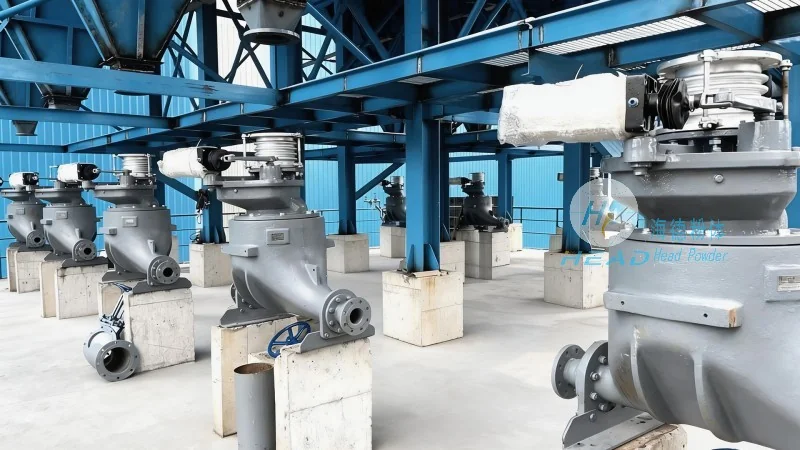
One of the key advantages of positive pressure systems is their ability to handle abrasive and sticky materials. The high pressure ensures that the material is pushed through the pipeline, reducing the risk of blockages caused by material buildup. Additionally, positive pressure systems are generally more suitable for long-distance conveying and can handle materials with higher moisture content. However, they may require more robust equipment and higher energy consumption compared to negative pressure systems.
Negative Pressure Conveying Systems
Negative pressure conveying systems, also known as vacuum conveying systems, operate by creating a lower pressure within the conveying line compared to the ambient air pressure. This is typically achieved by using a vacuum pump or a fan that draws air and dust particles into the system. The vacuum pulls the material through the pipeline from the source to the collection point. This method is often referred to as "suction" or "vacuum-fed" conveying.
One of the main advantages of negative pressure systems is their lower energy consumption and reduced noise levels compared to positive pressure systems. They are also more suitable for handling fine and dry powders, as the vacuum helps to maintain the material's flow characteristics. However, negative pressure systems may be less effective for conveying abrasive or sticky materials, as the lower pressure can lead to material buildup and blockages in the pipeline. Additionally, they may require more frequent maintenance due to the higher risk of dust accumulation in the system.
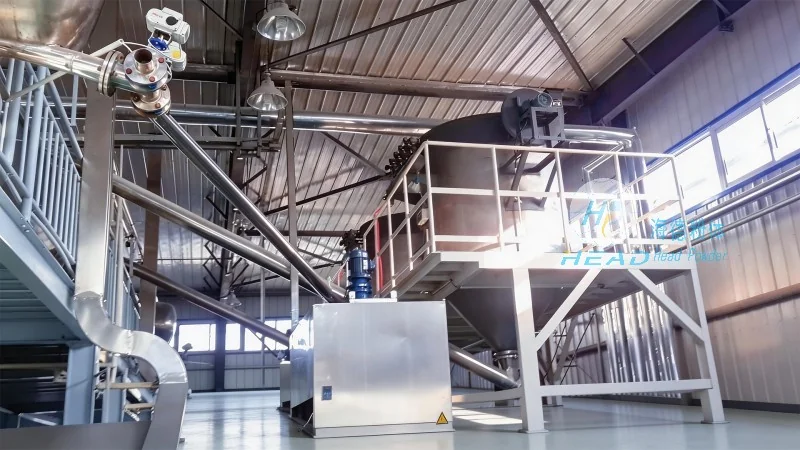
Distinguishing Between Positive and Negative Pressure Conveying
When deciding between positive and negative pressure conveying systems, several factors need to be considered. The first and most important factor is the nature of the material being conveyed. For example, if the material is abrasive or sticky, a positive pressure system may be more suitable due to its ability to handle such materials effectively. Conversely, if the material is fine and dry, a negative pressure system may be more appropriate due to its lower energy consumption and better handling of fine powders.
Another critical factor is the distance and layout of the conveying system. Positive pressure systems are generally more suitable for long-distance conveying, as the high pressure can maintain the material's flow over longer distances. Negative pressure systems, on the other hand, may be more suitable for shorter distances or when the system layout is more complex, as the vacuum can effectively pull material through the pipeline without the need for high-pressure equipment.
The cost of equipment and maintenance is also an important consideration. Positive pressure systems typically require more robust and expensive equipment, such as high-pressure blowers, which may increase the initial investment cost. However, they may have lower maintenance costs due to the reduced risk of material buildup. Negative pressure systems, while generally less expensive to purchase, may require more frequent maintenance due to the higher risk of dust accumulation and blockages.
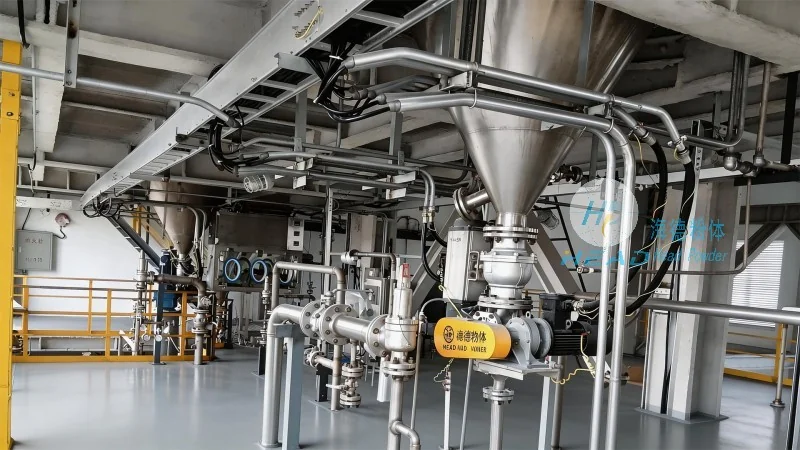
Finally, safety considerations should be taken into account. Positive pressure systems are generally considered safer for handling hazardous materials, as the high pressure prevents the material from escaping into the environment. Negative pressure systems, while effective for capturing dust, may pose a risk of dust exposure if the system is not properly sealed or maintained.
Conclusion
Choosing between positive pressure and negative pressure conveying systems for dust collection applications requires a thorough understanding of the material characteristics, conveying distance, and operational requirements. Positive pressure systems offer advantages in handling abrasive and sticky materials and long-distance conveying, while negative pressure systems are more suitable for fine powders, lower energy consumption, and shorter distances. By carefully evaluating these factors, industrial professionals can select the most appropriate conveying system to ensure efficient and safe dust management in their operations.