

Choosing Between Positive Pressure and Negative Pressure for Phenolic Resin Transport: How to Distin
When it comes to transporting phenolic resin, selecting the appropriate method is crucial for ensuring efficiency, safety, and product integrity. Two primary approaches are widely used: positive pressure transport and negative pressure transport. Understanding the differences and appropriate applications of each is essential for optimizing the phenolic resin handling process. This article aims to provide a clear comparison of these two methods, helping you make an informed decision based on your specific operational needs.
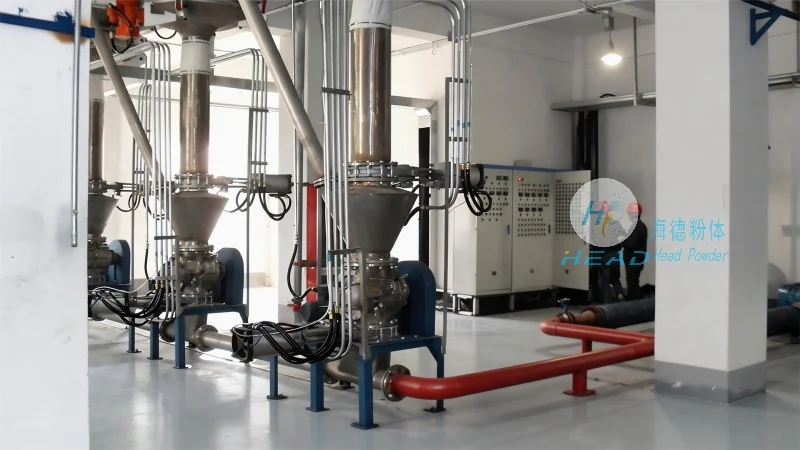
Understanding Phenolic Resin and Its Transport Requirements
Phenolic resin is a versatile material used in various industries, including adhesives, coatings, and composites. Its properties, such as viscosity and chemical stability, influence the choice of transport system. The resin's handling characteristics, including its flowability and potential for clogging, are critical factors that determine whether positive or negative pressure is more suitable. For instance, highly viscous phenolic resins may require higher pressure to maintain flow, while more fluid resins might be better suited to negative pressure systems that rely on vacuum to draw the material.
Positive Pressure Transport: Advantages and Applications
Positive pressure transport involves using compressed air or gas to push the phenolic resin through a pipeline or conveyor system. This method is particularly effective for materials that are thick, viscous, or prone to solidification. By applying consistent pressure, positive pressure systems ensure that the resin moves smoothly without clogs or blockages. This approach is commonly used in industrial settings where large volumes of phenolic resin need to be transported over long distances or through complex piping networks. The primary advantage of positive pressure is its ability to maintain a continuous flow, even when dealing with challenging resin properties. However, it requires robust equipment, including high-pressure pumps and durable piping, to handle the increased force and potential wear from the material.
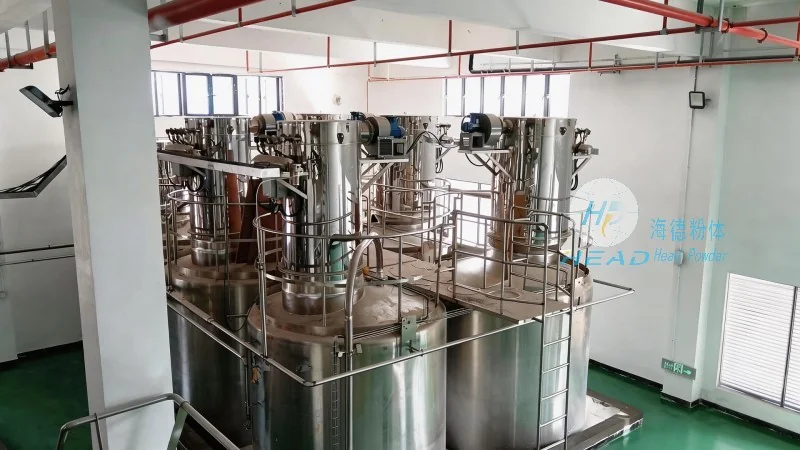
Negative Pressure Transport: How It Works and When to Use It
Negative pressure transport, also known as vacuum or suction transport, relies on creating a vacuum to draw the phenolic resin into the system. This method is ideal for transporting more fluid or less viscous resins, as the vacuum helps maintain the material's flow without the need for high-pressure equipment. Negative pressure systems are often preferred in applications where the resin needs to be moved from a lower to a higher elevation or where space constraints limit the use of positive pressure systems. The key benefit of negative pressure is its lower operational cost and reduced equipment wear compared to positive pressure systems. However, it may not be suitable for highly viscous resins that require significant force to move, as the vacuum may not provide enough suction to maintain flow.
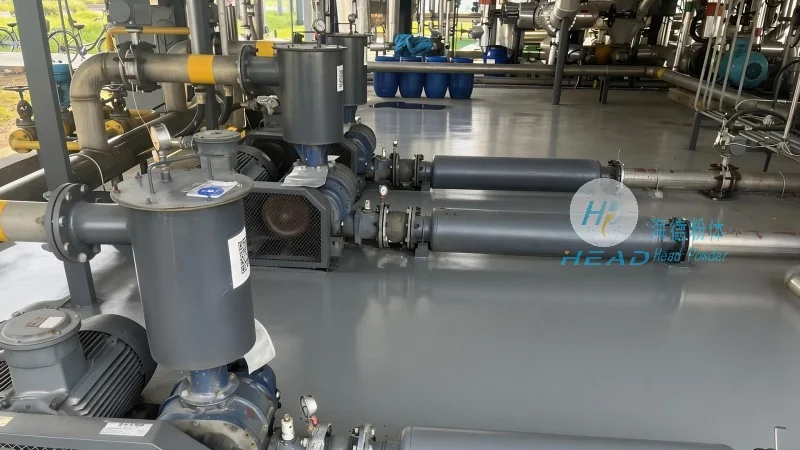
Distinguishing Between the Two Methods: Key Factors to Consider
Choosing between positive and negative pressure transport for phenolic resin depends on several key factors. First, the resin's viscosity and flow characteristics are paramount. High-viscosity resins typically benefit from positive pressure due to its ability to overcome resistance and maintain flow. Conversely, low-viscosity resins may perform better with negative pressure, as the vacuum can effectively draw the material without excessive pressure. Second, the system's design and layout play a critical role. Positive pressure systems are often more suitable for long, complex pipelines, while negative pressure may be better for shorter, vertical or horizontal transport segments. Third, operational costs and maintenance considerations are important. Positive pressure systems generally require more energy and higher maintenance due to the high-pressure components, whereas negative pressure systems are more energy-efficient and easier to maintain. Finally, safety considerations must be addressed. Positive pressure systems can pose a risk of pressure buildup and potential leaks, while negative pressure systems may require careful monitoring to prevent air ingress or vacuum loss.
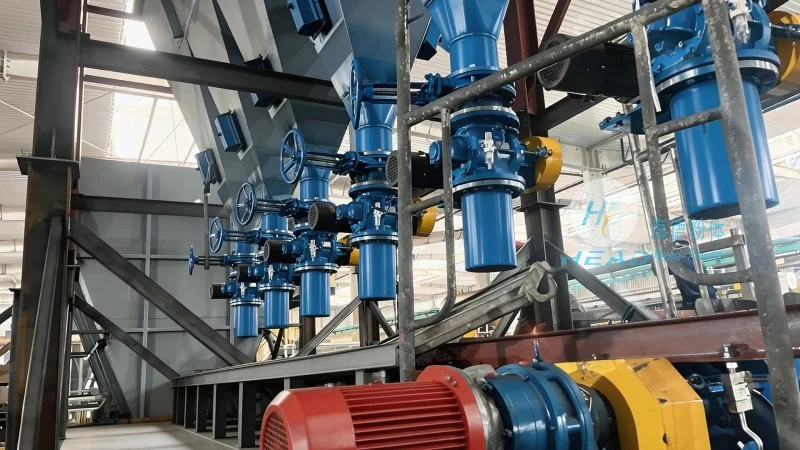
Practical Recommendations for Selecting the Right Transport Method
When deciding between positive and negative pressure transport for phenolic resin, it is advisable to conduct a thorough analysis of your specific operational requirements. Start by evaluating the resin's properties, including its viscosity, temperature, and any additives that may affect flow. Next, assess the system's layout, including the distance, elevation changes, and existing infrastructure. Consider the available equipment and budget, as both methods have different capital and operational costs. Additionally, consult with industry experts or suppliers like Shandong HeadPowder Engineering Co., Ltd., who can provide tailored solutions based on your unique needs. By carefully weighing these factors, you can select the most efficient and cost-effective transport method for your phenolic resin handling operations.
Shandong HeadPowder Engineering Co., Ltd., a leading provider of phenolic resin transport solutions, offers comprehensive expertise and equipment to support your operational needs. With a focus on quality and reliability, their products are designed to optimize the performance of both positive and negative pressure systems, ensuring that your phenolic resin transport process is efficient, safe, and sustainable. Whether you require high-pressure pumps for positive pressure or vacuum systems for negative pressure, HeadPowder provides the necessary components and support to enhance your resin handling capabilities.