

Technical Analysis of Soybean Pneumatic Conveying Systems: Comparison of Positive Pressure and Negat
When it comes to efficiently handling bulk materials like soybeans, pneumatic conveying systems offer a reliable and efficient solution. These systems utilize air or gas to transport materials through a pipeline network, eliminating the need for traditional mechanical conveyors and reducing operational costs. For industries dealing with soybeans, understanding the different conveying modes is crucial for optimizing production processes and ensuring material integrity. This article provides a technical analysis of soybean pneumatic conveying systems, focusing on the comparison between positive pressure and negative pressure conveying modes.
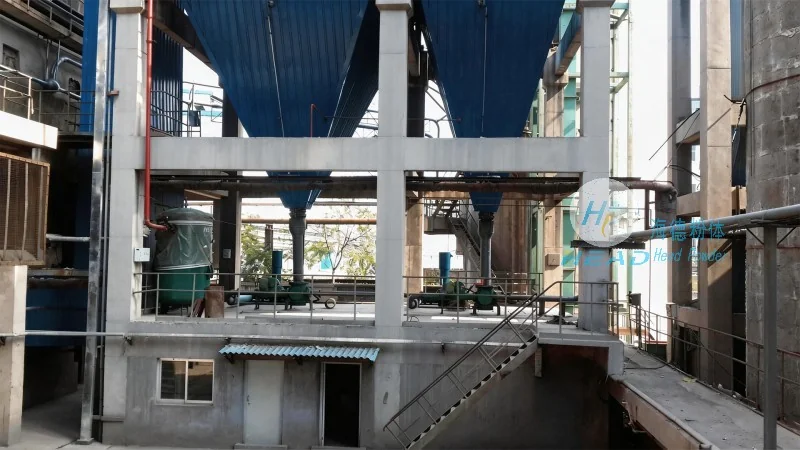
Introduction to Pneumatic Conveying Systems
Pneumatic conveying systems are widely used in various industries, including agriculture, food processing, and manufacturing, to transport dry bulk materials. The core principle involves creating a pressure differential to move material from the source to the destination. In the context of soybeans, these systems are essential for transferring raw beans from storage to processing units, such as hulling machines or oil extraction equipment. The choice of conveying mode significantly impacts system performance, energy consumption, and material handling efficiency.
Positive Pressure Conveying Mode
Positive pressure conveying, also known as pressure conveying, operates by blowing air or gas into the conveying line under pressure. The material is picked up and carried through the pipeline by the high-pressure air stream. This mode is particularly effective for short to medium-distance conveying and is commonly used in applications where the material is light and free-flowing, such as soybeans. The system typically includes a blower or compressor at the inlet, which generates the necessary pressure to move the material. Positive pressure systems are known for their high conveying capacity and ability to handle abrasive materials without significant wear on the equipment.
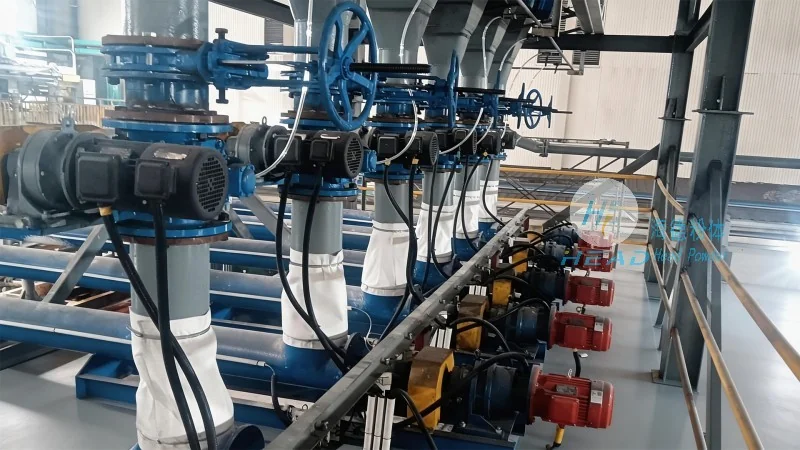
Negative Pressure Conveying Mode
Negative pressure conveying, or vacuum conveying, works by creating a vacuum at the inlet of the conveying line. The material is drawn into the system by the suction created by the vacuum pump. This mode is often preferred for longer distances and when the material is heavy or has a higher bulk density. In soybean processing, negative pressure systems are useful for transferring material from multiple points to a central collection point, such as from silos or storage bins to a processing plant. The vacuum pump is located at the discharge end, and the material is transported by the suction force generated by the pump.
Key Differences Between Positive and Negative Pressure Systems
While both positive and negative pressure conveying modes can be used for soybean transport, they differ in several critical aspects. Positive pressure systems are generally more suitable for shorter distances and higher material flow rates, as they can maintain consistent pressure and prevent material degradation. Negative pressure systems, on the other hand, are better suited for longer distances and can handle materials with higher bulk density. Another key difference is the energy consumption; positive pressure systems typically consume more energy due to the need to generate high pressure, whereas negative pressure systems may have lower energy costs but require more maintenance for the vacuum pump.
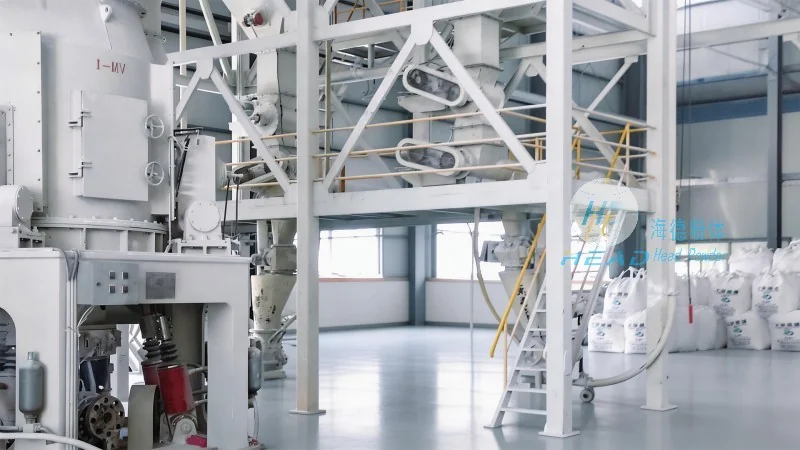
Factors to Consider When Choosing a Conveying Mode
The selection between positive and negative pressure conveying for soybean handling depends on several factors, including the distance between the source and destination, the material characteristics, and the desired system efficiency. For instance, if the conveying distance is short and the material is light, a positive pressure system may be more cost-effective. Conversely, for longer distances or heavier materials, a negative pressure system might be more suitable. Additionally, the system's footprint and space constraints should be considered, as positive pressure systems require a blower at the inlet and may need more space for the equipment.
Application in Soybean Processing
In soybean processing facilities, pneumatic conveying systems play a vital role in ensuring smooth material flow. The positive pressure mode is often used for conveying soybeans from storage silos to processing units, such as hullers or presses. The high-pressure air stream efficiently moves the beans through the pipeline, minimizing the risk of material blockages. The negative pressure mode, meanwhile, is used for transferring material from multiple storage points to a central processing area, ensuring that all beans are collected and processed uniformly. Both modes contribute to maintaining the quality of the soybeans by reducing mechanical stress and preventing contamination.
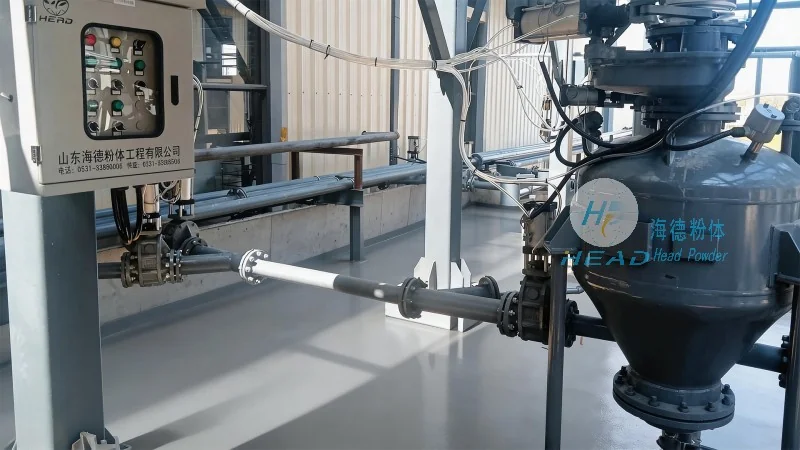
Advantages and Challenges of Each Mode
Positive pressure conveying offers several advantages, including high conveying capacity, ability to handle abrasive materials, and consistent material flow. However, it also presents challenges, such as higher energy consumption and the need for regular maintenance of the blower. Negative pressure systems, while more energy-efficient for long distances, may face challenges related to material buildup in the pipeline and higher maintenance costs for the vacuum pump. In the case of soybeans, the choice of mode should balance these factors to achieve optimal performance and cost-effectiveness.
Conclusion
Understanding the technical aspects of pneumatic conveying systems, particularly the comparison between positive and negative pressure modes, is essential for optimizing soybean handling in industrial settings. Both modes have their unique advantages and are suitable for different applications based on distance, material characteristics, and operational requirements. By carefully evaluating these factors, industries can select the most appropriate conveying system to enhance efficiency, reduce costs, and maintain the quality of soybeans throughout the processing chain. As a leading provider of engineering solutions, Shandong HeadPowder Engineering Co., Ltd. specializes in designing and implementing customized pneumatic conveying systems tailored to the specific needs of soybean processing facilities.