

Technical Analysis of Sodium Dithionite Pneumatic Conveying Systems: Comparison of Positive Pressure
HeadPowder, a leading provider of industrial conveying solutions, specializes in the design and implementation of efficient pneumatic conveying systems for sodium dithionite, a critical chemical widely used in industries such as paper, textiles, and water treatment. This technical analysis explores the two primary modes of pneumatic conveying—positive pressure and negative pressure systems—evaluating their applications, advantages, and limitations for handling sodium dithionite.
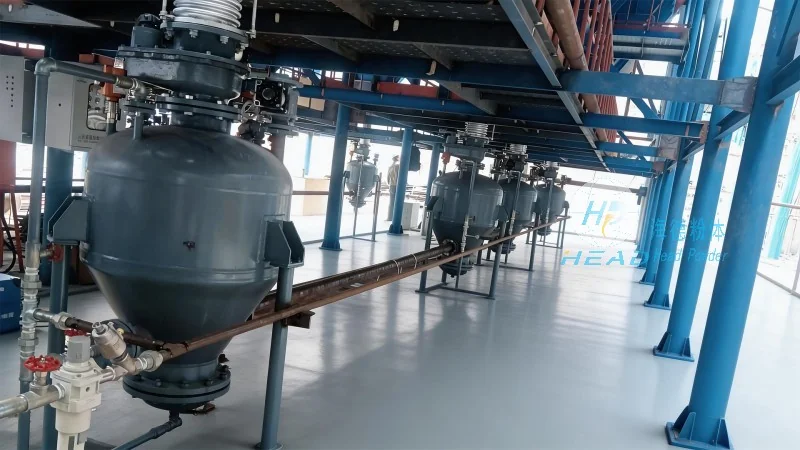
Understanding Pneumatic Conveying for Sodium Dithionite
Sodium dithionite (Na₂S₂O₄) is a highly reactive, hygroscopic chemical that requires careful handling to maintain its quality and effectiveness. Pneumatic conveying systems offer a safe, dust-free, and automated method to transport this material from storage to processing units. The choice between positive pressure and negative pressure systems depends on factors like material properties, plant layout, and operational requirements.
Positive Pressure Pneumatic Conveying Systems
Positive pressure systems, also known as pressure conveying, operate by blowing air or a carrier gas into the conveying line, creating a pressure higher than the ambient air. This method is particularly effective for transporting sodium dithionite over long distances or through complex piping networks. The high pressure ensures consistent material flow and reduces the risk of blockages, making it suitable for high-volume applications.
Key advantages of positive pressure systems include: high conveying capacity, ability to handle abrasive or sticky materials, and reduced maintenance due to fewer moving parts. However, they require robust air compressors and may generate higher noise levels. Additionally, the system must be well-sealed to prevent dust leakage, which is crucial for sodium dithionite due to its hygroscopic nature.
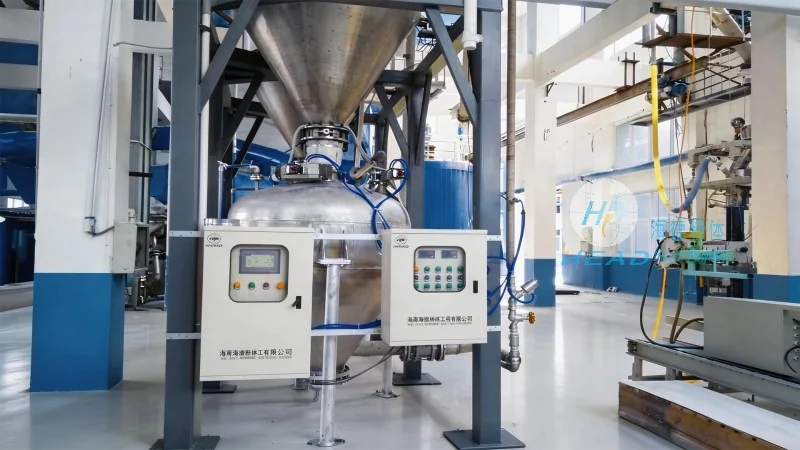
Negative Pressure Pneumatic Conveying Systems
Negative pressure systems, or vacuum conveying, work by creating a vacuum in the conveying line, drawing material from the source into the system. This method is ideal for short to medium-distance transport and is often used in applications where the material is stored in bins or hoppers near the processing area.
Advantages of negative pressure systems include lower energy consumption compared to positive pressure systems, as they rely on vacuum pumps rather than compressors. They are also quieter and easier to install in existing facilities. However, they have lower conveying capacities and may struggle with long distances or highly abrasive materials. For sodium dithionite, negative pressure systems are suitable for handling smaller quantities or when the storage and processing units are in close proximity.
Comparative Analysis: Positive vs Negative Pressure
When selecting a pneumatic conveying system for sodium dithionite, it is essential to weigh the characteristics of both positive and negative pressure systems. Positive pressure systems excel in high-volume, long-distance transport and are preferred for industrial plants with extensive layouts. They provide better control over material flow and are less prone to blockages, which is critical for maintaining the quality of sodium dithionite.
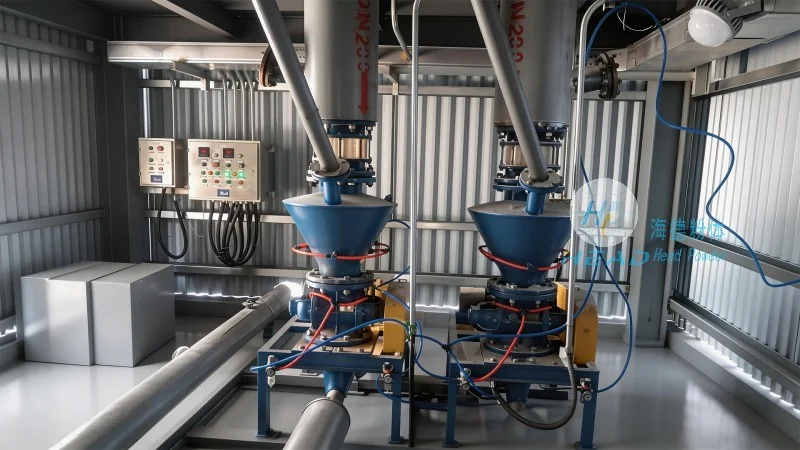
On the other hand, negative pressure systems are more energy-efficient and suitable for smaller-scale operations or applications where the material is stored nearby. They are also less complex to set up and maintain, making them a cost-effective option for shorter transport distances.
HeadPowder's Expertise in Pneumatic Conveying Solutions
Shandong HeadPowder Engineering Co., Ltd., based in Shandong, China, leverages decades of experience in designing customized pneumatic conveying systems tailored to the unique needs of sodium dithionite handling. The company’s engineers conduct thorough assessments of material properties, plant layout, and operational requirements to recommend the most suitable conveying mode—whether positive or negative pressure.
HeadPowder’s solutions incorporate advanced technologies to ensure efficient, safe, and reliable transport of sodium dithionite. This includes the use of high-quality materials resistant to corrosion and wear, automated control systems for consistent operation, and comprehensive maintenance plans to minimize downtime. The company’s commitment to quality and customer satisfaction has made it a trusted partner for industries relying on sodium dithionite in their production processes.