

Choosing Between Positive Pressure and Negative Pressure for PP Pellet Pneumatic Conveying: How to D
When it comes to transporting polypropylene (PP) pellets via pneumatic conveying systems, selecting the right method is crucial for efficiency, safety, and operational success. Two primary approaches dominate the industry: positive pressure conveying and negative pressure conveying. Each has distinct characteristics, advantages, and limitations. Understanding these differences is essential for making an informed decision that aligns with your specific production needs. This article explores the key aspects of both positive and negative pressure systems, highlighting how to differentiate between them and choose the most suitable option for PP pellet handling.
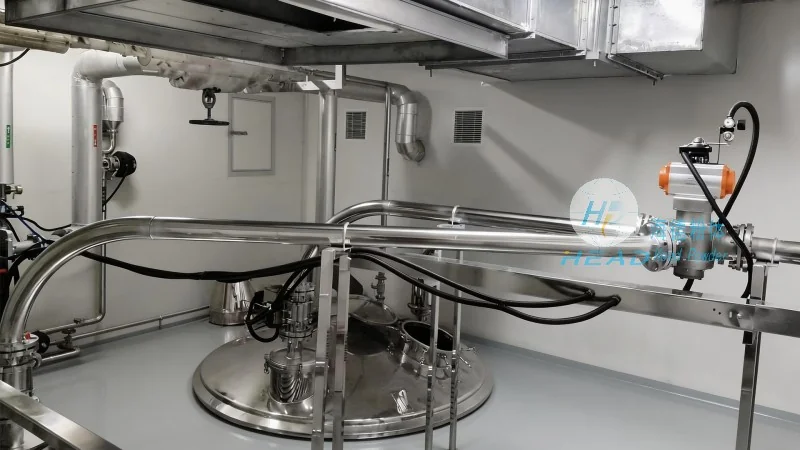
Positive Pressure Pneumatic Conveying for PP Pellets
Positive pressure conveying operates by blowing air or gas into the conveying line, creating a pressure higher than the ambient air. This method pushes the material through the system, making it ideal for long-distance and complex routing. The primary advantage of positive pressure systems is their ability to transport materials over extended distances without significant pressure loss. They are also less susceptible to blockages compared to negative pressure systems, as the continuous flow of air helps maintain material movement. However, one major drawback is the potential for dust leakage at connection points, which can lead to environmental and safety concerns if not properly sealed. Positive pressure systems typically require robust sealing mechanisms and may involve higher operational costs due to the need for compressed air or gas.
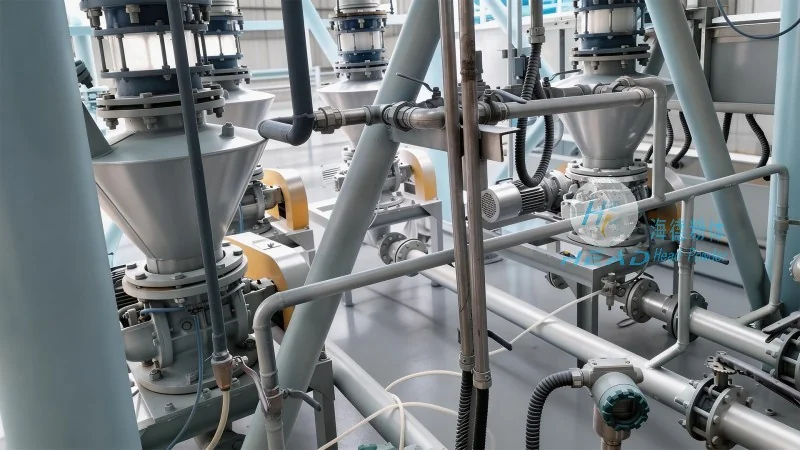
Negative Pressure Pneumatic Conveying for PP Pellets
Negative pressure conveying, on the other hand, draws material into the system by creating a vacuum or low-pressure environment. Air or gas is drawn out of the conveying line, pulling the material along. This approach is particularly well-suited for short-distance applications and environments where dust containment is paramount. The main benefit of negative pressure systems is their excellent dust control, as the system operates under a negative pressure that prevents dust from escaping. They are often preferred in applications involving flammable or explosive materials, as the sealed system minimizes the risk of ignition. Nevertheless, negative pressure conveying has limitations regarding maximum distance and material flow rate. The vacuum created can lead to higher energy consumption and increased wear on components, especially in systems with high material throughput. Additionally, the system may be more prone to blockages if the material is not properly conditioned or if the line is not maintained.
Distinguishing Between Positive and Negative Pressure Systems
Choosing between positive and negative pressure for PP pellet pneumatic conveying involves evaluating several key factors. The most critical consideration is the required conveying distance. Positive pressure systems are generally preferred for long-distance applications, typically exceeding 100 meters, while negative pressure systems are more suitable for shorter distances, often under 50 meters. Environmental regulations and safety requirements also play a significant role. If the operation is in a dusty or hazardous environment, negative pressure systems may be the better choice due to their superior containment. Conversely, if the facility has existing compressed air infrastructure, positive pressure systems can leverage this, reducing additional energy costs. The complexity of the system and maintenance needs are also important. Positive pressure systems may require more sophisticated sealing and filtration, while negative pressure systems might need more frequent cleaning to prevent dust buildup. Cost is another factor to weigh. Positive pressure systems can be more expensive upfront due to the need for high-pressure air compressors and robust seals, but they may offer lower long-term operational costs for long-distance transport. Negative pressure systems, while potentially cheaper initially, could incur higher maintenance and energy costs over time.
Conclusion
Ultimately, the decision between positive and negative pressure pneumatic conveying for PP pellets depends on a combination of operational requirements, environmental considerations, and budget constraints. Positive pressure systems excel in long-distance and complex routing scenarios, offering reliable material transport with the right sealing and maintenance. Negative pressure systems, however, provide superior dust control and are ideal for short-distance applications in sensitive environments. By carefully assessing the conveying distance, environmental impact, and system complexity, you can select the most appropriate method for your PP pellet handling needs. Shandong HeadPowder Engineering Co., Ltd., a leading provider of pneumatic conveying solutions, specializes in designing and implementing customized systems tailored to these specific requirements, ensuring optimal performance and safety for your operations.