

Choosing Between Positive Pressure and Negative Pressure for Coated Sand Pneumatic Conveying? How to
When it comes to the pneumatic conveying of coated sand, selecting the right pressure system is crucial for efficiency, cost-effectiveness, and operational safety. The two primary options are positive pressure and negative pressure systems. Understanding the differences and how to distinguish between them is essential for making an informed decision. This article, prepared by Shandong HeadPowder Engineering Co., Ltd. (headpowder), explores the characteristics of both systems and provides guidance on how to choose the appropriate one for your specific needs.
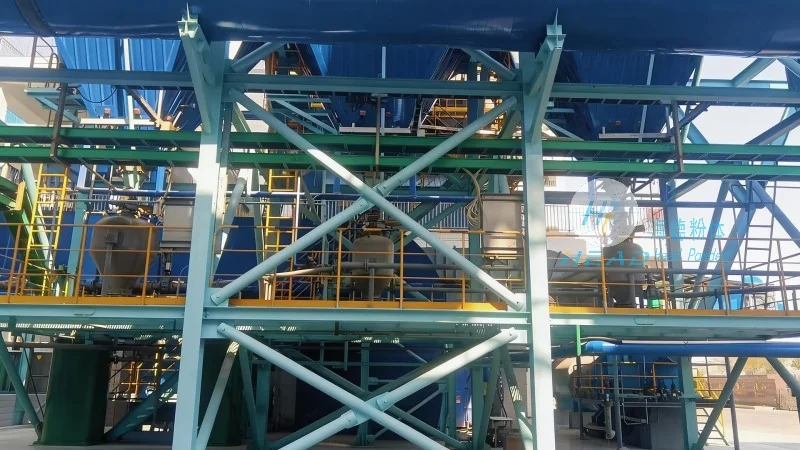
Understanding Positive Pressure Pneumatic Conveying
Positive pressure pneumatic conveying systems operate by blowing air or gas into the conveying line, creating a pressure higher than the ambient air pressure. This method forces the material to move through the pipeline. The system typically includes a blower or compressor at the inlet, which supplies the necessary pressure to transport the coated sand. One of the key advantages of positive pressure systems is their ability to handle abrasive materials like coated sand without excessive wear on the equipment. Additionally, they are generally more suitable for long-distance and high-capacity conveying applications. However, these systems may require more maintenance due to the higher pressure and the need for robust sealing to prevent air leakage.
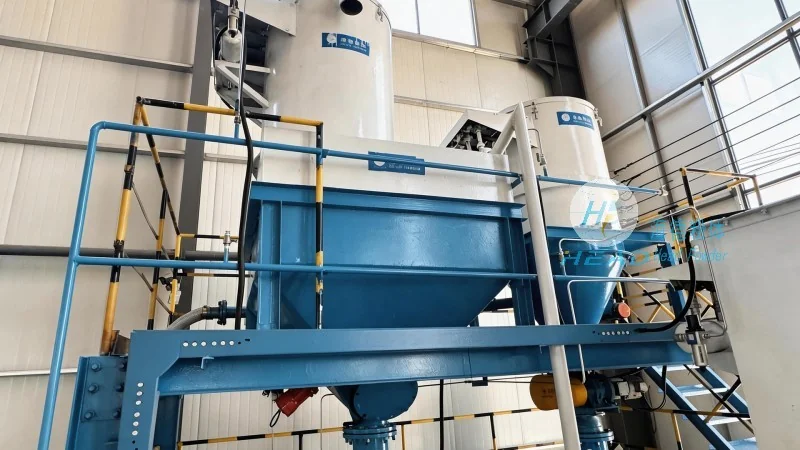
Exploring Negative Pressure Pneumatic Conveying
Negative pressure, or vacuum, pneumatic conveying systems work by creating a vacuum at the inlet, which draws the material into the pipeline. The system uses a vacuum pump to remove air from the conveying line, creating a pressure lower than the ambient air pressure. This method is often preferred for applications where the material needs to be transported from a source that is difficult to access or where the material is sensitive to pressure changes. Negative pressure systems are typically more suitable for short to medium-distance conveying and for handling materials that are prone to dust generation. They also tend to have lower initial costs compared to positive pressure systems, as they may not require as powerful equipment. Nevertheless, they can be less efficient for high-capacity or long-distance transport and may have limitations in handling highly abrasive or sticky materials.
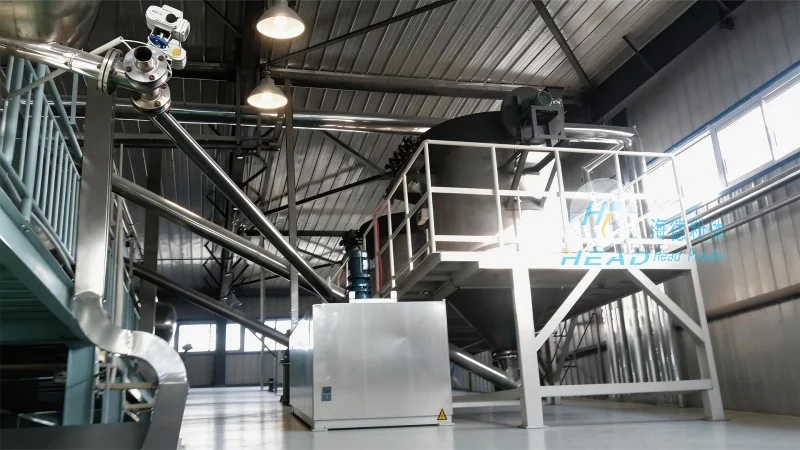
Distinguishing Between Positive and Negative Pressure Systems
The primary way to distinguish between positive and negative pressure systems is based on the pressure differential and the direction of air flow. In positive pressure systems, the conveying line is under pressure, pushing the material forward. In negative pressure systems, the line is under vacuum, pulling the material in. Another key difference is the equipment used: positive pressure systems rely on blowers or compressors, while negative pressure systems use vacuum pumps. The choice between the two also depends on factors such as the distance of the conveying line, the material's properties (e.g., abrasiveness, dustiness), and the required capacity. For instance, if you need to transport coated sand over a long distance with high capacity, a positive pressure system might be more appropriate. Conversely, if the material is sensitive and the conveying distance is short, a negative pressure system could be a better fit.
Factors to Consider When Choosing a System
When deciding between positive and negative pressure pneumatic conveying for coated sand, several factors should be considered. First, the distance and layout of the conveying line are critical. Positive pressure systems are generally better for longer distances due to their higher pressure capability. Second, the material characteristics, including its abrasiveness, dust generation, and flowability, play a significant role. Highly abrasive materials may benefit from the robust design of positive pressure systems, while sensitive materials might be better suited to the lower pressure environment of negative pressure systems. Third, the required capacity and throughput are important. Positive pressure systems can handle higher capacities, making them ideal for large-scale operations. Fourth, the cost and maintenance considerations should not be overlooked. Positive pressure systems may have higher initial and maintenance costs due to the need for powerful equipment and robust seals, whereas negative pressure systems may have lower upfront costs but could require more frequent maintenance of the vacuum pump.
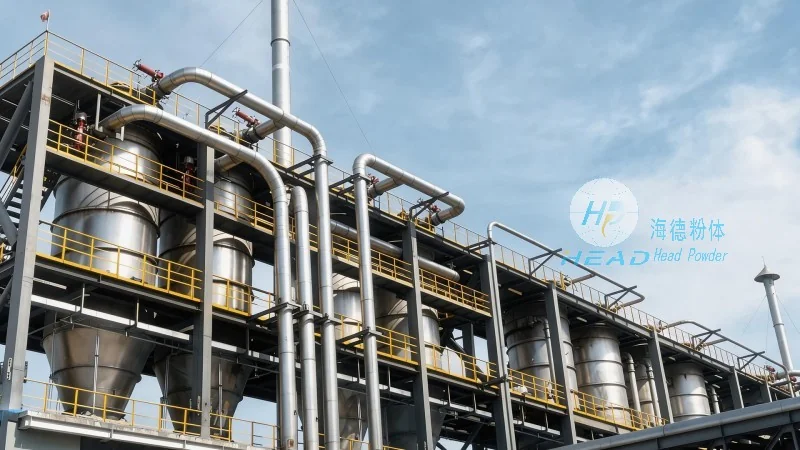
Conclusion
Choosing between positive pressure and negative pressure pneumatic conveying for coated sand involves a careful evaluation of the specific requirements of your operation. Positive pressure systems offer advantages in long-distance, high-capacity transport and handling of abrasive materials, while negative pressure systems are suitable for short distances, sensitive materials, and lower initial costs. By understanding the operational characteristics and constraints of your application, you can select the most appropriate system to ensure efficient and reliable coated sand transport. Whether you opt for positive or negative pressure, the key is to align the system with the material's properties and the operational goals to achieve optimal performance and cost-effectiveness.