

Choosing Between Positive Pressure and Negative Pressure for Polyethylene Powder Pneumatic Conveying
When it comes to transporting polyethylene powder via pneumatic conveying systems, selecting the right pressure type—whether positive pressure or negative pressure—is crucial for efficiency, safety, and operational costs. This article will explore the key differences between these two methods and provide guidance on how to choose the most suitable approach for polyethylene powder handling. The information is presented by Shandong HeadPowder Engineering Co., Ltd., a leading provider in the field of powder engineering solutions.
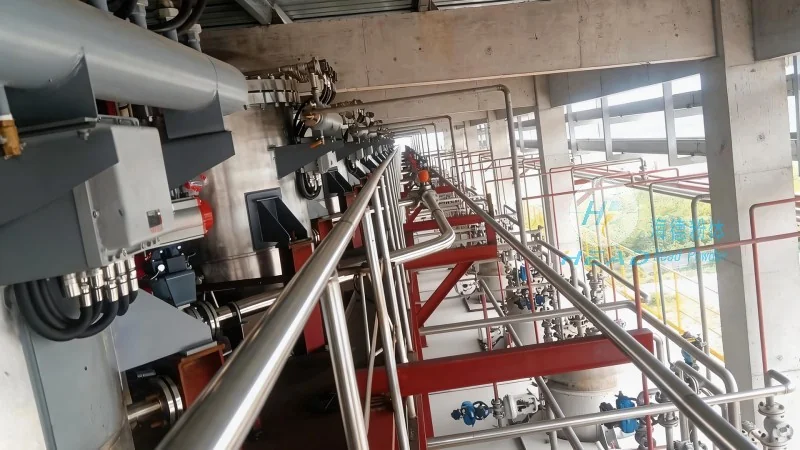
Understanding the Basics: Positive Pressure vs. Negative Pressure Pneumatic Conveying
At the core of pneumatic conveying systems are two primary pressure methods: positive pressure and negative pressure. Positive pressure systems operate by forcing air or gas into the conveying line, while negative pressure systems create a vacuum to draw material into the system. For polyethylene powder, which is often fine and can be prone to dust issues, the choice of pressure type significantly impacts system performance and maintenance requirements.
Key Characteristics of Positive Pressure Pneumatic Conveying
Positive pressure systems, also known as pressure conveying, use compressed air or gas to push material through the pipeline. This method is generally more suitable for transporting polyethylene powder over longer distances or through complex network configurations. The primary advantages of positive pressure include higher conveying velocities, which can reduce the risk of material degradation or caking, and the ability to handle abrasive or sticky powders without excessive wear on components. Additionally, positive pressure systems are often more energy-efficient for long-distance transport, as they can maintain consistent pressure without the need for large vacuum pumps.
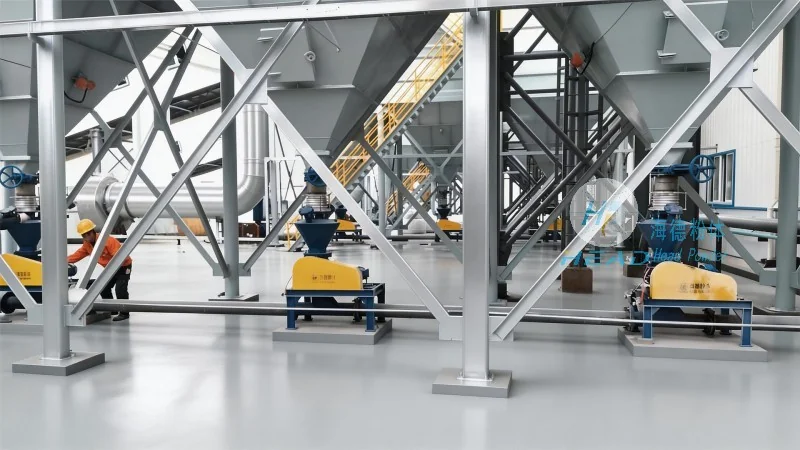
Key Characteristics of Negative Pressure Pneumatic Conveying
Negative pressure systems, or vacuum conveying, rely on a vacuum to pull material from the source into the system. This method is typically used for shorter distances or when the material needs to be transferred from a closed container or hopper. The main benefits of negative pressure include lower initial costs for smaller systems, as they often require less powerful air compressors and simpler equipment. Negative pressure is also advantageous for handling materials that are sensitive to high pressure or for applications where the source is located at a higher elevation than the destination. However, negative pressure systems may have limitations in terms of conveying distance and material capacity, as the vacuum strength diminishes over longer pipe runs.
Distinguishing Factors Between Positive and Negative Pressure Systems for Polyethylene Powder
When deciding between positive and negative pressure for polyethylene powder, several factors must be considered. First, the distance between the source and destination is a critical factor. Positive pressure is preferred for longer distances, typically exceeding 100 meters, due to its ability to maintain pressure and material flow. In contrast, negative pressure is more suitable for shorter distances, often under 50 meters, where the vacuum can effectively draw material without significant loss of suction power.
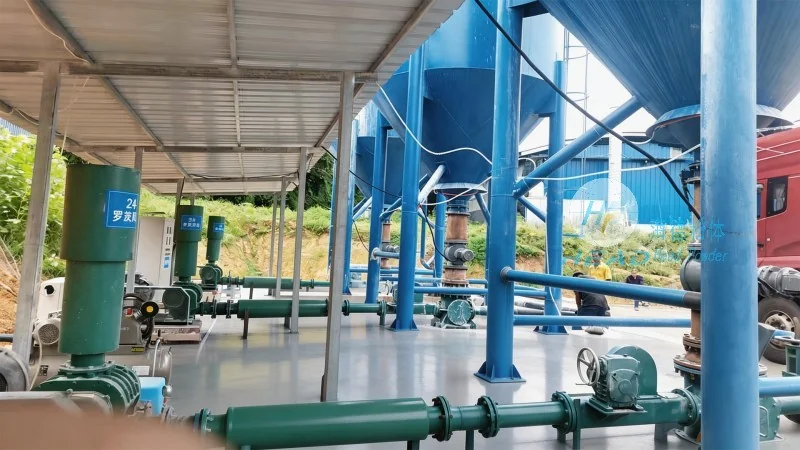
Second, the material characteristics of polyethylene powder play a role. Fine powders like polyethylene can be prone to static electricity, which may affect the performance of negative pressure systems if not properly managed. Positive pressure systems, with their continuous air flow, can help dissipate static charges and reduce dust accumulation. Additionally, the presence of moisture or other contaminants in the polyethylene powder may influence the choice; positive pressure systems can be equipped with filters and drying units to maintain material quality.
Operational Considerations and System Design
System design and operational requirements further differentiate the two pressure types. Positive pressure systems require robust air compressors and high-quality seals to prevent air leakage, which can reduce conveying efficiency. They also need regular maintenance to ensure that the compressed air is clean and free of contaminants that could affect the polyethylene powder. On the other hand, negative pressure systems rely on efficient vacuum pumps and may require additional filtration to prevent dust from entering the vacuum unit. The choice of system also impacts the overall footprint and space requirements; negative pressure systems are often more compact, making them ideal for applications with limited space.
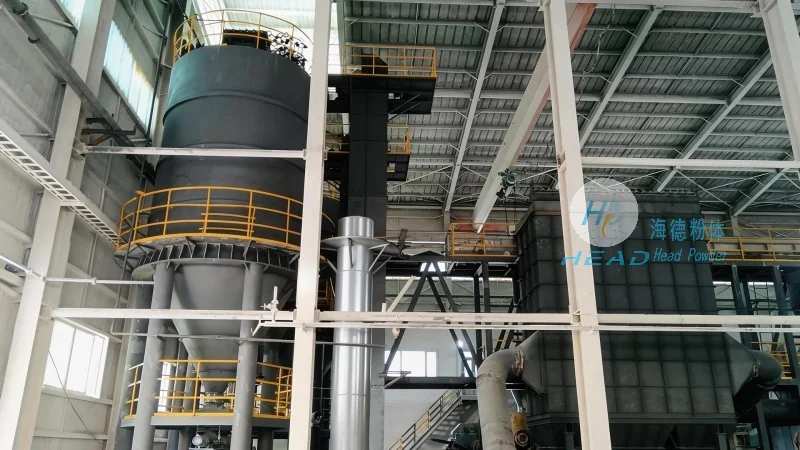
Case Study: Application of Positive Pressure for Polyethylene Powder in Industrial Settings
Shandong HeadPowder Engineering Co., Ltd. has successfully implemented positive pressure systems for polyethylene powder conveying in various industrial applications. For example, in a plastic manufacturing plant, a positive pressure system was used to transport fine polyethylene powder from a storage silo to a blending unit over a distance of 150 meters. The system was designed with a high-pressure air compressor and a series of cyclone separators to maintain material purity. The result was a consistent flow rate, reduced material degradation, and lower maintenance costs compared to a negative pressure system, which would have struggled with the longer distance and fine particle size.
Conclusion: Making the Right Choice for Polyethylene Powder Pneumatic Conveying
Choosing between positive and negative pressure for polyethylene powder pneumatic conveying requires a careful evaluation of distance, material characteristics, and operational needs. Positive pressure systems offer advantages in long-distance transport, material handling, and energy efficiency, while negative pressure systems are better suited for shorter distances and cost-sensitive applications. By understanding the key differences and considering the specific requirements of the polyethylene powder handling process, industrial facilities can select the most effective and reliable conveying system. Shandong HeadPowder Engineering Co., Ltd. provides expert guidance and customized solutions to help clients make informed decisions and optimize their polyethylene powder conveying operations.