

Choosing Positive Pressure vs. Negative Pressure for Organic Fertilizer Granule Pneumatic Conveying:
When it comes to transporting organic fertilizer granules, selecting the right pneumatic conveying system is crucial for efficiency, cost-effectiveness, and product integrity. Two primary methods dominate the industry: positive pressure and negative pressure systems. Each has distinct characteristics, advantages, and applications, making it essential to understand how to differentiate between them and choose the optimal solution for your operation. This guide from Shandong HeadPowder Engineering Co., Ltd. (HeadPowder) explores the key factors that influence this decision, helping you make an informed choice for your fertilizer handling needs.
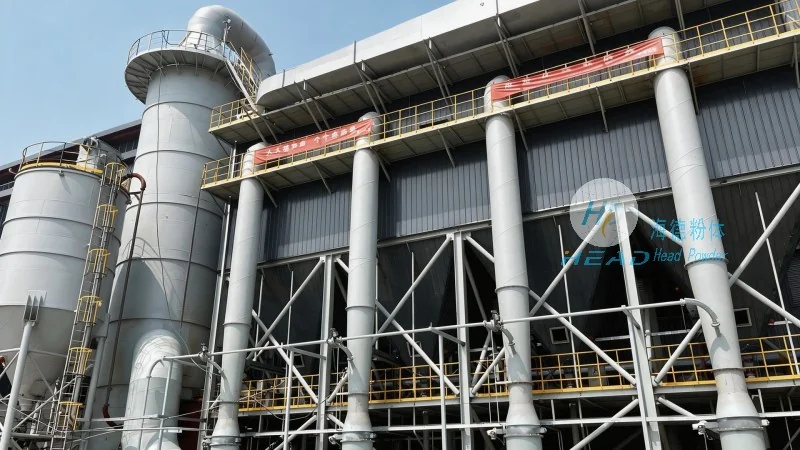
HeadPowder: Your Expert in Pneumatic Conveying Solutions
HeadPowder, a leading manufacturer based in Shandong, China, specializes in designing and supplying advanced pneumatic conveying systems tailored to the unique requirements of the fertilizer industry. With years of experience and a commitment to innovation, HeadPowder provides customized solutions that enhance productivity, reduce downtime, and ensure the safe and efficient transport of organic fertilizer granules. Whether you're dealing with bulk organic fertilizers or specialized formulations, our team of engineers works closely with you to develop systems that meet your specific operational and budgetary constraints.
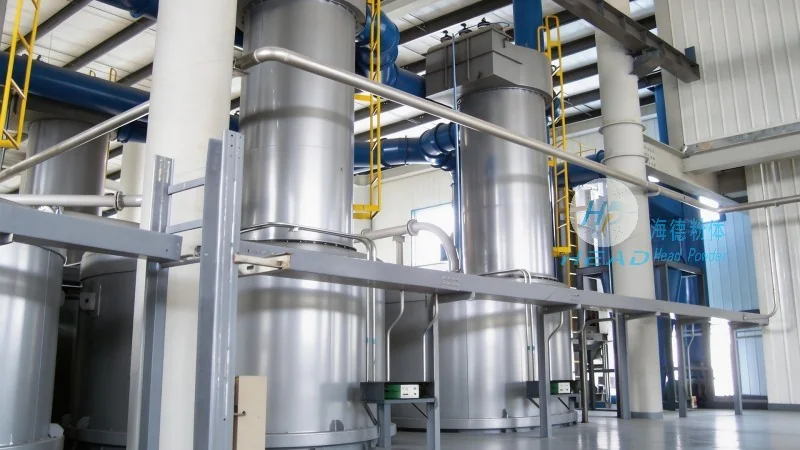
What is Pneumatic Conveying?
Pneumatic conveying is a method of transporting bulk materials, such as organic fertilizer granules, through a pipeline using air or gas. The system uses pressure differentials to move material from the source to the destination, eliminating the need for mechanical components like belts or buckets. This technology offers several benefits, including reduced labor costs, improved material handling speed, and the ability to transport materials over long distances or through complex layouts. However, the choice between positive and negative pressure systems depends on factors like material properties, system layout, and operational requirements.
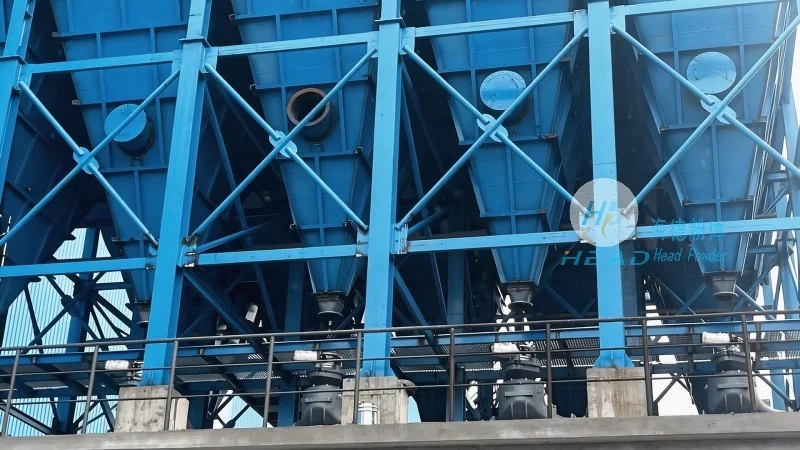
Distinguishing Positive Pressure vs. Negative Pressure Conveying
At the core of the decision between positive and negative pressure systems lies the direction of air flow and the pressure differential within the pipeline. Understanding these differences is critical for selecting the right system for organic fertilizer granules.
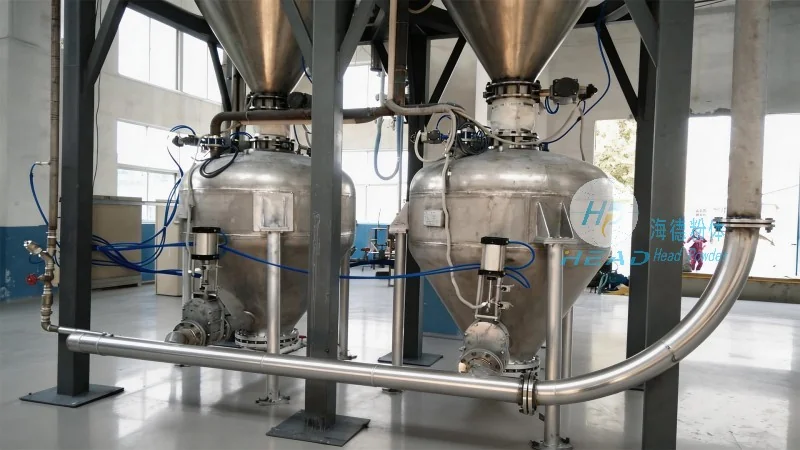
Positive Pressure Conveying: Advantages and Applications
Positive pressure conveying operates by blowing air or gas into the pipeline, creating a pressure higher than the ambient air pressure. The material is then carried along with the air stream, moving from the source to the destination. This method is particularly effective for transporting materials that are prone to dust generation or that require a high degree of control over the material flow. For organic fertilizer granules, positive pressure systems are often preferred when: