

PTFE Pneumatic Conveying Technology Analysis: Comparison of Positive and Negative Pressure Modes
PTFE (Polytetrafluoroethylene) is widely recognized for its exceptional chemical resistance, thermal stability, and low friction properties, making it an ideal material for high-performance pneumatic conveying systems. In industrial applications, PTFE-lined components are crucial for handling aggressive powders and granules that could otherwise degrade traditional metal or plastic equipment. This article delves into the core technologies of PTFE-based pneumatic conveying, focusing on the two primary operational modes: positive pressure and negative pressure systems. By understanding the nuances of each mode, industries can select the most suitable solution for their material handling needs, ensuring efficiency, safety, and longevity of the conveying process. The expertise of companies like Shandong HeadPowder Engineering Co., Ltd. (headpowder) has been instrumental in advancing PTFE pneumatic conveying technology, providing tailored solutions for diverse industrial requirements.
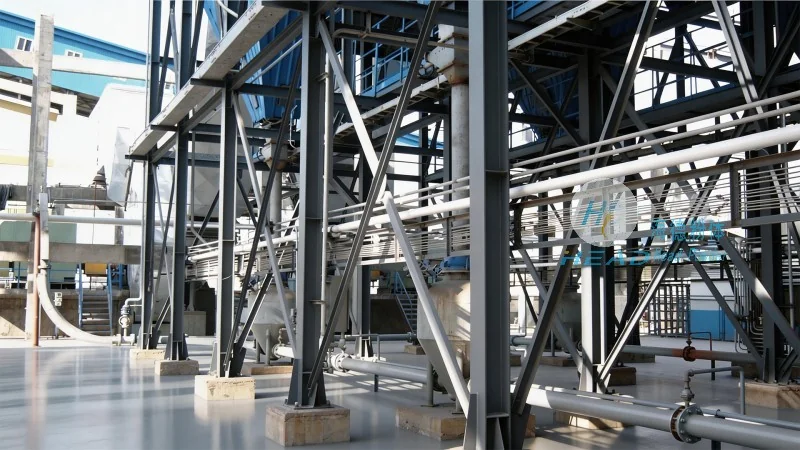
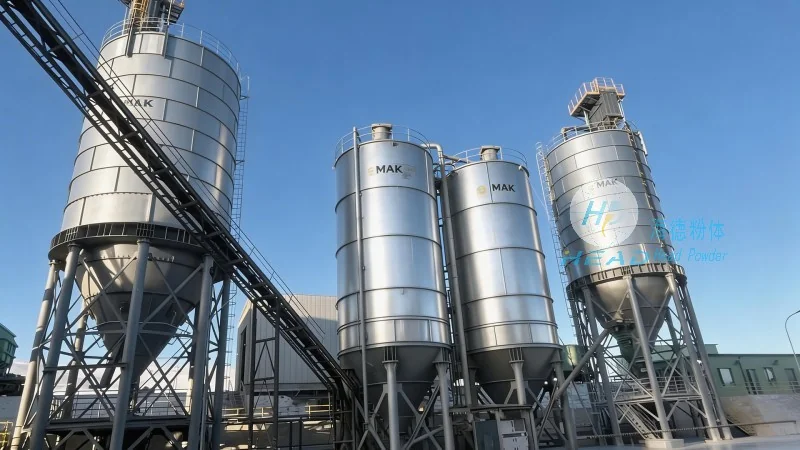
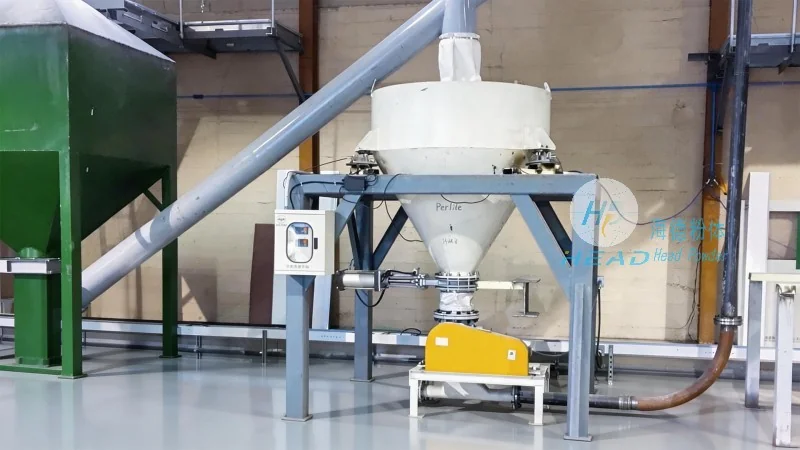
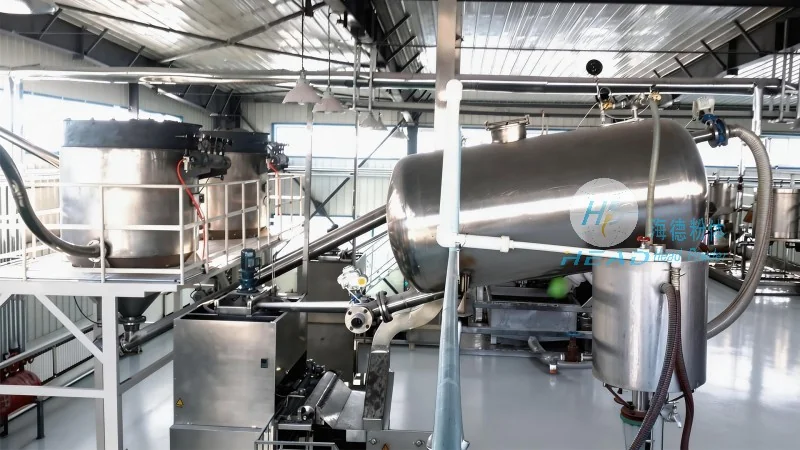
Positive Pressure Pneumatic Conveying Systems
Positive pressure systems operate by blowing air or gas into the conveying line, creating a pressure higher than the ambient environment. This method is particularly effective for transporting materials over long distances or through complex piping networks. The primary advantage of positive pressure is its ability to handle a wide range of particle sizes and densities, including fine powders that might settle in negative pressure systems. Additionally, positive pressure systems are generally more forgiving when it comes to system leaks, as the pressurized air helps maintain the flow of material. The use of PTFE in positive pressure systems often involves PTFE-coated hoses or liners that protect against corrosion and abrasion from the conveyed material. For example, in chemical processing plants, positive pressure PTFE conveying systems are commonly used to transport corrosive powders like acids or solvents, where traditional metal pipes would quickly deteriorate. The robust design of these systems, combined with PTFE's durability, ensures reliable operation even under harsh conditions.
Negative Pressure Pneumatic Conveying Systems
Negative pressure systems, also known as vacuum conveying, work by creating a vacuum in the conveying line, drawing material from the source into the system. This approach is often preferred for short-distance transport or when the material is sensitive to pressure changes. The key benefits of negative pressure include lower energy consumption compared to positive pressure systems, as the vacuum pump only needs to overcome the resistance of the material and piping. Moreover, negative pressure systems are less likely to cause dust emissions, as the material is drawn into the system rather than being expelled. However, they have limitations in handling very fine or light powders, which may be difficult to maintain in suspension under vacuum conditions. PTFE components in negative pressure systems are typically used in the suction hopper and inlet sections to prevent material buildup and ensure smooth material flow. In pharmaceutical or food processing industries, negative pressure PTFE conveying is favored for its ability to handle hygienic materials without cross-contamination, as the sealed system minimizes exposure to the environment. The hygienic design of PTFE components further enhances compliance with regulatory standards, making it a preferred choice for sensitive applications.