

Analysis of Magnesium Oxide Powder Pneumatic Conveying Technology: Comparison of Positive and Negati
When it comes to the efficient and reliable transportation of magnesium oxide powder, pneumatic conveying systems have emerged as a crucial solution in industrial applications. The choice between positive pressure and negative pressure modes significantly impacts operational efficiency, safety, and cost-effectiveness. This article provides a detailed analysis of these two primary pneumatic conveying methods, focusing on their mechanisms, advantages, and practical applications in the context of magnesium oxide powder handling.
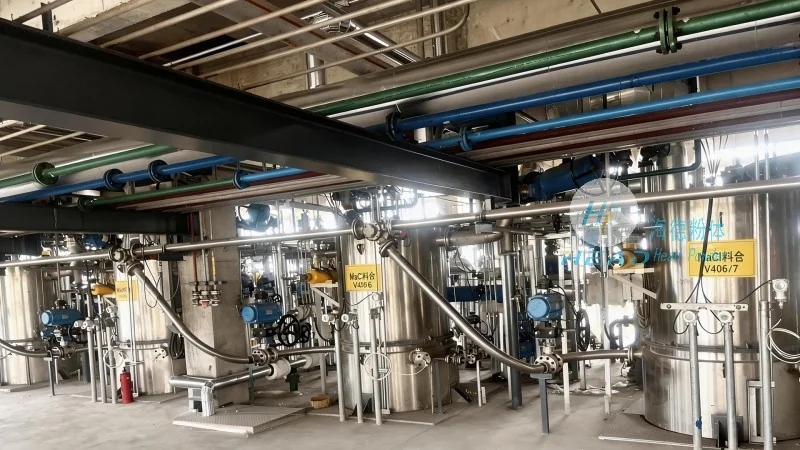
Understanding Pneumatic Conveying Systems for Magnesium Oxide Powder
Pneumatic conveying involves the use of air or gas to transport bulk materials like magnesium oxide powder through a pipeline. This technology offers several benefits over traditional mechanical conveying methods, including reduced equipment wear, lower maintenance requirements, and the ability to handle materials that are difficult to move using conventional means. The core of this technology lies in the pressure differential created within the system, which determines the mode of operation—either positive or negative pressure.
Positive Pressure Pneumatic Conveying: Principles and Applications
Positive pressure systems operate by generating air pressure within the conveying line, which is higher than the ambient atmospheric pressure. In this mode, the material is drawn into the system by the high-pressure air, and the entire pipeline is under positive pressure. This approach is particularly effective for conveying materials over long distances or through complex network configurations. The positive pressure ensures that the material is continuously propelled forward, minimizing the risk of clogging and ensuring consistent flow rates.
For magnesium oxide powder, positive pressure systems are often preferred when dealing with large volumes or when the material needs to be transported to multiple destinations from a single source. The high-pressure air stream provides sufficient momentum to move the fine powder particles, even in vertical or inclined pipelines. Additionally, positive pressure systems are generally more robust and easier to maintain, as they do not require complex vacuum equipment or extensive filtration systems.
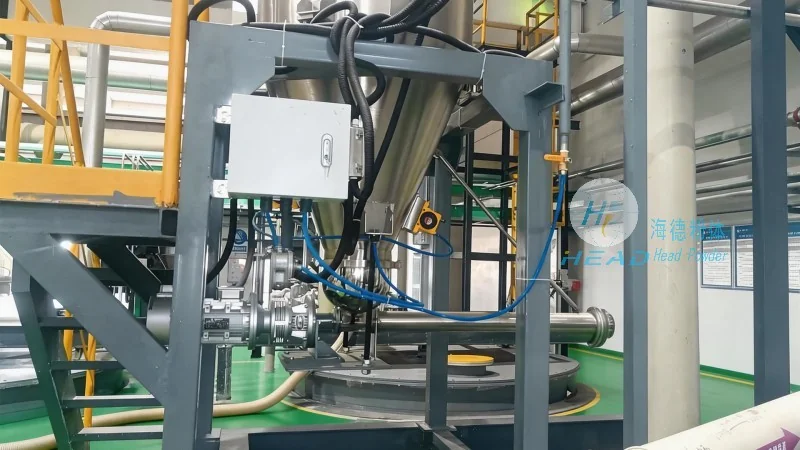
Negative Pressure Pneumatic Conveying: Principles and Applications
Conversely, negative pressure systems rely on creating a vacuum within the conveying line, which is lower than the ambient atmospheric pressure. The material is then drawn into the system by the pressure differential, and the entire pipeline operates under negative pressure. This mode is particularly suitable for applications where the material needs to be collected from multiple sources or where the system is integrated with existing ventilation or dust control infrastructure.
In the case of magnesium oxide powder, negative pressure systems are often used in environments where dust control is a priority, such as in processing facilities or storage areas. The vacuum created helps to prevent dust emissions and maintain a cleaner working environment. However, negative pressure systems may require more sophisticated filtration and maintenance to prevent the ingress of contaminants and ensure consistent performance.
Comparative Analysis: Positive vs. Negative Pressure Modes
When comparing positive and negative pressure pneumatic conveying systems for magnesium oxide powder, several key factors come into play. Positive pressure systems typically offer higher conveying capacities and are more suitable for long-distance or high-volume applications. They are also generally more cost-effective to install and maintain, as they do not require extensive vacuum equipment. However, they may generate more noise and require additional measures to control dust emissions.
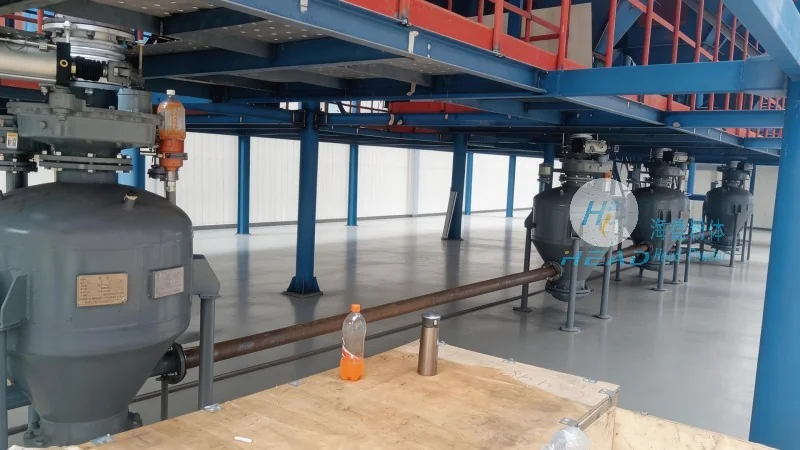
Negative pressure systems, on the other hand, excel in applications where dust control and material collection from multiple points are critical. They are often more energy-efficient for short-distance conveying and can be integrated with existing ventilation systems. The main drawbacks include higher maintenance costs due to the need for robust filtration and the potential for lower conveying efficiency compared to positive pressure systems.
Key Considerations for Selecting the Right System
The choice between positive and negative pressure pneumatic conveying systems for magnesium oxide powder depends on several factors, including the specific application requirements, material characteristics, and operational constraints. For instance, if the goal is to transport large quantities of magnesium oxide powder over long distances with minimal downtime, a positive pressure system may be the optimal choice. Conversely, if the primary concern is dust control and the material needs to be collected from multiple sources, a negative pressure system might be more appropriate.
Other considerations include the available space for equipment installation, the need for integration with existing infrastructure, and the budget constraints. It is also essential to evaluate the long-term operational costs, including energy consumption, maintenance, and potential downtime. By carefully assessing these factors, industrial facilities can select the most suitable pneumatic conveying system to ensure efficient and reliable handling of magnesium oxide powder.
HeadPowder: Expert Solutions for Pneumatic Conveying
Shandong HeadPowder Engineering Co., Ltd., commonly known as HeadPowder, is a leading provider of pneumatic conveying solutions tailored to the unique needs of magnesium oxide powder handling. With years of experience in the industry, HeadPowder specializes in designing and implementing both positive and negative pressure systems that meet the highest standards of efficiency, safety, and reliability.
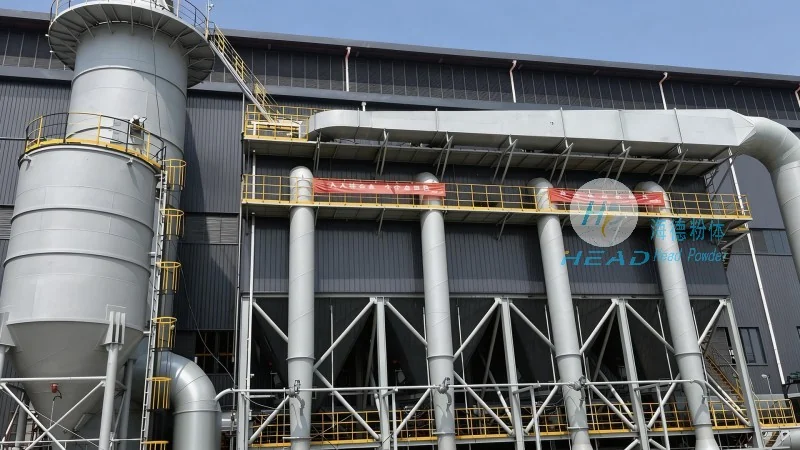
HeadPowder's team of engineers and technicians works closely with clients to understand their specific requirements, whether it involves long-distance transportation, dust control, or integration with existing production lines. The company utilizes advanced technology and rigorous testing to ensure that each system is optimized for the characteristics of magnesium oxide powder, such as its fine particle size and potential for clogging.
HeadPowder's solutions include custom-designed conveying lines, high-quality air compressors or vacuum pumps, and advanced filtration systems that minimize downtime and maximize material throughput. The company also provides comprehensive after-sales support, including maintenance services and technical assistance, to ensure that clients can operate their systems efficiently and cost-effectively.
By choosing HeadPowder, industrial facilities can benefit from the expertise and experience that have made the company a trusted name in the pneumatic conveying industry. With a focus on innovation and customer satisfaction, HeadPowder continues to deliver reliable and efficient solutions for the transportation of magnesium oxide powder, helping clients achieve their operational goals while maintaining safety and compliance.