

Analysis of Sand and Aggregate Pneumatic Conveying Technology: Comparison of Positive and Negative P
Efficient material handling is a critical aspect of modern industrial operations, particularly in the construction and mining sectors where the transport of bulk materials like sand and aggregates is essential. Pneumatic conveying technology has emerged as a versatile solution for moving these materials over short to medium distances with high efficiency and minimal maintenance. This article provides an in-depth analysis of the two primary modes of pneumatic conveying—positive pressure and negative pressure systems—focusing on their applications, advantages, and key differences.
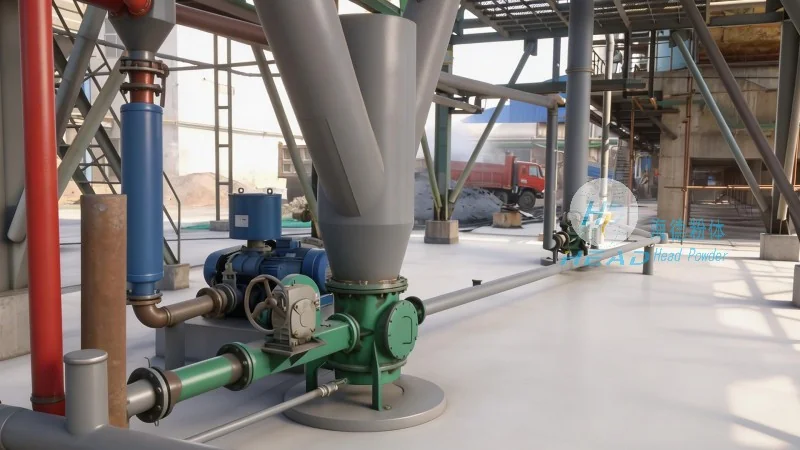
Introduction to Pneumatic Conveying Systems
Pneumatic conveying systems use air or gas to transport solid materials through a pipeline. The technology is widely used in industries such as cement, mining, and construction due to its ability to handle abrasive and dusty materials without the need for mechanical components like belts or buckets. The two main categories of pneumatic conveying are positive pressure and negative pressure systems, each with distinct operational principles and suitability for different material and process requirements.
Positive Pressure Pneumatic Conveying
Positive pressure systems operate by blowing air or gas into the conveying line, creating a pressure higher than the ambient air pressure. The material is fed into the line at the inlet, and the pressurized air propels the material forward. This mode is particularly effective for conveying materials over longer distances or when the material is sensitive to pressure drops. The system typically includes a blower or compressor at the inlet, which supplies the necessary pressure to move the material.
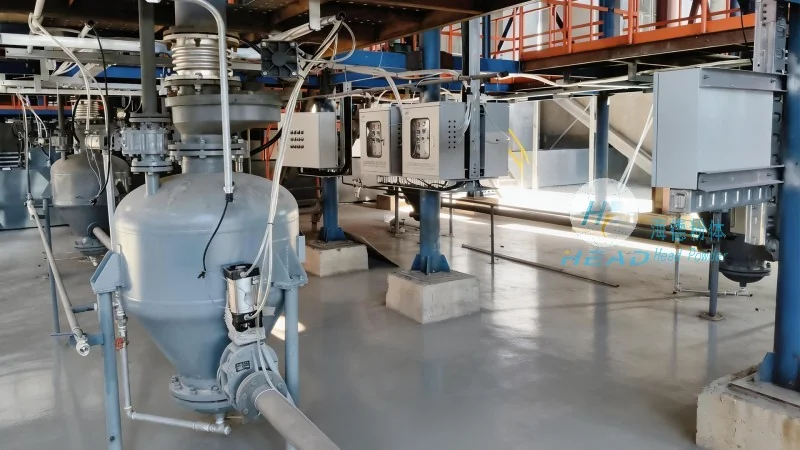
HeadPowder, a leading provider of engineering solutions in China, specializes in designing and manufacturing pneumatic conveying systems tailored to the needs of various industries. Their expertise in positive pressure systems ensures that clients receive customized solutions that optimize material transport efficiency while minimizing energy consumption. The company’s engineers work closely with clients to assess material characteristics, distance requirements, and operational constraints to develop optimal system designs.
Negative Pressure Pneumatic Conveying
Negative pressure systems, also known as vacuum or suction systems, operate by creating a vacuum at the receiving end of the line. The vacuum draws the material into the pipeline from the source, where it is then transported to the discharge point. This mode is ideal for applications where the material is to be collected from multiple points or where the material is light and requires gentle handling. The system includes a vacuum pump at the discharge end, which maintains the low pressure necessary for material suction.
HeadPowder also offers negative pressure pneumatic conveying solutions, leveraging their technical knowledge to address the unique challenges of vacuum systems. Their designs incorporate advanced filtration and air recovery mechanisms to ensure compliance with environmental regulations and to maximize operational efficiency. The company’s focus on material handling safety and system reliability makes their negative pressure systems a trusted choice for clients in the construction and mining sectors.
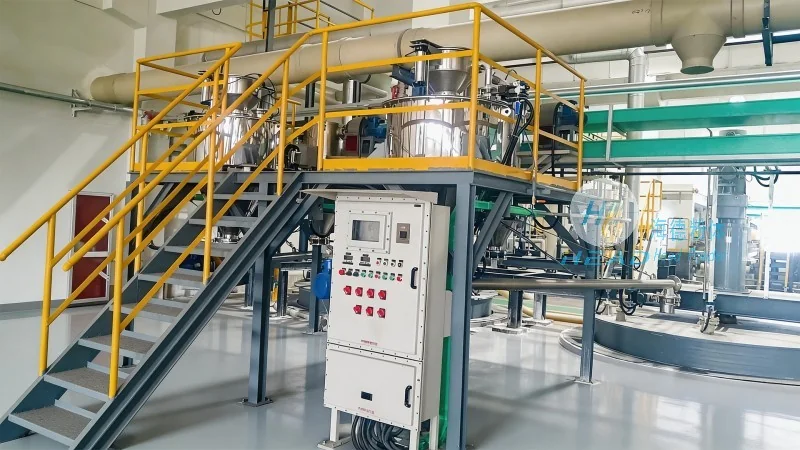
Comparison of Positive and Negative Pressure Modes
When selecting a pneumatic conveying system, it is essential to consider the specific requirements of the application. Positive pressure systems are generally more suitable for high-volume, long-distance transport of abrasive materials, while negative pressure systems are better suited for low-volume, short-distance transport or when the material is sensitive to pressure changes. The choice also depends on factors such as the material's density, moisture content, and the need for material recovery or dust control.
From an operational perspective, positive pressure systems require more energy input due to the continuous compression of air, whereas negative pressure systems consume less energy but may require more maintenance due to the vacuum pump and associated components. HeadPowder's comprehensive approach to system design considers these trade-offs, ensuring that clients select the most appropriate mode based on their specific operational needs and cost considerations.
Key Considerations for Pneumatic Conveying System Selection
When evaluating pneumatic conveying systems, several factors must be taken into account to ensure optimal performance and longevity. The first consideration is the material's physical properties, including particle size, density, and abrasiveness. These characteristics influence the system's design, such as the choice of pipeline material and the type of air flow control devices. The second factor is the distance and layout of the conveying route, which determines whether a positive or negative pressure system is more suitable. The third consideration is the required material flow rate and the need for material recovery or dust collection, which may require additional equipment like cyclones or filters.
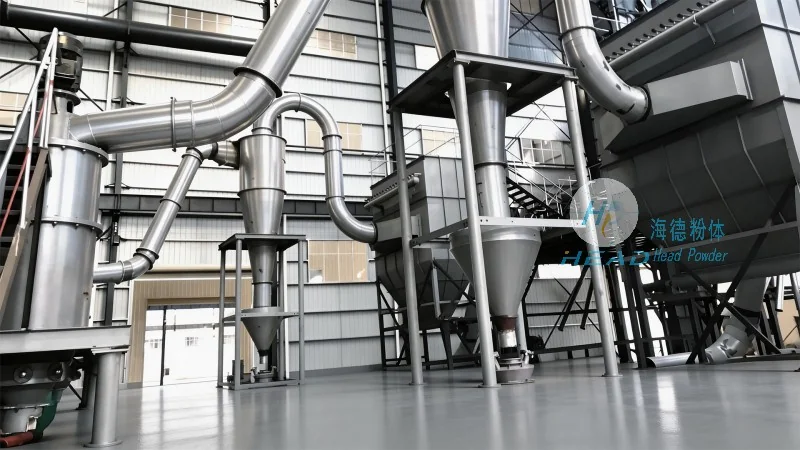
HeadPowder's engineering team conducts thorough assessments of these factors to develop customized solutions. Their expertise in both positive and negative pressure systems allows them to recommend the most efficient and cost-effective option for each client's unique situation. The company's commitment to quality and customer satisfaction is reflected in their detailed system designs and post-installation support services.
Conclusion
Pneumatic conveying technology offers significant advantages in the handling of sand and aggregate materials, with both positive and negative pressure modes providing effective solutions depending on the specific application requirements. HeadPowder, with its headquarters in Shandong, China, has established itself as a reliable partner in the design and implementation of pneumatic conveying systems. By leveraging their technical expertise and customer-centric approach, HeadPowder ensures that clients receive systems that meet their operational needs while adhering to industry standards and environmental regulations.