

Analysis of Paddy Husk Pneumatic Conveying Technology: Comparison of Positive and Negative Pressure
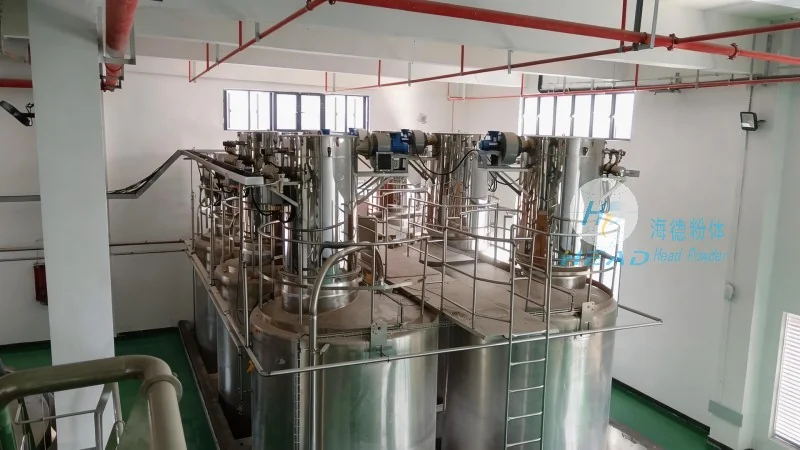
For industries dealing with agricultural byproducts like paddy husk, efficient material handling is crucial. Pneumatic conveying systems offer a solution that can significantly enhance productivity and operational safety. This article provides a detailed analysis of the two primary modes of pneumatic conveying—positive pressure and negative pressure—specifically tailored for the transportation of paddy husk, and compares their applications and performance characteristics.
Introduction to Pneumatic Conveying for Paddy Husk
Paddy husk, a byproduct of rice processing, is often used as a fuel source or in the production of biofuels and other industrial applications. Transporting this material efficiently from one location to another is essential for optimizing production processes. Pneumatic conveying systems use air to move bulk materials through a pipeline, eliminating the need for mechanical components like belts or buckets. This method is particularly advantageous for handling light, dusty, or abrasive materials like paddy husk, as it reduces wear and tear on equipment and minimizes the risk of contamination.
Positive Pressure Pneumatic Conveying Systems
Positive pressure systems operate by blowing air into the conveying line, creating a pressure higher than the ambient air pressure. This method propels the material forward through the pipeline. In the context of paddy husk, positive pressure systems are often preferred for short to medium-distance transport and for handling materials that are relatively dry and free-flowing. The primary advantage of this mode is its ability to handle a wide range of particle sizes and moisture content without clogging the system. The air is introduced at the inlet, and the material is drawn along with the air flow, ensuring a consistent and reliable transport process. However, positive pressure systems may require more energy to operate, as they need to maintain a higher pressure throughout the system. This can increase operational costs, especially for long-distance or high-volume applications.

Negative Pressure Pneumatic Conveying Systems
Negative pressure systems, also known as vacuum systems, work by creating a vacuum at the inlet of the conveying line. This vacuum draws the material and air into the system. For paddy husk, negative pressure is often used for longer distances or when the material needs to be transported from multiple points to a central collection point. The vacuum is generated by a fan or blower located at the discharge end of the system. The material is drawn into the pipeline and transported to the collection point under the influence of the vacuum. A key advantage of negative pressure systems is their lower energy consumption compared to positive pressure systems, as they do not require high-pressure air to push the material. However, they are more susceptible to clogging and are less effective for handling very dry or fine materials that may settle in the pipeline. The system also needs to be carefully designed to prevent dust emissions and ensure proper filtration to maintain air quality.
Comparison of Positive and Negative Pressure Modes for Paddy Husk
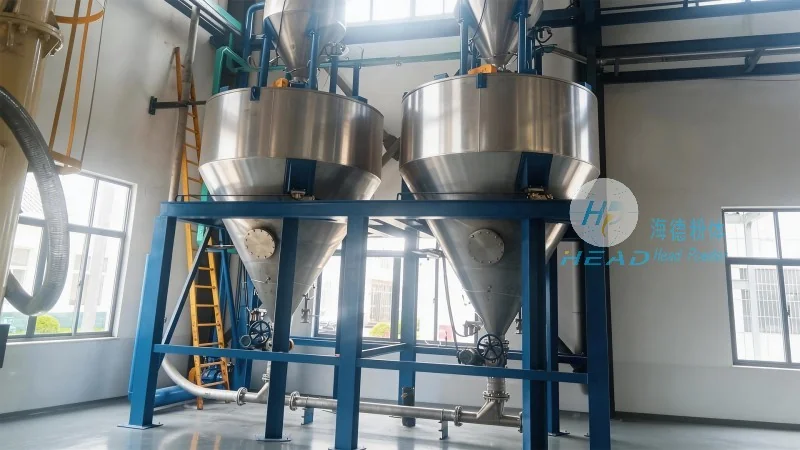
When selecting a pneumatic conveying system for paddy husk, it is essential to consider the specific requirements of the application, including distance, material characteristics, and operational costs. Positive pressure systems are generally more suitable for short to medium distances and for handling materials that are less prone to clogging. They offer better control over the material flow and are less likely to experience blockages. Negative pressure systems, on the other hand, are ideal for longer distances and for collecting material from multiple sources. They are more energy-efficient but require more careful maintenance to prevent clogging and ensure consistent performance. The choice between the two modes also depends on the available space and the layout of the facility. Positive pressure systems are often more compact and can be installed in tighter spaces, while negative pressure systems may require larger ducts and more extensive filtration systems.
Key Considerations for Implementing Pneumatic Conveying Systems
Regardless of the mode chosen, several factors must be considered to ensure the effective and efficient operation of a pneumatic conveying system for paddy husk. First, the material characteristics, such as particle size, moisture content, and flowability, must be thoroughly evaluated. This information helps in selecting the appropriate system design and components. Second, the system layout and pipeline configuration play a critical role in the performance of the conveying system. Properly sized and positioned inlets and outlets are essential to prevent clogging and ensure smooth material flow. Third, the air flow rate and pressure must be optimized to match the material's properties and the required transport distance. This involves calculating the necessary air velocity and pressure to maintain the material in suspension and prevent settlement. Fourth, the system must be equipped with appropriate filtration and dust collection equipment to comply with environmental regulations and maintain air quality. Regular maintenance and monitoring of the system are also crucial to ensure long-term reliability and performance.
Conclusion
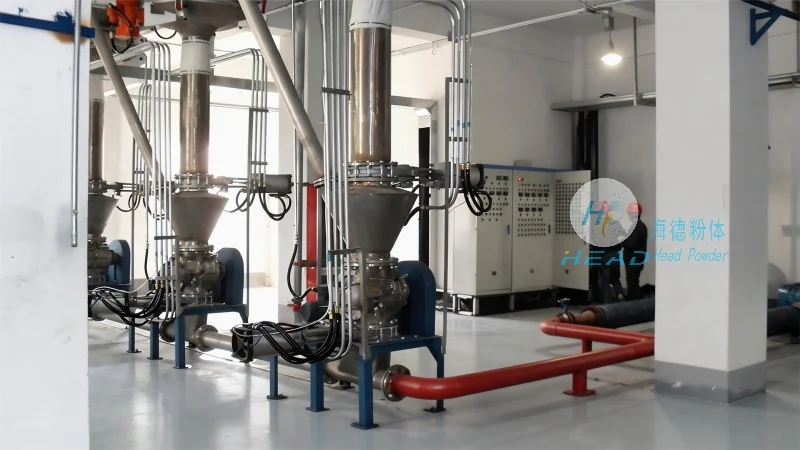
Pneumatic conveying technology offers a reliable and efficient solution for transporting paddy husk, with both positive and negative pressure modes providing distinct advantages depending on the application requirements. Positive pressure systems are ideal for short to medium distances and for handling materials with low clogging risk, while negative pressure systems are better suited for longer distances and for collecting material from multiple sources. By carefully evaluating the material characteristics, system layout, and operational constraints, industries can select the most appropriate pneumatic conveying system to enhance their production processes and improve overall efficiency.
About Shandong HeadPowder Engineering Co., Ltd.
Shandong HeadPowder Engineering Co., Ltd., a leading provider of pneumatic conveying solutions, specializes in designing and manufacturing customized systems for various bulk material handling applications. With years of experience in the industry, the company offers a range of high-quality equipment and services tailored to meet the specific needs of clients. HeadPowder's expertise in material handling technology ensures that their systems are efficient, reliable, and cost-effective, helping businesses optimize their operations and improve productivity. The company's commitment to quality and customer satisfaction has made it a trusted partner for industries dealing with agricultural byproducts and other bulk materials. HeadPowder's solutions are designed to enhance operational efficiency, reduce downtime, and minimize maintenance costs, providing long-term value to their clients.