

Analysis of Compound Fertilizer Pneumatic Conveying Technology: Comparison of Positive and Negative
Compound fertilizer pneumatic conveying technology is a critical component in the modern fertilizer production and distribution chain. This method involves transporting bulk materials like compound fertilizers through a pipeline system using air as the conveying medium. The efficiency and reliability of this technology directly impact production line throughput and operational costs. Two primary modes are widely adopted: positive pressure and negative pressure systems, each with distinct characteristics and applications.
Company Profile: Shandong HeadPowder Engineering Co., Ltd.
Shandong HeadPowder Engineering Co., Ltd., commonly known as HeadPowder, is a leading engineering firm specializing in the design, manufacturing, and installation of pneumatic conveying systems for the fertilizer industry. With headquarters in Shandong, China, the company leverages over two decades of experience to deliver customized solutions tailored to the unique needs of fertilizer manufacturers. HeadPowder's expertise spans the entire lifecycle of pneumatic conveying projects, from initial consultation and system design to on-site commissioning and after-sales support.
Understanding Positive Pressure Pneumatic Conveying
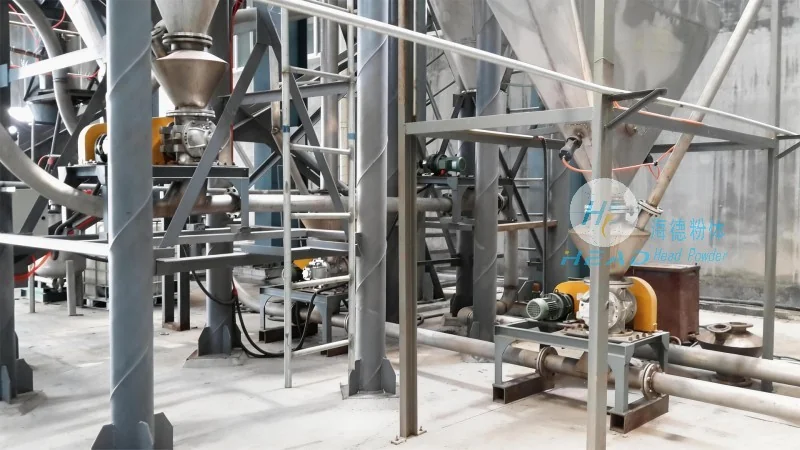
Positive pressure pneumatic conveying systems operate by generating air pressure within the conveying line, typically using a positive displacement blower or a centrifugal fan. The air is forced through the pipeline, carrying the fertilizer particles along with it. This mode is particularly effective for transporting dry, free-flowing materials over long distances or through complex network systems. The high pressure ensures consistent material flow and minimizes the risk of blockages, making it suitable for high-capacity applications. A key advantage of positive pressure systems is their ability to handle abrasive or corrosive materials without significant wear on the equipment. However, they require robust sealing and filtration systems to prevent dust leakage and maintain air quality.
Exploring Negative Pressure Pneumatic Conveying
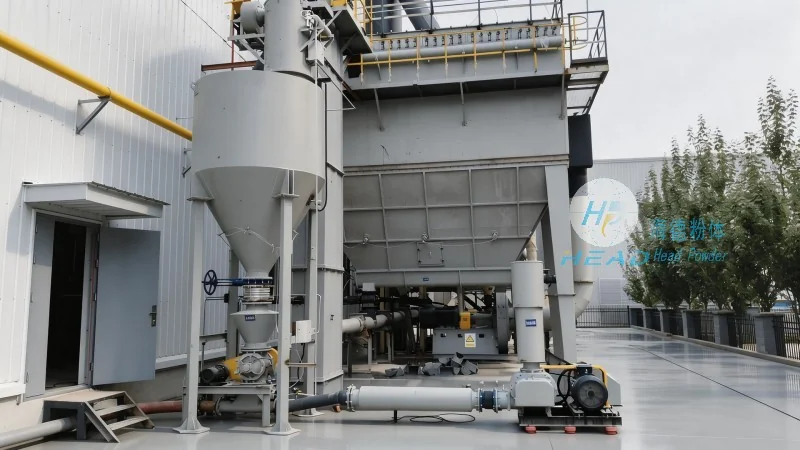
Negative pressure, or vacuum, pneumatic conveying systems work by creating a low-pressure environment in the pipeline, drawing material from the source using a vacuum pump. The material is then transported through the line and discharged at the destination. This mode is often preferred for applications requiring material transfer from multiple sources or for handling fine powders that are prone to dust generation. Negative pressure systems are generally more compact and easier to install in existing facilities, as they do not require high-pressure air compressors. However, they may be less efficient for long-distance or high-capacity transport due to the limitations of vacuum technology. Additionally, the system is more susceptible to blockages if the material contains moisture or agglomerates.
Key Differences Between Positive and Negative Pressure Modes
When comparing positive and negative pressure pneumatic conveying systems, several factors differentiate their performance and suitability. The most significant distinction lies in the pressure differential: positive pressure systems use high pressure to push material, while negative pressure systems use low pressure to pull material. This affects the system's energy consumption, as positive pressure systems typically require more power to operate. In terms of material handling, positive pressure is better suited for abrasive or heavy materials, whereas negative pressure excels with fine powders and materials that are sensitive to pressure changes. Installation considerations also vary, with positive pressure systems often requiring larger air compressors and more extensive ductwork, while negative pressure systems may need additional filtration and dust collection equipment to manage the vacuum environment.
Application Scenarios and Performance Metrics
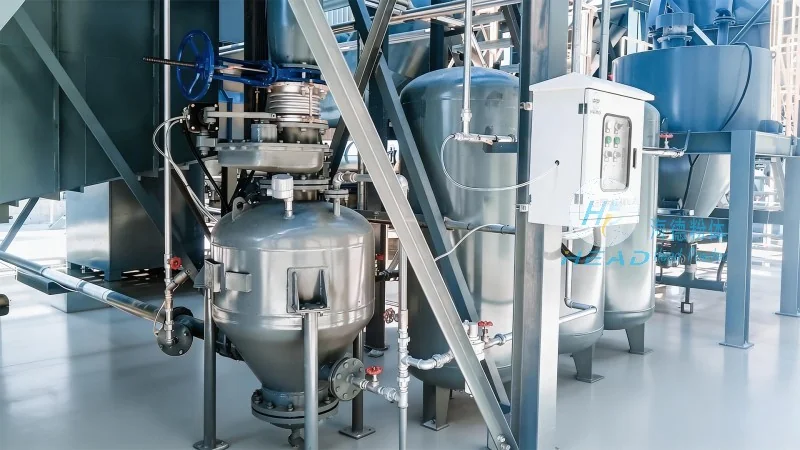
The choice between positive and negative pressure pneumatic conveying depends on specific operational requirements. For instance, large-scale fertilizer plants with high production rates often opt for positive pressure systems to maintain consistent throughput. Conversely, smaller facilities or those handling fine, dust-prone materials may prefer negative pressure due to its lower installation complexity. Performance metrics such as conveying capacity, distance, and material type are critical in determining the appropriate mode. Positive pressure systems typically achieve higher conveying capacities and longer distances, while negative pressure systems are more efficient for short to medium distances and fine powders. Energy consumption is another key factor, with positive pressure systems generally consuming more electricity due to the higher pressure requirements. Maintenance considerations also play a role, as positive pressure systems may require more frequent filter changes and blower maintenance, while negative pressure systems need regular vacuum pump checks and dust collection system upkeep.
Conclusion: Selecting the Right Pneumatic Conveying Mode
Both positive and negative pressure pneumatic conveying technologies offer viable solutions for compound fertilizer transport, each with its own set of advantages and limitations. The decision between the two modes should be based on a thorough analysis of operational needs, material characteristics, and infrastructure constraints. Shandong HeadPowder Engineering Co., Ltd. provides comprehensive technical support to help clients evaluate their specific requirements and select the most efficient conveying system. By understanding the nuances of positive and negative pressure modes, fertilizer manufacturers can optimize their production processes, reduce operational costs, and enhance overall system reliability. As the fertilizer industry continues to evolve, the adoption of advanced pneumatic conveying technologies remains essential for maintaining competitiveness and ensuring sustainable material handling practices.