

Analysis of Pneumatic Conveying Technology for Metal Particles: Comparison of Positive and Negative
Pneumatic conveying technology plays a crucial role in the efficient handling and transportation of metal particles across various industrial applications. This method involves transporting bulk materials through a pipeline using a stream of air or gas, offering advantages such as reduced equipment wear, improved safety, and the ability to handle abrasive or hazardous materials. For metal particles, which often require precise control and minimal contamination, selecting the appropriate conveying mode is critical to optimizing operational efficiency and product quality. Two primary modes dominate the industry: positive pressure and negative pressure systems, each with distinct characteristics and applications.
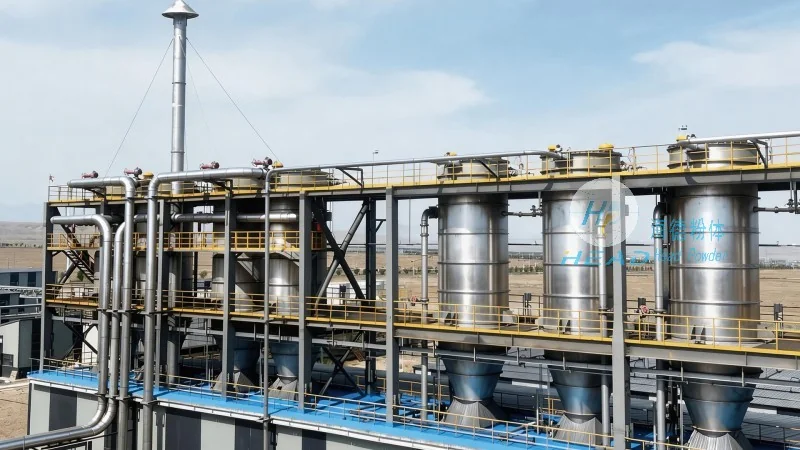
Positive Pressure Pneumatic Conveying Systems
Positive pressure systems operate by generating air pressure within the conveying line, typically using a positive displacement blower or a centrifugal fan. The air is forced through the pipeline, carrying the metal particles forward. This mode is particularly effective for conveying materials over long distances or through complex network systems, as the pressurized air maintains a consistent flow and prevents backflow. For metal particles, positive pressure systems are often preferred when dealing with abrasive or high-density materials, as the higher air velocity and pressure help to overcome resistance and ensure reliable transport. The equipment used in positive pressure systems includes a feed hopper, a rotary valve, and the conveying line, with the blower providing the necessary pressure to move the material. This mode is also suitable for applications requiring high throughput, as the continuous pressurization allows for uninterrupted operation. However, positive pressure systems may require more robust components to withstand the higher pressures and potential wear from abrasive particles, which can increase maintenance costs over time.
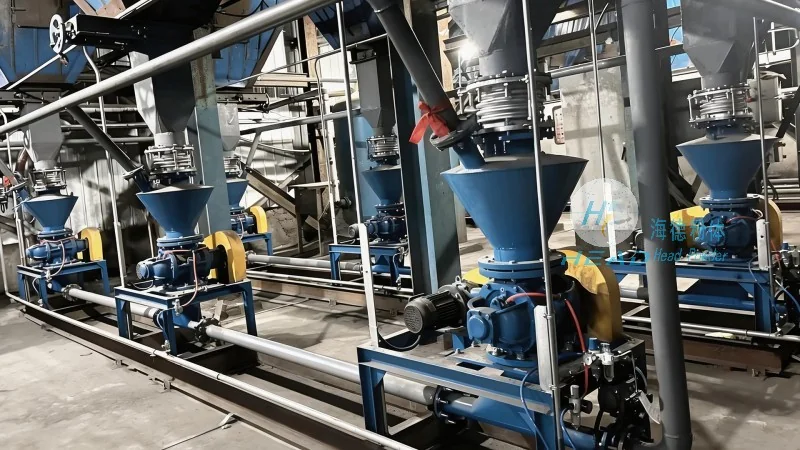
Negative Pressure Pneumatic Conveying Systems
Negative pressure systems, also known as suction or vacuum systems, operate by creating a vacuum in the conveying line, drawing the metal particles into the system using a fan or vacuum pump. The air is drawn through the pipeline, carrying the particles from the source to the destination. This mode is ideal for applications where the material source is at a higher elevation or where the system needs to handle fine particles that might be susceptible to dust or contamination. Negative pressure systems are often used in environments where dust control is a priority, as the sealed system prevents particles from escaping into the atmosphere. The equipment for negative pressure systems includes a vacuum fan, a collection hopper, and the conveying line, with the fan creating the necessary suction to draw the material. This mode is particularly effective for short to medium distance conveying and for handling materials that are prone to clogging or sticking. However, negative pressure systems may have limitations in terms of conveying distance and material density, as the lower air velocity and pressure can lead to reduced efficiency for heavy or abrasive particles. Additionally, the vacuum created may require more energy to maintain, potentially increasing operational costs.
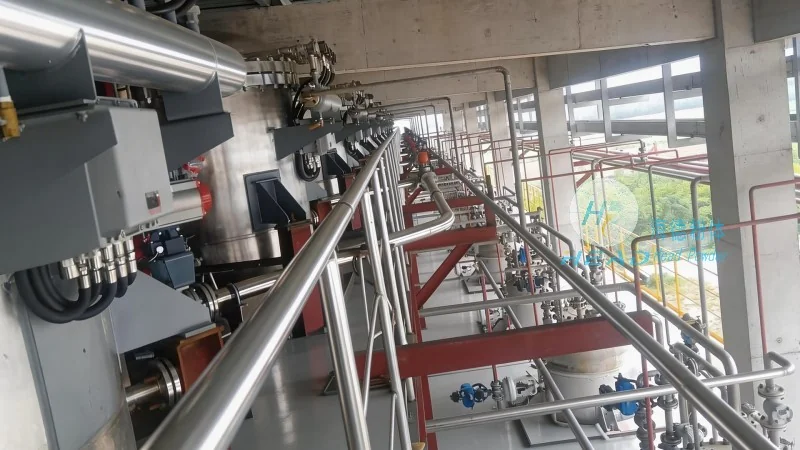
Comparison of Positive and Negative Pressure Modes
When selecting between positive and negative pressure pneumatic conveying systems for metal particles, several factors must be considered to ensure optimal performance. The primary difference lies in the direction of air flow and the pressure differential within the system. Positive pressure systems push the material forward, while negative pressure systems pull it, which affects the equipment design and operational requirements. For metal particles, the choice of mode depends on the specific application, including the distance to be covered, the material characteristics (such as density, abrasiveness, and particle size), and the required throughput. Positive pressure systems generally offer higher conveying capacities and are more suitable for long-distance or complex network applications, making them ideal for industrial settings where large volumes of metal particles need to be transported efficiently. Conversely, negative pressure systems are better suited for short-distance conveying, fine particles, and applications where dust control is critical, such as in food or pharmaceutical industries. Another key consideration is the maintenance and operational costs. Positive pressure systems may require more robust components to handle higher pressures and abrasive materials, leading to higher initial and maintenance costs. Negative pressure systems, while potentially more energy-efficient for short distances, may have higher energy costs due to the vacuum requirements and may also require more frequent cleaning to prevent clogging. Ultimately, the decision between positive and negative pressure modes should be based on a thorough analysis of the specific operational needs and material characteristics to maximize efficiency and minimize costs.
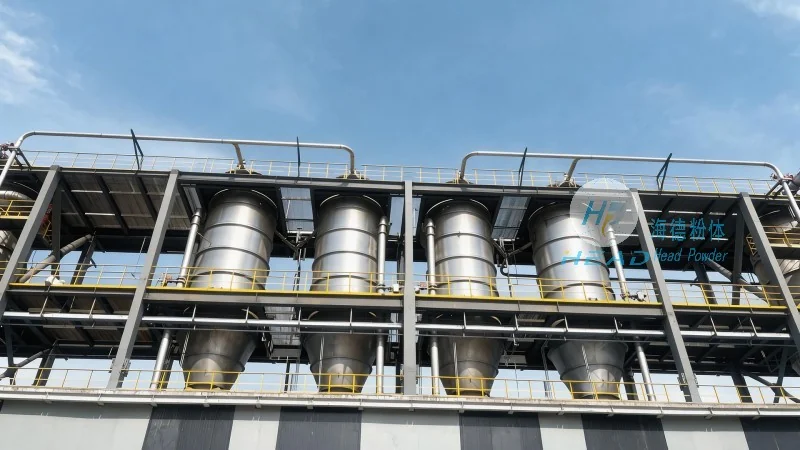
Company Information: Shandong HeadPowder Engineering Co., Ltd.
Shandong HeadPowder Engineering Co., Ltd., commonly known as headpowder, specializes in the design, manufacturing, and installation of pneumatic conveying systems tailored to the unique needs of metal particle handling. With a focus on innovation and quality, the company provides comprehensive solutions that integrate both positive and negative pressure technologies to meet diverse industrial requirements. Headpowder's facilities are located in Shandong, China, where the company leverages advanced engineering expertise and local resources to deliver reliable and efficient conveying systems. The company's commitment to customer satisfaction and technical excellence has established it as a trusted partner in the metal processing and material handling industries, offering customized solutions that enhance operational efficiency and product integrity. Whether for long-distance transport or short-distance handling, headpowder's expertise ensures that metal particles are conveyed safely and effectively, meeting the highest standards of performance and reliability.