

Coal and Sand Pneumatic Conveying Technology: In-Depth Analysis of Negative Pressure and Positive Pr
HeadPowder, a leading provider of industrial conveying solutions, specializes in advanced pneumatic conveying systems tailored for the efficient transport of coal and sand materials. This article delves into the core technologies of negative pressure and positive pressure pneumatic conveying, exploring their applications, advantages, and practical considerations for industrial operations.
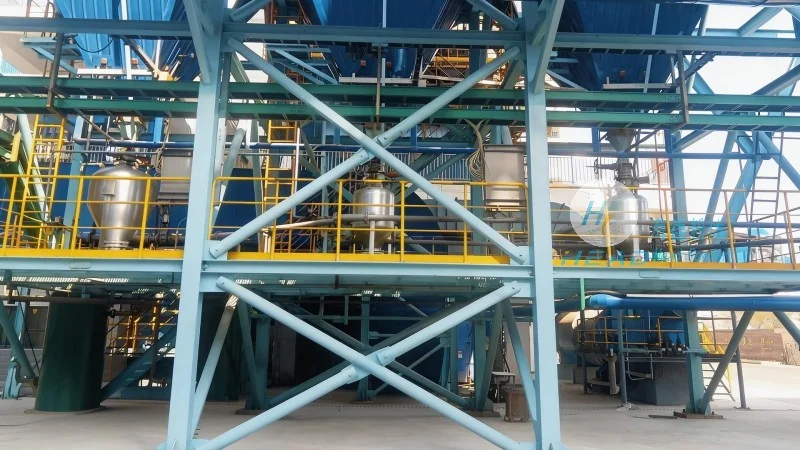
Introduction to Pneumatic Conveying Systems for Coal and Sand
Pneumatic conveying is a critical method for transporting bulk materials like coal and sand over short to medium distances within industrial facilities. Unlike traditional mechanical conveyors, pneumatic systems use air or gas as the medium to move materials, offering flexibility, reduced maintenance, and the ability to handle materials with varying properties. The choice between negative pressure (suction) and positive pressure (blow) systems depends on factors such as material characteristics, distance, and operational requirements.
Negative Pressure (Suction) Pneumatic Conveying Systems
Negative pressure systems operate by creating a vacuum at the material intake point, drawing the material into the conveying line. This method is particularly effective for handling dusty or fine materials, as it minimizes the risk of dust dispersion. The system typically includes a vacuum pump, a filter to capture particulates, and a discharge valve at the receiving end. For coal and sand applications, negative pressure conveying is often used in scenarios where the material source is located at a higher elevation or where dust control is a primary concern.
Key Components of Negative Pressure Conveying
The primary components of a negative pressure system include the vacuum source (such as a rotary vane or liquid ring pump), a filter unit to ensure air quality and prevent material buildup, and a conveying line made of materials resistant to abrasion and corrosion. The filter is a critical component, as it must efficiently capture fine particles while maintaining adequate airflow. In coal and sand applications, the filter may be designed with high-efficiency particulate air (HEPA) or bag filters to handle the specific dust characteristics of these materials.
Advantages of Negative Pressure Conveying
One of the main advantages of negative pressure systems is their ability to handle materials that are prone to dust generation. By drawing material into the system, the risk of external dust release is minimized, making it suitable for indoor or enclosed environments. Additionally, negative pressure systems are generally more energy-efficient for shorter conveying distances, as they require less power to create a vacuum compared to positive pressure systems. However, they may have limitations in terms of conveying distance and material capacity, as the vacuum strength diminishes over longer distances.
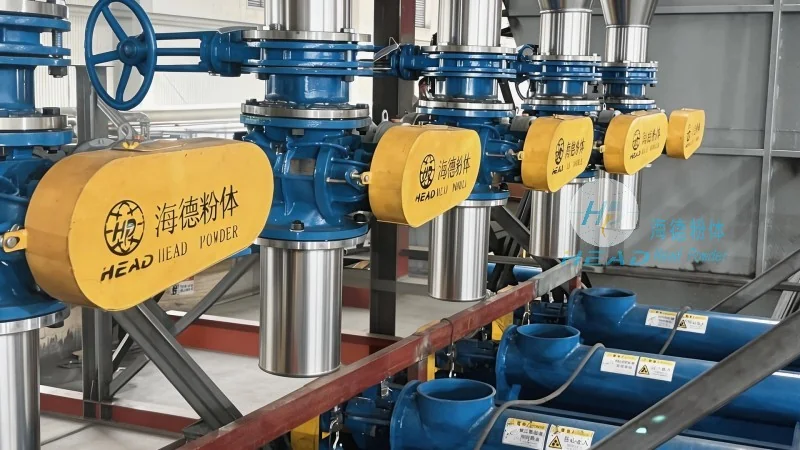
Positive Pressure (Blow) Pneumatic Conveying Systems
Positive pressure systems, in contrast, use a blower or compressor to generate pressure within the conveying line, pushing the material forward. This method is ideal for applications requiring higher material flow rates or longer distances. Positive pressure conveying is commonly used in industries where the material source is at a lower elevation or where the material is less dusty. The system typically includes a pressure blower, a hopper for material storage, and a discharge valve at the receiving end.
Key Components of Positive Pressure Conveying
Key components of a positive pressure system include the pressure blower (often a centrifugal or rotary lobe type), a material feeder to control the flow rate, and a conveying line designed to withstand internal pressure. The feeder is crucial for maintaining consistent material flow, as it prevents blockages and ensures smooth operation. For coal and sand, the feeder may be a rotary valve or a screw conveyor, depending on the material's bulk density and flow characteristics.
Advantages of Positive Pressure Conveying
Positive pressure systems offer several advantages, including higher material throughput and longer conveying distances. The pressure generated by the blower allows for efficient transport of materials over distances of several hundred meters, making it suitable for larger industrial plants. Additionally, positive pressure systems are generally more reliable for abrasive materials like coal and sand, as the pressure helps maintain the integrity of the conveying line and reduces the risk of material buildup. However, they may require more maintenance due to the higher pressure and potential for wear on components.
Comparative Analysis: Negative vs. Positive Pressure
When selecting between negative and positive pressure systems for coal and sand, several factors must be considered. The primary considerations include the distance between the source and destination, the material's dustiness, the required flow rate, and the environmental constraints. For short distances and dusty materials, negative pressure is often preferred due to its dust control benefits. For longer distances and higher flow rates, positive pressure systems are more suitable. Additionally, the cost of equipment and maintenance should be evaluated, as negative pressure systems may have lower initial costs but higher operational costs due to the vacuum pump.
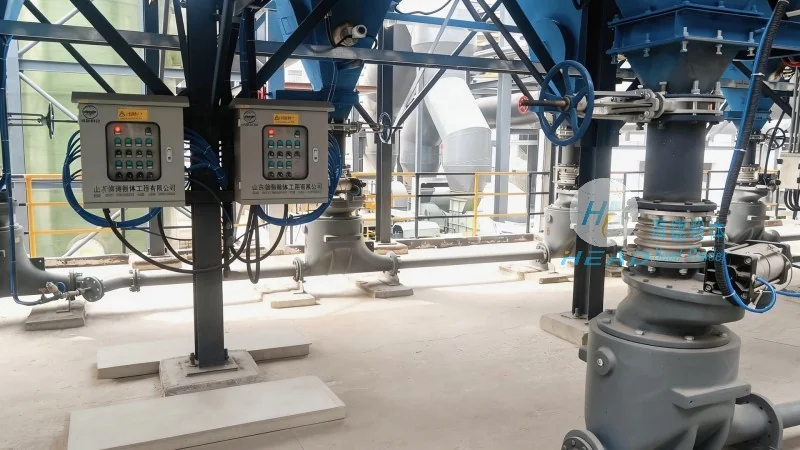
Application Examples in Coal and Sand Handling
HeadPowder's pneumatic conveying solutions are widely applied in coal and sand processing facilities. For instance, in coal preparation plants, negative pressure systems are used to transport fine coal dust from crushers to storage silos, minimizing dust exposure for workers. In sand mining operations, positive pressure systems are employed to move sand from stockpiles to processing units over longer distances. These applications demonstrate the versatility of pneumatic conveying systems in handling bulk materials with varying properties and operational requirements.
Customization and Integration with Industrial Processes
HeadPowder specializes in customizing pneumatic conveying systems to meet the specific needs of industrial clients. The company's engineers work closely with clients to assess material characteristics, operational parameters, and site constraints to design an optimal conveying solution. Customization may include adjustments to the conveying line diameter, the type of filter or feeder, and the control system to ensure efficient and reliable operation. Additionally, the systems can be integrated with existing industrial processes, such as crushing, screening, or storage, to create a seamless material flow from source to destination.
Maintenance and Operational Considerations
Proper maintenance is essential to ensure the longevity and efficiency of pneumatic conveying systems. Regular inspection of components, such as filters, blowers, and conveying lines, is necessary to prevent performance degradation. For coal and sand applications, the filter may need to be cleaned or replaced more frequently due to the abrasive nature of the materials. Additionally, the system should be checked for leaks or blockages, as these can reduce conveying efficiency and increase energy consumption. HeadPowder provides maintenance services and technical support to help clients optimize their systems and minimize downtime.
Conclusion
Pneumatic conveying systems, whether negative or positive pressure, offer efficient and flexible solutions for transporting coal and sand materials in industrial settings. The choice between the two systems depends on specific operational requirements, with negative pressure being suitable for dust control and shorter distances, and positive pressure for higher flow rates and longer distances. HeadPowder, with its expertise in industrial conveying, provides tailored solutions that enhance material handling efficiency, reduce operational costs, and improve workplace safety. By leveraging advanced technology and customization, HeadPowder helps clients optimize their coal and sand processing operations and achieve their production goals.