

Advantages and Disadvantages Comparison of Negative Pressure and Positive Pressure Conveying in Dry
Dry powder gas-pneumatic transport is a critical technology in the handling of bulk materials, particularly in industries such as cement, chemical, and food processing. The choice between negative pressure (suction) and positive pressure (blowing) conveying systems significantly impacts operational efficiency, cost, and material quality. This article provides a detailed comparison of the advantages and disadvantages of negative pressure and positive pressure conveying in dry powder applications, with a focus on practical considerations for system design and implementation.
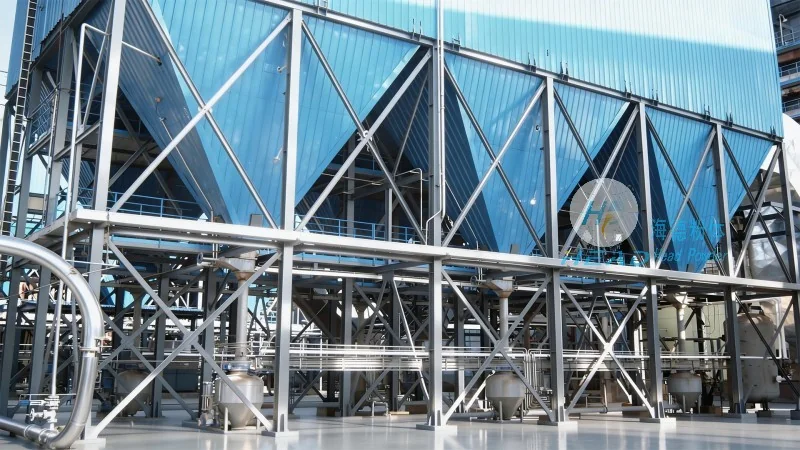
Company Profile: Shandong HeadPowder Engineering Co., Ltd.
As a leading provider of engineering solutions for bulk material handling, Shandong HeadPowder Engineering Co., Ltd. specializes in the design, manufacturing, and installation of gas-pneumatic conveying systems. With a strong commitment to innovation and customer satisfaction, HeadPowder delivers tailored solutions that meet the unique demands of industrial applications. The company’s headquarters is located in Shandong, China, serving clients globally with expertise in dry powder transport technologies.
Understanding Negative Pressure (Suction) Conveying
Negative pressure conveying, also known as suction conveying, operates by creating a low-pressure zone at the material inlet, drawing the powder into the system through a vacuum. This method is particularly effective for applications requiring the collection of dust or fine powders from a source, such as a silo or hopper. The primary advantages of negative pressure systems include:
- Reduced material spillage and contamination, as the system draws material into the pipeline rather than pushing it out.
- Lower energy consumption compared to positive pressure systems, as the vacuum pump operates at a lower pressure differential.
- Improved safety for operators, as the system does not generate high-pressure air that could cause leaks or explosions.
However, negative pressure conveying also has notable disadvantages. The main drawback is the potential for air leakage into the material stream, which can lead to increased moisture content and material degradation. Additionally, the system may be less efficient for long-distance or high-capacity applications, as the vacuum pressure drops with distance, reducing the conveying velocity. Another challenge is the need for proper filtration and dust collection systems to prevent air pollution and ensure compliance with environmental regulations.
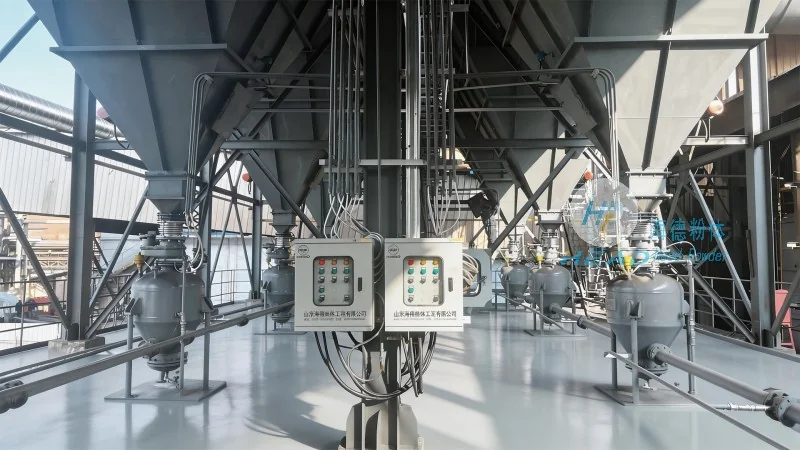
Understanding Positive Pressure (Blowing) Conveying
Positive pressure conveying, or blowing conveying, works by injecting high-pressure air into the material stream, pushing the powder through the pipeline. This method is commonly used for applications requiring the transport of bulk materials over longer distances or at higher capacities. The key advantages of positive pressure systems include:
- Higher conveying velocities and longer transport distances, as the system can generate higher pressure differentials.
- Reduced risk of material degradation, as the system does not involve vacuum-induced moisture absorption.
- Improved system reliability, as positive pressure systems are less susceptible to air leaks and can handle a wider range of material types.
Nevertheless, positive pressure conveying has its own set of challenges. The primary disadvantage is higher energy consumption due to the need for high-pressure air compressors. This increases operational costs, especially for large-scale systems. Additionally, the system may cause more material spillage and contamination if not properly sealed, as the high-pressure air can escape and carry fine particles. Another concern is the potential for air pollution, as the system releases compressed air into the atmosphere, requiring additional filtration and exhaust systems.
Key Considerations for Choosing Between Conveying Systems
The decision between negative and positive pressure conveying depends on several factors, including the nature of the material, the distance and capacity requirements, and the operational environment. For applications involving fine powders or dust collection, negative pressure systems are often preferred due to their ability to draw material without causing excessive pressure differentials. Conversely, for bulk material transport over long distances, positive pressure systems may be more suitable due to their higher conveying efficiency.
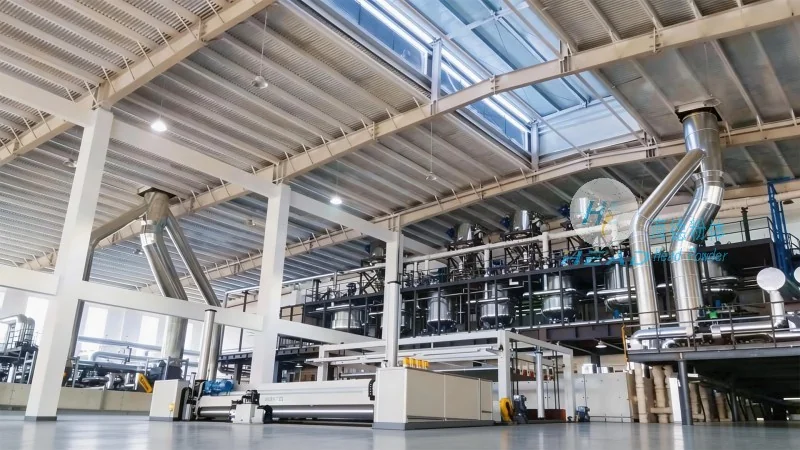
Material properties, such as particle size, moisture content, and abrasiveness, also play a critical role in system selection. For example, abrasive materials may require more robust pipeline and component designs in positive pressure systems to prevent wear and tear. Similarly, materials with high moisture content may benefit from negative pressure systems, as the vacuum can help remove moisture from the material stream, reducing caking and blockages.
Environmental regulations and safety considerations are also important factors. Negative pressure systems are generally more environmentally friendly, as they do not release high-pressure air into the atmosphere. However, they require effective dust collection systems to prevent air pollution. Positive pressure systems, while more efficient for some applications, may need additional filtration and exhaust systems to comply with emission standards.
Conclusion and Recommendations
Both negative pressure and positive pressure conveying systems have their unique advantages and disadvantages in dry powder gas-pneumatic transport. The optimal choice depends on the specific requirements of the application, including material characteristics, transport distance, and operational constraints. Shandong HeadPowder Engineering Co., Ltd. offers comprehensive solutions tailored to these needs, providing expert guidance and customized systems that maximize efficiency and minimize costs. By understanding the trade-offs between suction and blowing conveying, industries can select the most appropriate technology to ensure reliable and sustainable bulk material handling.