

Comparison of Negative Pressure and Positive Pressure Pneumatic Conveying for Soybean Transport
When it comes to the efficient and reliable transport of soybeans, pneumatic conveying systems offer a versatile solution. Among the various methods available, negative pressure and positive pressure pneumatic conveying stand out as two primary approaches. Understanding the advantages and disadvantages of each is crucial for selecting the most suitable system for specific applications. This article provides a detailed comparison of negative pressure and positive pressure pneumatic conveying in the context of soybean handling, highlighting key factors that influence their performance and suitability. The insights shared here are based on the expertise of Shandong HeadPowder Engineering Co., Ltd., a leading provider of pneumatic conveying solutions in China, with operations based in Shandong.
Introduction to Pneumatic Conveying for Soybeans
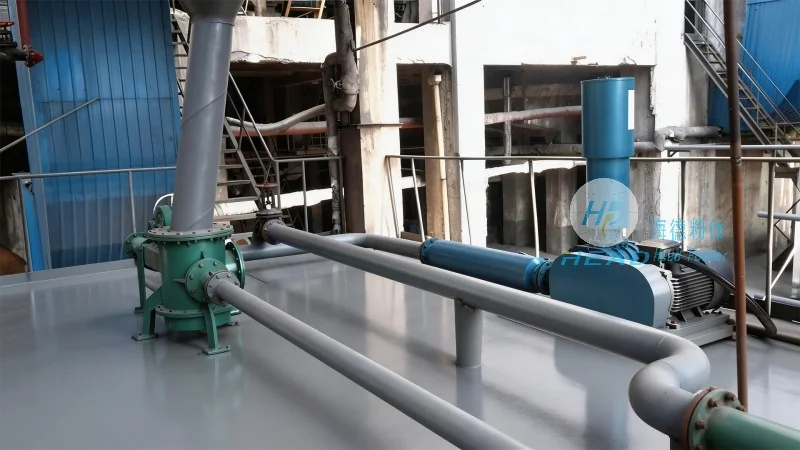
Pneumatic conveying systems utilize air to transport bulk materials like soybeans through a pipeline network. These systems are widely used in the agricultural and food processing industries due to their ability to handle large volumes of material with minimal labor. The choice between negative pressure and positive pressure systems depends on several factors, including the distance of transport, the material characteristics, and the operational requirements. Both methods have their own set of benefits and drawbacks, which are explored in detail below.
Negative Pressure Pneumatic Conveying
Negative pressure, also known as suction or vacuum conveying, operates by creating a vacuum at the receiving end of the system. This vacuum draws the soybeans into the pipeline as air is drawn through the material. The system typically includes a vacuum pump, a hopper for material storage, and a filter to separate the material from the air. Negative pressure systems are particularly effective for short to medium-distance transport, typically up to 100 meters, and are often used in applications where the material is to be collected from multiple points.
One of the main advantages of negative pressure conveying is its ability to handle fine or dusty materials without causing excessive wear on the system components. The low air velocity in the pipeline reduces the risk of material degradation and ensures a gentle handling process. Additionally, negative pressure systems are generally more energy-efficient for short distances, as they require less power to maintain the vacuum compared to positive pressure systems.
However, negative pressure systems have limitations. The maximum conveying distance is restricted, as the vacuum pressure drops significantly over longer distances. This makes them less suitable for long-distance transport, such as moving soybeans from a field to a processing plant over several kilometers. Another drawback is the potential for air leakage, which can reduce the system's efficiency and increase energy consumption. The system also requires regular maintenance of the vacuum pump and filter to ensure optimal performance.
Positive Pressure Pneumatic Conveying
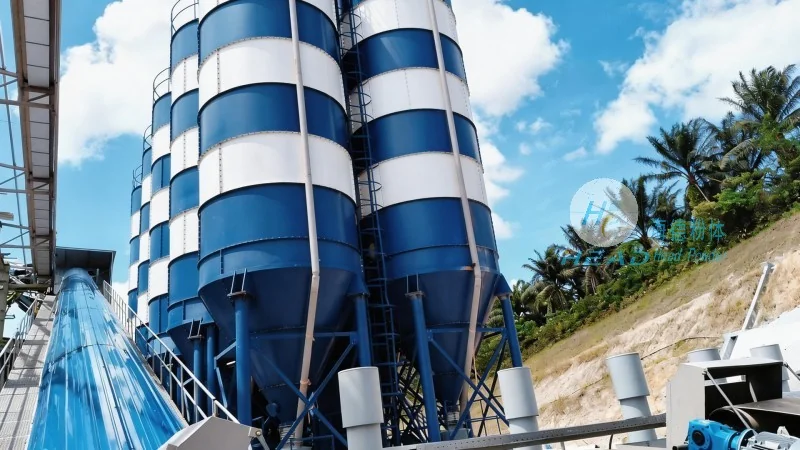
Positive pressure, or pressure conveying, works by blowing air into the pipeline under pressure, pushing the soybeans forward. This method is suitable for longer distances, typically up to several hundred meters or more, and is commonly used in applications where the material needs to be transported from a central point to multiple destinations. The system consists of a blower, a hopper, and a pipeline network with appropriate valves and controls.
Positive pressure conveying offers several advantages, particularly for longer distances. The higher air velocity allows for greater conveying capacity and the ability to transport materials over longer distances without significant pressure loss. This makes it ideal for large-scale operations where soybeans need to be moved from a processing facility to storage or shipping locations. Additionally, positive pressure systems are generally more robust and less prone to air leakage compared to negative pressure systems, as the pressure is maintained throughout the pipeline.
Despite these benefits, positive pressure conveying has its own set of challenges. The higher air velocity can lead to increased wear on the pipeline and system components, especially if the soybeans are abrasive. This may require more frequent maintenance and replacement of parts. Furthermore, positive pressure systems are more energy-intensive, as they require a continuous supply of compressed air to maintain the pressure. The higher energy consumption can increase operational costs, especially for large-scale operations.
Key Factors Influencing System Selection
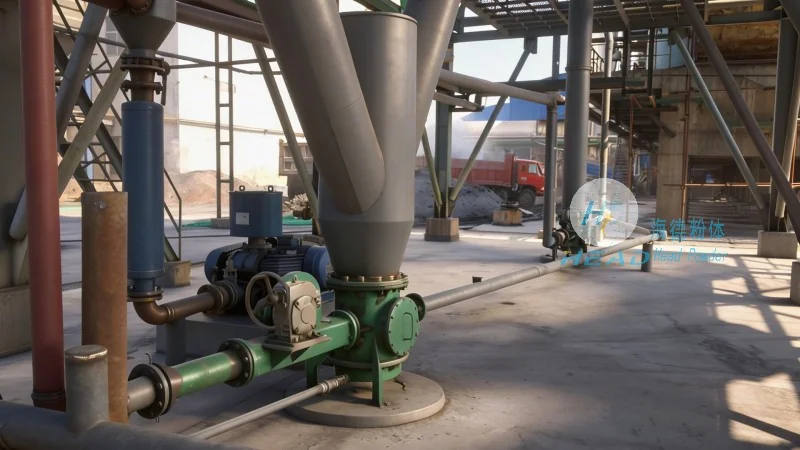
The choice between negative pressure and positive pressure pneumatic conveying for soybean transport depends on several key factors. The most critical factor is the distance of transport. For short distances, negative pressure systems are often more cost-effective and efficient. For longer distances, positive pressure systems are generally preferred due to their ability to handle greater distances and higher volumes.
Material characteristics also play a significant role. If the soybeans are fine or dusty, negative pressure systems may be more suitable as they handle such materials more gently. However, if the material is coarse or abrasive, positive pressure systems with appropriate wear-resistant components may be necessary to prevent damage to the system.
Operational requirements, such as the need for multiple collection points or the presence of vertical lifts, also influence the system choice. Negative pressure systems are often preferred for applications with multiple collection points, as they can easily draw material from various sources. Positive pressure systems, on the other hand, are better suited for applications requiring vertical lifts or long horizontal distances.
Conclusion
In conclusion, both negative pressure and positive pressure pneumatic conveying systems offer viable solutions for soybean transport, each with its own set of advantages and disadvantages. The selection of the most appropriate system depends on the specific requirements of the application, including the distance of transport, material characteristics, and operational needs. By carefully evaluating these factors, industries can choose the most efficient and cost-effective pneumatic conveying system for their soybean handling operations.