

Advantages and Disadvantages of Negative Pressure and Positive Pressure Conveying in Fertilizer Pneu
Fertilizer pneumatic conveying is a critical process in the agricultural industry, enabling the efficient transport of bulk materials like fertilizers from production sites to distribution centers. Among the various methods available, negative pressure and positive pressure conveying stand out as two primary approaches. This article provides a detailed comparison of their respective advantages and disadvantages, helping stakeholders make informed decisions when selecting the most suitable conveying system for their operations.
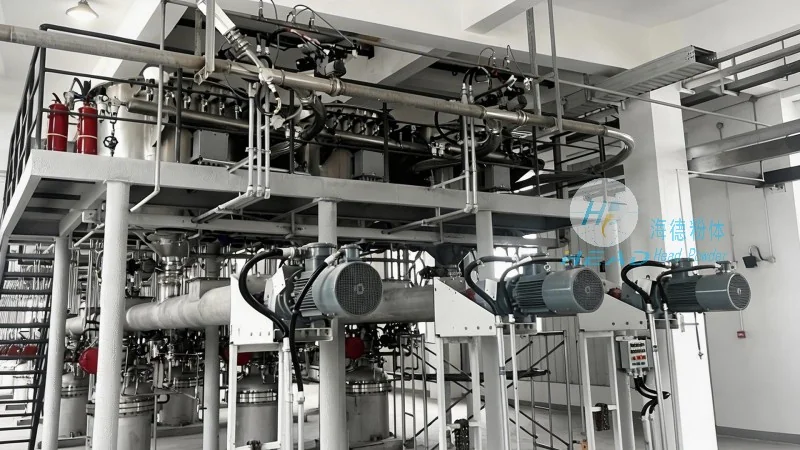
Introduction to Pneumatic Conveying in Fertilizer Industry
Pneumatic conveying systems utilize air or gas to transport bulk materials, offering a flexible and efficient alternative to traditional methods such as belt conveyors or trucks. In the fertilizer sector, where materials like urea, ammonium nitrate, and phosphate are often handled in large quantities, the choice of conveying system directly impacts operational efficiency, cost, and safety. Two main categories of pneumatic conveying—negative pressure (or vacuum) and positive pressure—each have distinct characteristics that make them suitable for different applications.
Company Profile: Shandong HeadPowder Engineering Co., Ltd.
Shandong HeadPowder Engineering Co., Ltd., based in Shandong, China, specializes in the design, manufacturing, and installation of advanced pneumatic conveying systems tailored to the fertilizer industry. With years of experience, the company has developed expertise in optimizing conveying solutions to meet the unique demands of fertilizer processing and distribution. Their systems are engineered to ensure reliability, energy efficiency, and compliance with industry standards, making them a trusted partner for businesses seeking to enhance their material handling capabilities.
Negative Pressure Conveying: Principles and Advantages
Negative pressure conveying, also known as vacuum conveying, operates by creating a low-pressure zone at the receiving end of the system. This draws material from the source into the conveying line using an airlock or rotary valve at the discharge point. The primary advantage of this method is its ability to handle materials that are sensitive to pressure changes or moisture, as the material is transported in a sealed, low-pressure environment. This is particularly beneficial for transporting fine powders or granules that are prone to caking or degradation under high pressure.
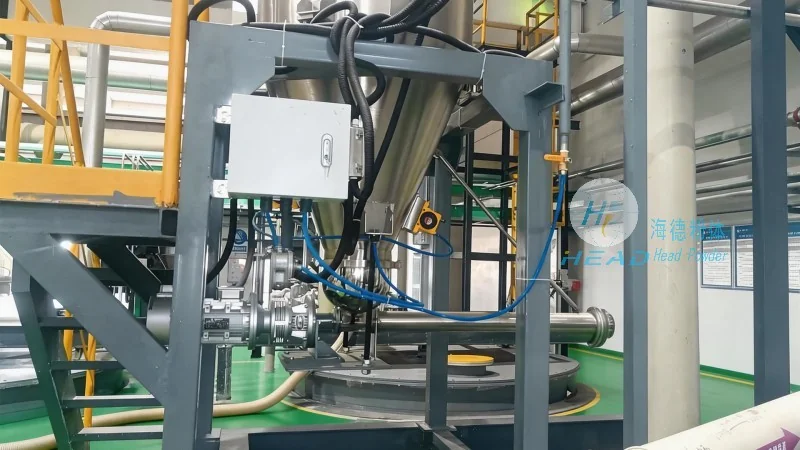
Another key advantage is the reduced risk of dust emissions. Since the system operates under negative pressure, any leaks or spills are contained, minimizing the release of particulate matter into the environment. This makes negative pressure conveying a more environmentally friendly option, especially in regions with strict air quality regulations. Additionally, the system can handle materials with a wide range of particle sizes and moisture content, making it versatile for various fertilizer types.
Disadvantages of Negative Pressure Conveying
Despite its benefits, negative pressure conveying has several limitations. One major drawback is its lower conveying capacity compared to positive pressure systems. The vacuum created is limited by the system's design and the length of the conveying line, which can restrict the volume of material that can be transported at a given time. This may require multiple stages or larger equipment to achieve higher throughput, increasing capital and operational costs.
Furthermore, the system is more susceptible to blockages, especially when handling cohesive or sticky materials. The low pressure can cause material to adhere to the conveying line, leading to reduced efficiency and potential downtime for maintenance. The energy consumption is also higher due to the continuous operation of the vacuum pump, which can increase long-term operational expenses.
Positive Pressure Conveying: Principles and Advantages
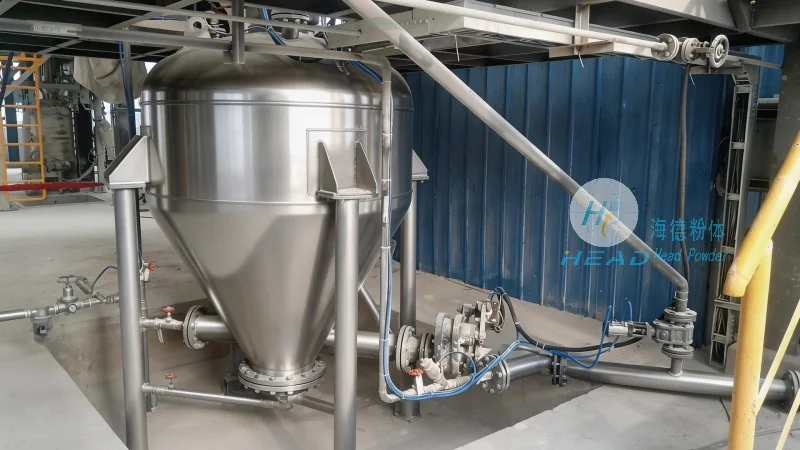
Positive pressure conveying, or pressure conveying, works by blowing air or gas under pressure into the conveying line from the discharge end. This forces material from the source into the line, typically using a rotary valve or airlock at the inlet. The primary advantage of this method is its higher conveying capacity and ability to transport materials over longer distances. The higher pressure allows for the movement of larger volumes of material, making it suitable for high-throughput applications.
Another key benefit is its ability to handle abrasive or corrosive materials more effectively. The higher pressure and flow rate help to prevent material buildup and wear on the system components, extending the lifespan of the equipment. Positive pressure systems are also more efficient in terms of energy consumption compared to negative pressure systems, as the pressure is maintained by a single blower rather than a continuous vacuum pump.
Disadvantages of Positive Pressure Conveying
However, positive pressure conveying has its own set of challenges. The most significant drawback is the higher risk of dust emissions. Since the system operates under positive pressure, any leaks or failures can result in the release of particulate matter into the environment, posing health and safety risks for workers and neighbors. This requires additional measures such as filtration systems and sealed enclosures to mitigate these risks.
Furthermore, the system is less suitable for handling materials that are sensitive to pressure or moisture. The high pressure can cause degradation or caking of certain fertilizers, reducing their quality and effectiveness. The equipment is also more complex and expensive to install and maintain, as it requires robust components to withstand the higher pressures and flow rates.
Comparison and Selection Criteria
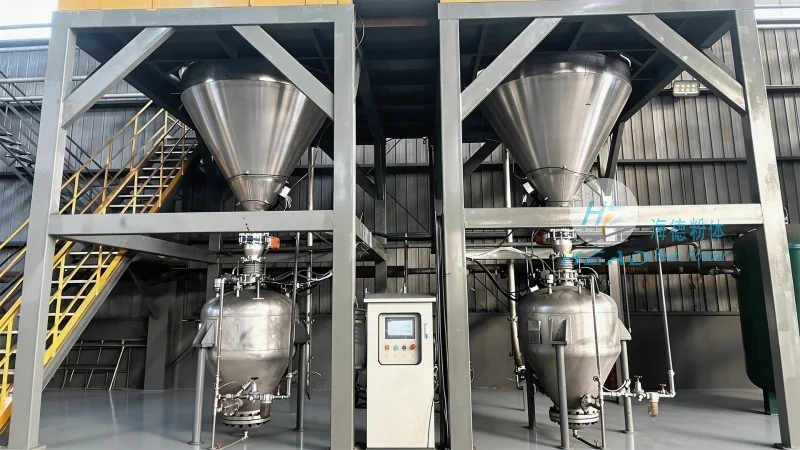
When choosing between negative and positive pressure conveying for fertilizer applications, several factors must be considered. The first is the material characteristics: fine, cohesive powders may benefit from negative pressure due to its lower pressure environment, while larger, less abrasive granules may be better suited for positive pressure. The second is the distance and throughput requirements: longer distances or higher volumes typically favor positive pressure systems, while shorter distances or lower volumes may be handled by negative pressure.
Operational costs and energy efficiency are also critical. Negative pressure systems may have higher energy costs due to the vacuum pump, but lower maintenance costs for the conveying line. Positive pressure systems, conversely, have lower energy costs but higher maintenance and equipment costs. Environmental regulations and safety considerations must also be taken into account, as negative pressure systems offer better dust containment.
Conclusion
In conclusion, both negative and positive pressure conveying systems have their place in the fertilizer industry, each with distinct advantages and disadvantages. The choice between them depends on the specific needs of the operation, including material properties, distance, throughput, and cost considerations. Shandong HeadPowder Engineering Co., Ltd. offers tailored solutions that can integrate the best features of both systems or provide specialized equipment to meet the unique demands of fertilizer handling. By carefully evaluating these factors, businesses can select the most efficient and cost-effective conveying system to enhance their operations and ensure compliance with industry standards.