

Advantages and Disadvantages Comparison of Negative Pressure and Positive Pressure Conveying for Nic
When it comes to the pneumatic conveying of nickel sulfate, the choice between negative pressure and positive pressure systems is a critical decision for industrial operations. Both methods have distinct characteristics that can impact efficiency, cost, and operational safety. This article provides a detailed comparison of the advantages and disadvantages of negative pressure and positive pressure conveying for nickel sulfate, helping industrial professionals make informed decisions.
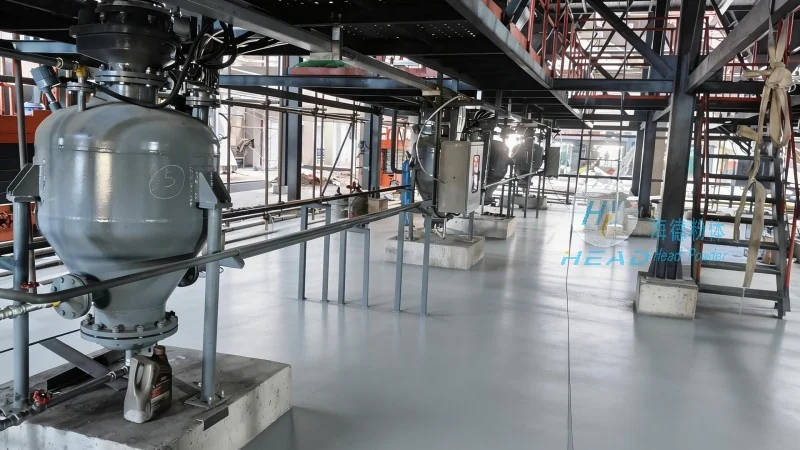
Introduction to Nickel Sulfate Pneumatic Conveying
Nickel sulfate is a widely used chemical in various industries, including battery manufacturing, electroplating, and chemical synthesis. The efficient and safe transportation of nickel sulfate from storage to processing units is essential for maintaining production continuity and minimizing material loss. Pneumatic conveying offers a non-contact method for transporting bulk materials like nickel sulfate, which is often preferred over traditional methods such as belt conveyors or trucks due to its ability to handle fine powders and reduce contamination risks.
Understanding Negative Pressure Conveying
Negative pressure conveying, also known as suction conveying, operates by creating a low-pressure zone at the material inlet. This low pressure draws the material into the conveying line using a vacuum pump. The system typically involves a hopper or storage silo from which the material is drawn into the pipeline. The primary advantage of negative pressure systems is their ability to convey materials from multiple sources or over long distances without the need for additional pressure boosters. This makes them suitable for applications where the material needs to be transported from a higher elevation to a lower one or over significant horizontal distances.
However, negative pressure conveying has several drawbacks. One of the main challenges is the risk of dust leakage and air contamination, as the system operates under a vacuum. This can lead to environmental and health hazards if proper sealing and filtration are not implemented. Additionally, the system's capacity is often limited by the vacuum pump's power and the material's flow characteristics. For nickel sulfate, which is a fine powder, the risk of clogging and blockages increases, requiring more frequent maintenance and cleaning of the conveying line.
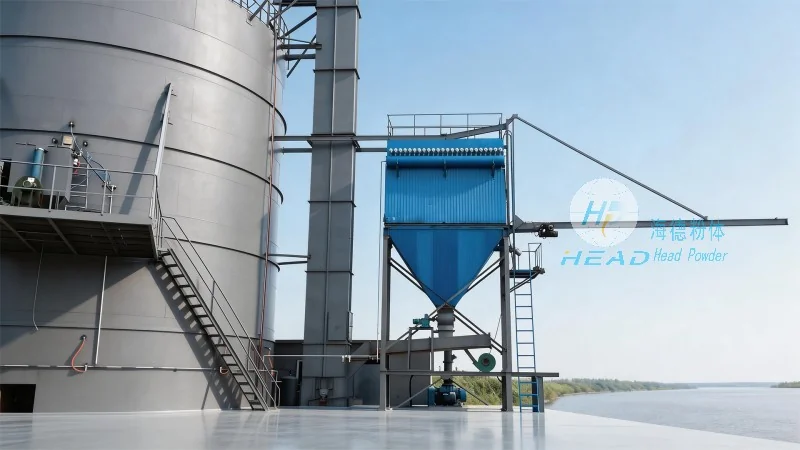
Understanding Positive Pressure Conveying
Positive pressure conveying, or pressure conveying, works by forcing air or gas through the material in the conveying line using a positive pressure blower or compressor. The material is pushed through the pipeline from the source to the destination. This method is generally more suitable for transporting materials over shorter distances or when the material needs to be elevated from a lower to a higher level. The primary advantage of positive pressure systems is their ability to handle higher material flow rates and more abrasive materials without significant wear on the equipment. For nickel sulfate, which can be abrasive and prone to clogging, positive pressure systems often provide better performance due to the continuous flow of air that helps prevent material buildup.
Nevertheless, positive pressure conveying also has its limitations. The system requires more energy to operate, as it relies on a constant pressure source. This can increase operational costs, especially for large-scale operations. Additionally, the equipment, such as the blower and pipeline, is more susceptible to wear and tear due to the high-pressure air and abrasive material. Regular maintenance is necessary to prevent leaks and ensure consistent performance. For nickel sulfate, the high pressure can also cause the material to degrade or lose its properties if not handled carefully.
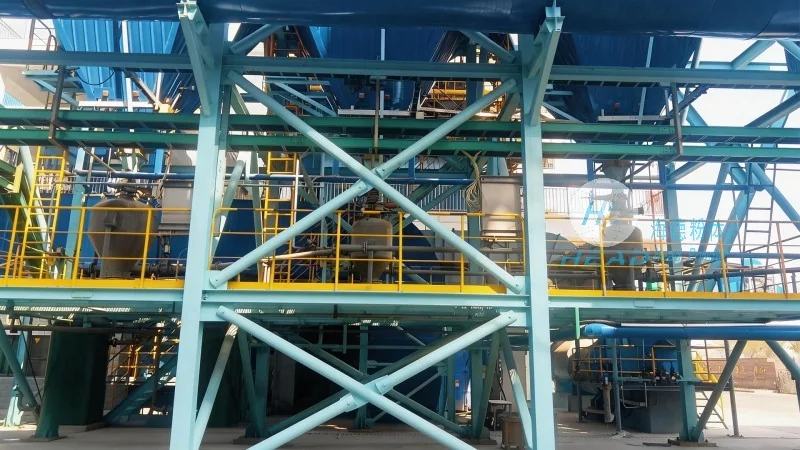
Comparison of Negative and Positive Pressure Conveying for Nickel Sulfate
When comparing negative and positive pressure conveying for nickel sulfate, several factors must be considered. The choice depends on the specific application, the distance and elevation changes, the material's properties, and the available budget. Negative pressure systems are generally more energy-efficient and suitable for long-distance or multi-source conveying, but they pose higher risks of dust leakage and require more maintenance for fine powders like nickel sulfate. Positive pressure systems, on the other hand, offer higher capacity and better handling of abrasive materials but are more energy-intensive and require more robust equipment.
For industrial operations handling nickel sulfate, the decision often involves balancing these factors. In applications where the material needs to be transported over long distances or from multiple sources, negative pressure conveying may be preferred despite its maintenance challenges. Conversely, for shorter distances or when the material needs to be elevated, positive pressure conveying is often the better choice due to its higher capacity and reduced risk of material degradation.
Conclusion
In conclusion, both negative and positive pressure conveying systems have their place in the pneumatic transportation of nickel sulfate. The optimal choice depends on the specific operational requirements and constraints. By understanding the advantages and disadvantages of each method, industrial professionals can select the most suitable system to ensure efficient, safe, and cost-effective material handling. As a leading provider of engineering solutions, Shandong HeadPowder Engineering Co., Ltd. specializes in designing and implementing customized pneumatic conveying systems tailored to the unique needs of nickel sulfate handling operations.