

Comparative Analysis of Positive Pressure and Negative Pressure Conveying for Chromium(III) Oxide
When it comes to transporting fine powders like chromium(III) oxide, selecting the right conveying method is crucial for efficiency, safety, and cost-effectiveness. Two primary approaches dominate the industry: positive pressure conveying and negative pressure conveying. Each method has its unique characteristics, advantages, and limitations, making the choice between them critical for specific applications. This analysis aims to provide a comprehensive comparison of these two gas-solid conveying techniques, focusing on their operational principles, performance metrics, and suitability for chromium(III) oxide handling.
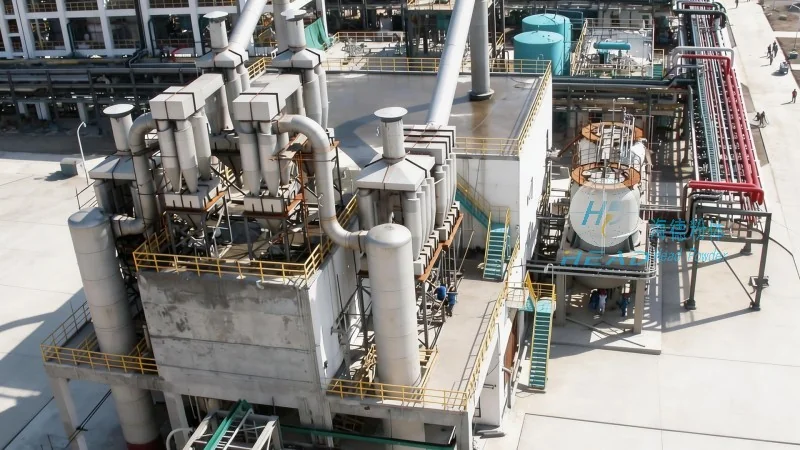
Company Overview: HeadPowder Engineering
HeadPowder Engineering, operating under the brand name headpowder, is a leading provider of specialized material handling solutions. With headquarters in Shandong, China, the company specializes in designing and manufacturing advanced conveying systems tailored to the needs of various industries, including chemical processing, pharmaceuticals, and specialty materials. Their expertise lies in optimizing material flow, ensuring product integrity, and enhancing overall operational efficiency for powders such as chromium(III) oxide.
Positive Pressure Conveying: Principles and Applications
Positive pressure conveying, also known as pressure conveying, operates by forcing air or gas through a pipeline at a pressure higher than the ambient atmosphere. This method is particularly effective for transporting powders over long distances or through complex system layouts. In the context of chromium(III) oxide, positive pressure systems typically use compressed air or a carrier gas to create a positive pressure differential that propels the powder particles. The system consists of a blower, a hopper with a feeder, and a pipeline network leading to the discharge point. The pressure ensures that the powder is continuously moved, minimizing the risk of clogging and ensuring consistent flow rates.
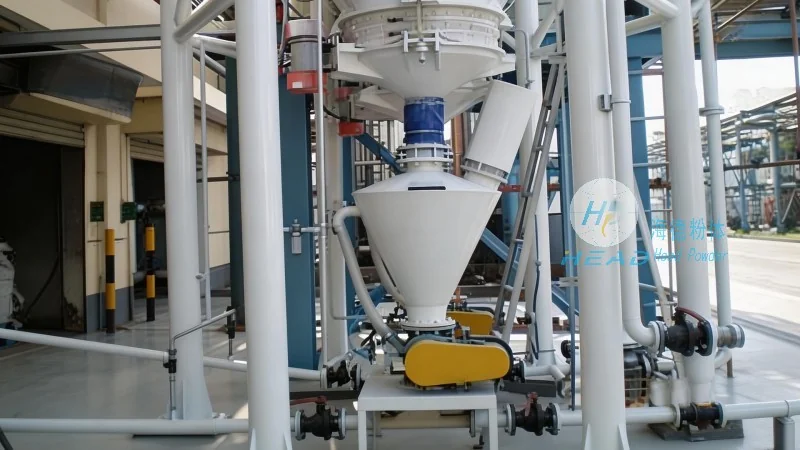
One of the key advantages of positive pressure conveying is its ability to handle abrasive or corrosive materials without significant wear on the system components. For chromium(III) oxide, which may have a tendency to agglomerate or be sensitive to moisture, the positive pressure system can maintain a dry, controlled environment, preserving the material's quality. Additionally, positive pressure systems are generally more energy-efficient for longer conveying distances, as the pressure can be maintained throughout the entire pipeline without the need for multiple boosters.
Negative Pressure Conveying: Principles and Applications
Negative pressure conveying, or vacuum conveying, works by creating a vacuum in the pipeline, causing ambient air to be drawn into the system and carrying the powder particles along. This method is often preferred for shorter conveying distances or when the material needs to be collected from multiple sources. The system includes a vacuum pump, a hopper with a feeder, and a collection point where the powder is discharged. The vacuum is maintained by the pump, which pulls air and powder particles through the pipeline to the discharge point.
A major advantage of negative pressure conveying is its gentleness on the material being transported. Since the powder is drawn rather than pushed, there is less risk of particle degradation or damage, which is particularly important for sensitive materials like chromium(III) oxide. The system also allows for the collection of powders from multiple points, as the vacuum can be applied to different hoppers simultaneously. However, negative pressure systems are generally less efficient for long distances due to the energy required to maintain the vacuum and the potential for higher air leakage, which can affect material flow consistency.
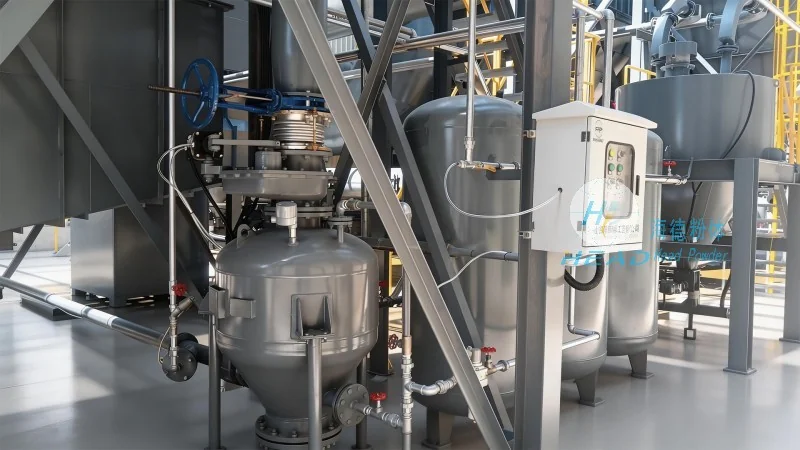
Performance Comparison: Key Metrics and Factors
When comparing positive and negative pressure conveying for chromium(III) oxide, several performance metrics and operational factors come into play. The first is the conveying distance and system layout. Positive pressure systems are better suited for longer distances, as the pressure can be maintained without significant loss. Negative pressure systems are more suitable for shorter distances or when the material needs to be collected from multiple sources.
Another critical factor is the material's properties. Chromium(III) oxide is a fine powder that can be prone to agglomeration and moisture sensitivity. Positive pressure systems, with their controlled environment and continuous flow, are better at preventing agglomeration and maintaining dryness. Negative pressure systems, while gentler, may require additional drying or anti-caking measures to ensure consistent performance.
Energy consumption is also a significant consideration. Positive pressure systems typically consume less energy for long distances, as the pressure is maintained by a single or few boosters. Negative pressure systems, on the other hand, require continuous vacuum maintenance, which can be more energy-intensive, especially for longer pipelines.
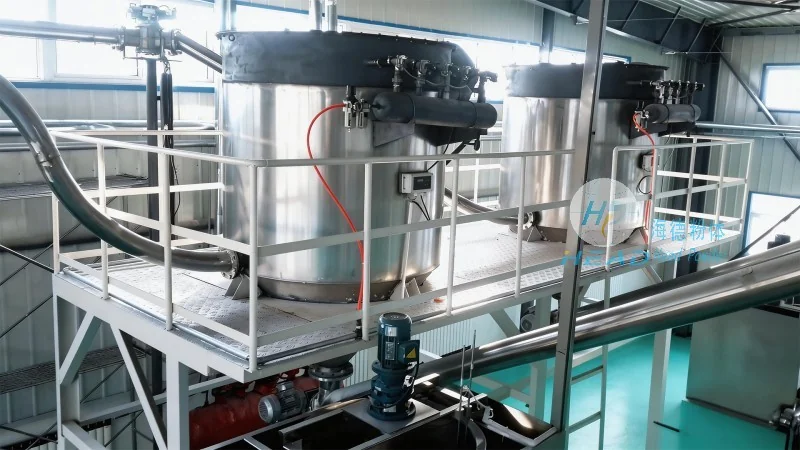
System complexity and maintenance are additional factors. Positive pressure systems often have more components, such as blowers and pressure regulators, which may require more frequent maintenance. Negative pressure systems, with their simpler vacuum pump setup, may have lower maintenance requirements but can be more susceptible to air leakage, which affects performance.
Conclusion: Choosing the Right Conveying Method
Ultimately, the choice between positive pressure and negative pressure conveying for chromium(III) oxide depends on the specific application requirements, including distance, material properties, and operational constraints. Positive pressure conveying offers advantages in efficiency, control, and suitability for longer distances, while negative pressure conveying excels in gentleness and multi-source collection. Companies like HeadPowder Engineering provide tailored solutions that consider these factors, ensuring optimal performance and material integrity. By understanding the principles and performance characteristics of each method, operators can select the most appropriate conveying system for their chromium(III) oxide handling needs, enhancing productivity and maintaining product quality.