

Types, Features, and Applications of Clay Dust Pneumatic Conveying Systems
Clay dust, a ubiquitous material in industries such as ceramics, construction, and manufacturing, demands reliable and efficient transportation methods. Pneumatic conveying systems have emerged as a preferred solution for handling clay dust due to their ability to move material through pipes using air pressure or vacuum. This article delves into the various types of clay dust pneumatic conveying systems, highlighting their distinct characteristics and the specific applications where they excel. By understanding these aspects, industries can select the most suitable system to optimize their material handling processes.
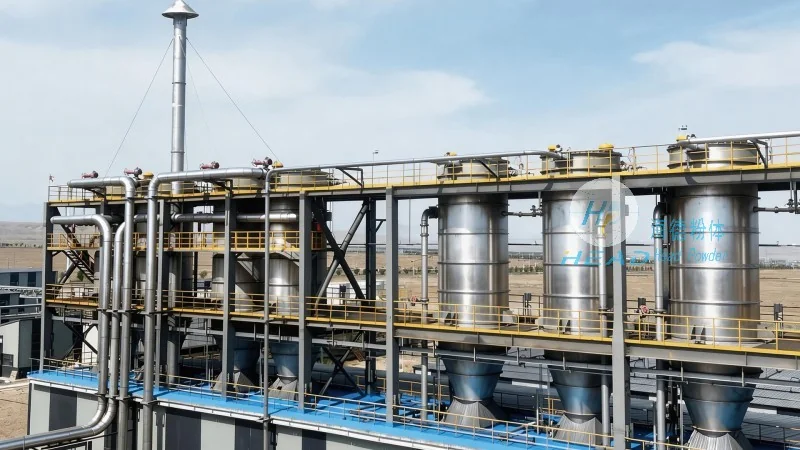
Types of Clay Dust Pneumatic Conveying Systems
Pneumatic conveying systems for clay dust are categorized based on the method of air flow and the direction of material movement. The primary types include vacuum (suction) conveying, pressure (blow) conveying, and combined vacuum and pressure systems. Each type offers unique advantages tailored to different operational requirements.
1. **Vacuum Conveying Systems**: These systems use a vacuum to draw clay dust from a source, such as a hopper or storage bin, and transport it through a pipeline to a destination. Vacuum conveyors are ideal for applications where the material needs to be moved over short to medium distances and where the source is at a lower elevation than the destination. They are commonly used in environments where dust containment is critical, as the system operates under negative pressure, preventing dust from escaping into the workspace.
2. **Pressure Conveying Systems**: In contrast to vacuum systems, pressure conveyors use compressed air to push clay dust through the pipeline. This method is suitable for longer distances and when the material needs to be moved from a lower to a higher elevation. Pressure systems are often preferred in applications where the material is abrasive or has a high moisture content, as the higher air pressure helps maintain flow and prevents clogging.
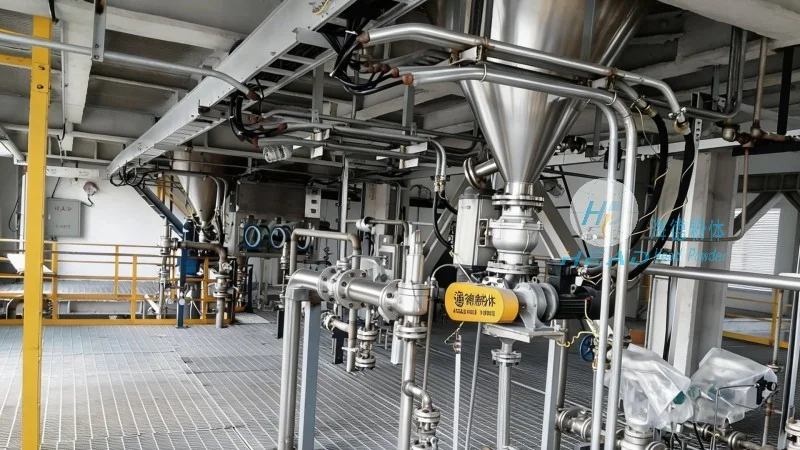
3. **Combined Vacuum and Pressure Systems**: These systems integrate both vacuum and pressure capabilities, offering flexibility for complex material handling tasks. A vacuum section may be used to draw material from a source, while a pressure section transports it to a processing unit or storage area. This hybrid approach is particularly effective in scenarios where the material must be moved over varying distances or through multiple stages of processing.
Key Features of Clay Dust Pneumatic Conveying Systems
Regardless of the type, modern clay dust pneumatic conveying systems share several key features that enhance their performance and reliability. These features include:
1. **Sealless Design**: Many systems employ a sealless design, which eliminates the need for mechanical seals that can wear out over time. This reduces maintenance requirements and minimizes the risk of leaks, ensuring consistent air pressure and material flow.
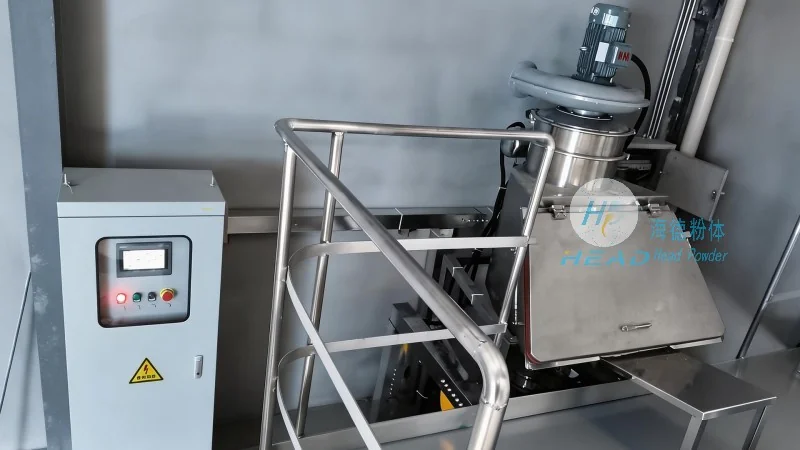
2. **Low Maintenance**: Pneumatic conveying systems are generally low-maintenance compared to mechanical conveyors. The absence of moving parts in the pipeline reduces wear and tear, and the use of durable materials, such as stainless steel or high-grade plastic, extends the system's lifespan.
3. **Flexible Layout**: These systems can be easily reconfigured or expanded to accommodate changes in production processes or facility layout. The modular design allows for the addition of new sections or branches without disrupting the entire operation.
4. **Dust Control**: Effective dust containment is a critical feature, especially in environments where air quality and worker safety are paramount. Vacuum systems, in particular, excel at capturing dust at the source, preventing it from dispersing into the air and creating health hazards or operational issues.
5. **Energy Efficiency**: Advanced systems incorporate energy-saving technologies, such as variable frequency drives (VFDs), which adjust air pressure and flow rates based on the material's characteristics and system demand. This optimization reduces energy consumption and operational costs.
Common Applications of Clay Dust Pneumatic Conveying Systems
Clay dust pneumatic conveying systems are widely used across various industries due to their versatility and efficiency. Some of the most common applications include:
1. **Ceramic Manufacturing**: In the ceramics industry, clay dust is a byproduct of raw material processing. Pneumatic conveying systems are used to transport clay from storage silos to mixing and molding equipment, ensuring a consistent supply of material for production.
2. **Construction Materials Production**: For companies producing cement, concrete, or other building materials, clay dust is often generated during the processing of raw materials. Pneumatic systems efficiently move this dust from grinding mills or storage areas to blending or packaging facilities.