

Types, Characteristics, and Application Ranges of Talc Powder Pneumatic Conveying
Understanding the various types, key characteristics, and practical applications of talc powder pneumatic conveying systems is crucial for industries that rely on efficient material handling. This article provides a comprehensive overview, focusing on the technical aspects and operational benefits of different pneumatic conveying methods tailored for talc powder transportation.
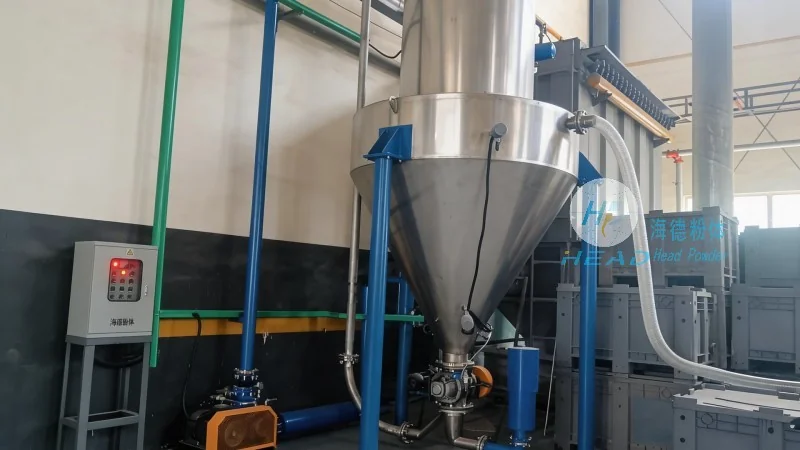
About Shandong HeadPowder Engineering Co., Ltd.
As a leading manufacturer in the field, Shandong HeadPowder Engineering Co., Ltd. specializes in providing advanced pneumatic conveying solutions for various industrial applications. With a strong commitment to quality and innovation, the company has established itself as a trusted partner for businesses seeking reliable and efficient talc powder handling systems. HeadPowder, the company's brand, offers a range of products designed to meet the specific needs of different industries, ensuring optimal performance and durability in demanding environments.
Types of Talc Powder Pneumatic Conveying
Talc powder pneumatic conveying systems can be categorized into several types based on their operational principles and design. The primary types include positive pressure systems, negative pressure (vacuum) systems, and hybrid systems. Each type has distinct characteristics that make it suitable for different scenarios.
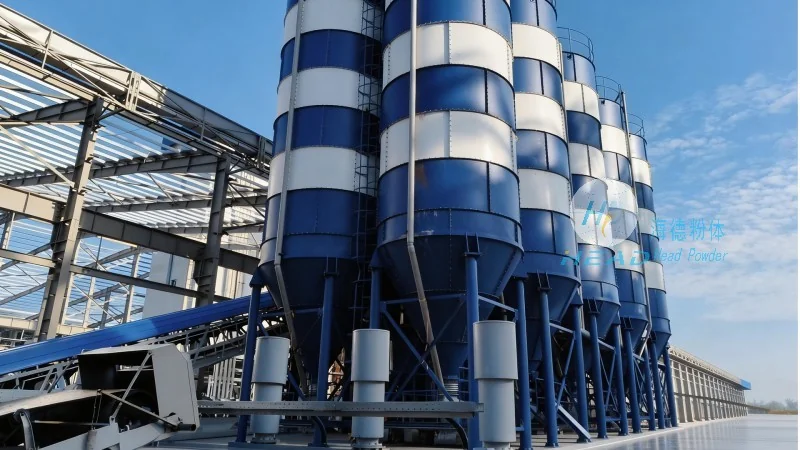
Positive pressure systems, also known as pressure pneumatic conveying, operate by forcing air and talc powder through a pipeline under pressure. This method is ideal for long-distance and high-capacity transportation, as it can handle larger quantities of material with less pressure drop. The system typically uses a blower or compressor to generate the necessary pressure, ensuring consistent flow and preventing material degradation. Positive pressure systems are commonly used in industries such as mining, chemicals, and food processing, where large volumes of talc powder need to be transported over significant distances.
Negative pressure systems, or vacuum pneumatic conveying, work by creating a vacuum in the pipeline to draw talc powder from the source into the system. This approach is suitable for applications requiring the transport of material from multiple points or over shorter distances. The vacuum system uses a fan or vacuum pump to create the pressure differential, allowing for gentle handling of the powder and minimizing product contamination. Negative pressure systems are often preferred in industries like pharmaceuticals and cosmetics, where product purity and gentle handling are critical. They are also effective for conveying talc powder from silos or storage bins to processing units.
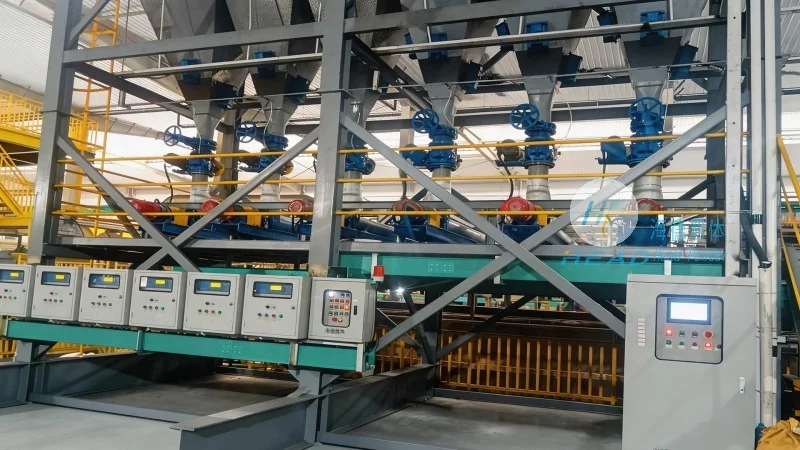
Hybrid systems combine elements of both positive and negative pressure methods, offering flexibility in handling different material characteristics and operational requirements. These systems can switch between pressure and vacuum modes as needed, providing a versatile solution for complex conveying tasks. Hybrid pneumatic conveying is particularly useful in applications where the material needs to be transported over varying distances or through different types of equipment. By integrating both pressure and vacuum capabilities, hybrid systems can optimize energy consumption and improve overall efficiency, making them a popular choice for modern industrial operations.
Key Features and Advantages of Talc Powder Pneumatic Conveying
The advantages of pneumatic conveying for talc powder transportation are numerous and significant. One of the primary benefits is the ability to handle fine powders without the need for mechanical components like screws or belts, which can cause wear and tear or contamination. The air-driven system ensures that the talc powder remains in a dry and clean state throughout the conveying process, preserving its quality and reducing the risk of caking or agglomeration. This is particularly important for talc powder, which is often used in applications where purity and consistency are essential, such as in cosmetics, plastics, and pharmaceuticals.
Another key feature is the flexibility of pneumatic conveying systems. They can be easily integrated into existing production lines or modified to accommodate changes in material flow rates or processing requirements. The modular design allows for scalability, enabling businesses to expand their conveying capacity as their operations grow. Additionally, pneumatic systems are relatively low maintenance compared to traditional mechanical conveying methods, as they have fewer moving parts and require less frequent servicing. This reduces downtime and operational costs, making them a cost-effective solution for long-term use.
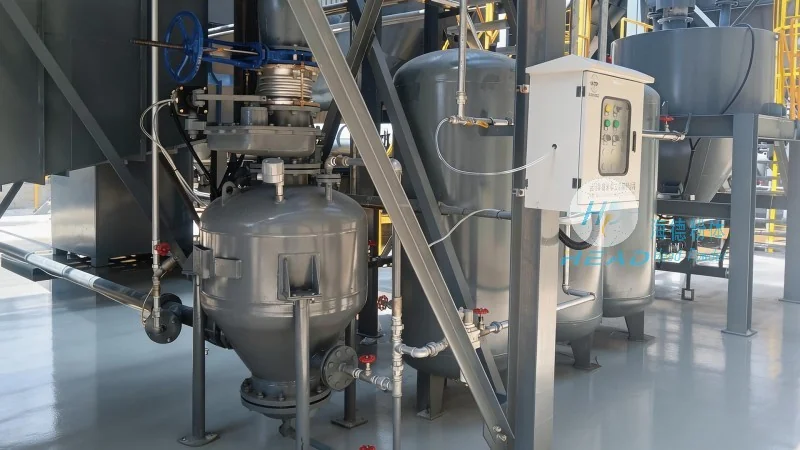
Efficiency is another critical aspect of talc powder pneumatic conveying. The system can transport material quickly and reliably, minimizing the time required for material handling and improving overall production throughput. The use of compressed air as the driving force allows for precise control over the flow rate, ensuring that the talc powder is delivered to the destination at the desired speed and volume. This level of control is essential for maintaining consistent product quality and meeting production schedules. Furthermore, pneumatic conveying systems can handle a wide range of talc powder characteristics, including different particle sizes, moisture contents, and bulk densities, without compromising performance.
Application Ranges of Talc Powder Pneumatic Conveying
Talc powder pneumatic conveying systems find applications in a variety of industries due to their versatility and efficiency. In the cosmetics industry, talc powder is used as a base ingredient in powders, lotions, and creams. Pneumatic conveying ensures that the talc powder is transported to production lines without any contamination, maintaining the high standards required for cosmetic products. The gentle handling of the powder prevents clumping, which is crucial for achieving a smooth and consistent texture in final products.